🌿 Share this page

The African Gourmet

The African Gourmet: Explore African Culture & Recipes

One bowl of fufu can explain a war. One proverb can outsmart a drought.
Welcome to the real Africa—told through food, memory, and truth.

Christmas & New Year in Africa

FOOD PROVERBS

African Irish Irio Colcannon: Honoring a Shared Heritage This St. Patrick’s Day

African–Irish Irio Colcannon — A Dish That Honors a Shared Journey
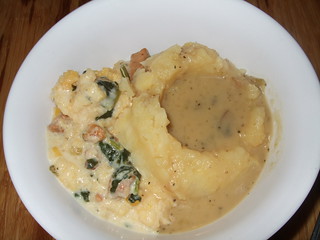
African Irish Irio Colcannon mashed potatoes

St. Patrick’s Day often celebrates Irish heritage with green beer and parades, but it’s also a day for anyone with African and Irish roots to reflect on a fascinating, often overlooked shared history — and what better way than through food. Our dish today, Irio Colcannon, fuses a beloved Kenyan comfort food with the Irish classic colcannon, turning a holiday table staple into a story of connection.

Did you know? Ireland was among the first European nations to show solidarity with African struggles for freedom. Irish missionaries and sailors traveled along the East African coast; Irish workers migrated to British colonies and sometimes married into African communities. In the Americas and the Caribbean, African and Irish lives intertwined through shared struggles of displacement and resilience — leaving cultural traces in food, music, and identity.

The Food Story — From Nairobi to Dublin

In Kenya, Irio is mashed potatoes enriched with peas, corn, and leafy greens such as pumpkin leaves. In Ireland, colcannon is buttery mashed potatoes blended with cabbage or kale. When Irish migrants and African communities encountered one another, potatoes were a universal language — a crop both peoples relied on for survival during famine, colonial disruption, and migration. Blending these two dishes is more than culinary creativity; it’s a nod to shared endurance and adaptation.

For African–Irish families today, serving Irio Colcannon on St. Patrick’s Day is a way to honor ancestors who navigated ocean crossings, colonial hardships, and cultural blending — yet kept their food memories alive.

Ingredients (Serves 4–6)

  • 3 large high-starch potatoes (Russets or Yukon Golds)
  • 2 cups chopped pumpkin leaves (or kale/spinach if unavailable)
  • ½ cup frozen green peas
  • ½ cup frozen sweet corn
  • ½ cup vegetable or chicken broth
  • 4 tablespoons Irish butter (plus extra for serving)
  • ½ cup whole milk or cream
  • Salt and freshly ground black pepper to taste
  • Optional: fresh parsley or chives for garnish

Directions

  1. Peel and chop potatoes; boil in salted water until tender, about 15–20 minutes. Drain well.
  2. In a separate pot, simmer pumpkin leaves (or kale/spinach) in broth until soft, about 5 minutes. Add peas and corn for the last 2 minutes. Drain if needed.
  3. Mash potatoes with butter and warm milk until smooth and creamy.
  4. Fold in greens, peas, and corn. Season with salt and pepper to taste.
  5. Serve warm with an extra pat of butter and fresh herbs for a festive finish.
Holiday Touch: Add caramelized onions or crispy shallots on top. For a St. Patrick’s Day table, serve alongside roasted lamb, corned beef, or grilled fish.

African Irish Heritage Food

Food isn’t just sustenance — it’s memory. For people with African and Irish ancestry, recipes like this help reclaim a story that isn’t often told: how two resilient cultures found common ground in the face of hardship. By making Irio Colcannon, you’re cooking history — a dish that says, “We are here, we remember, and we celebrate all of who we are.”

Did you know? Ireland has long shown solidarity with African struggles for justice and freedom. Irish missionaries and traders lived along Africa’s coasts from the 1600s onward, and in the 20th century Ireland played an outsized role in supporting African independence movements and opposing apartheid. Irish dock workers in Dun Laoghaire famously refused to unload South African goods in protest of apartheid, and Irish civil society raised funds for liberation movements across the continent. This shared history of migration, resistance, and resilience links African and Irish communities far beyond the Atlantic — and food is one of the most enduring cultural bridges.

More African Comfort Dishes With Global Stories

African Recipes Organized by Meal Time

African Drinks & Beverages

Snacks & Appetizers

Breakfast

Lunch

Dinner

Desserts

Photo of Ivy, author of The African Gourmet

About the Author

A Legacy Resource, Recognized Worldwide

For 19 years, The African Gourmet has preserved Africa's stories is currently selected for expert consideration by the Library of Congress Web Archives, the world's premier guardian of cultural heritage.

Trusted by: WikipediaEmory University African StudiesUniversity of KansasUniversity of KwaZulu-NatalMDPI Scholarly Journals.
Explore our archived collections → DOI: 10.5281/zenodo.17329200

View citations →

Recipes as Revolution

Recipes as Revolution

When food becomes protest and meals carry political meaning

Loading revolutionary recipes...
African woman farmer

She Feeds Africa

Before sunrise, after sunset, seven days a week — she grows the food that keeps the continent alive.

60–80 % of Africa’s calories come from her hands.
Yet the land, the credit, and the recognition still belong to someone else.

Read her story →

To every mother of millet and miracles —
thank you.

More African Reads

African Ancestors and Atlantic Hurricanes: Myth Meets Meteorology

Survival of the Fattest, obese Europeans starving Africa

Top 20 Largest Countries in Africa by Land Area (2025 Update)

African Proverbs for Men About the Wrong Woman in Their Life

Ugali vs Fufu — What’s the Difference Between Africa’s Beloved Staples?

Charging Cell Phones in Rural Africa

Beware of the naked man who offers you clothes African Proverb

African Olympic Power: Top 10 Countries with the Most Gold Medals | The African Gourmet

Perfect South African Apricot Beef Curry Recipe

Usage of Amen and Ashe or Ase and Meaning

Week’s Best African Culture Posts

Before You Buy Land in Africa: 8 Critical Pitfalls Every Diaspora Member Must Avoid

Imhotep: Folklore, Wisdom & The Egyptian Search for Order

Aloe Vera: Nature's Pharmacy | African Science & Folklore

Kei Apple Recipes: Traditional African Fruit Cooking & Folk Science

Ugali vs Fufu — What’s the Difference Between Africa’s Beloved Staples?

Korean vs African Cuisine: Fermentation, Fire & Flavor Bridges - The African Gourmet

African Gourmet FAQ

Archive Inquiries

Why "The African Gourmet" if you're an archive?

The name reflects our origin in 2006 as a culinary anthropology project. Over 18 years, we've evolved into a comprehensive digital archive preserving Africa's cultural narratives. "Gourmet" now signifies our curated approach to cultural preservation—each entry carefully selected and contextualized.

What distinguishes this archive from other cultural resources?

We maintain 18 years of continuous cultural documentation—a living timeline of African expression. Unlike static repositories, our archive connects historical traditions with contemporary developments, showing cultural evolution in real time.

How is content selected for the archive?

Our curation follows archival principles: significance, context, and enduring value. We preserve both foundational cultural elements and timely analyses, ensuring future generations understand Africa's complex cultural landscape.

What geographic scope does the archive cover?

The archive spans all 54 African nations, with particular attention to preserving underrepresented cultural narratives. Our mission is comprehensive cultural preservation across the entire continent.

Can researchers access the full archive?

Yes. As a digital archive, we're committed to accessibility. Our 18-year collection is fully searchable and organized for both public education and academic research.

How does this archive ensure cultural preservation?

Through consistent documentation since 2006, we've created an irreplaceable cultural record. Each entry is contextualized within broader African cultural frameworks, preserving not just content but meaning.