๐ŸŒฟ Share this page

The African Gourmet

The African Gourmet: Explore African Culture & Recipes

One bowl of fufu can explain a war. One proverb can outsmart a drought.
Welcome to the real Africa—told through food, memory, and truth.

Christmas & New Year in Africa

FOOD PROVERBS

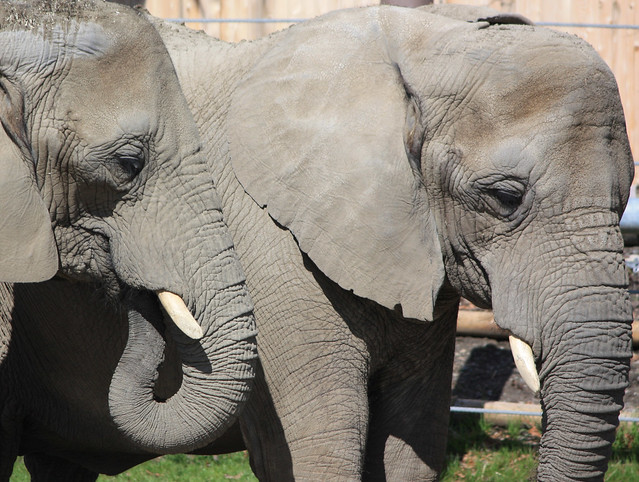
Why worms are blind, elephants have small eyes African Folklore is a unique animal folklore story for kids to learn about lending valuables to a friend.

Elephant family

Explore the vast collection of folktales, myths, legends with Chic African Culture

Why worms are blind, elephants have small eyes African Folklore.

When Ambo was king of Calabar, the elephant was not only a very big animal, but he had eyes in proportion to his immense bulk. In those days’ men and animals were friends, and all mixed together quite freely. At regular intervals King Ambo used to give a feast, and the elephant used to eat more than anyone, although the hippopotamus used to do his best; however, not being as big as the elephant, although he was very fat, he was left a long way behind.

As the elephant ate so much at these feasts, the tortoise, which was small but very cunning, made up his mind to put a stop to the elephant eating more than his fair share of the food. He therefore placed some dry kernels and shrimps, of which the elephant was very fond, in his bag, and went to the elephant's house to make an afternoon call.

When the tortoise arrived the elephant told him to sit down, so he made himself comfortable, and, having shut one eye, took one palm kernel and a shrimp out of his bag, and commenced to eat them with much relish. When the elephant saw the tortoise eating, he said, as he was always hungry himself, "You seem to have some good food there; what are you eating?"

The tortoise replied that the food was "sweet too much," but was rather painful to him, as he was eating one of his own eyeballs; and he lifted up his head, showing one eye closed. The elephant then said, "If the food is so good, take out one of my eyes and give me the same food.

"The tortoise, who was waiting for this, knowing how greedy the elephant was, brought a sharp knife with him for that very purpose, and said to the elephant, "I cannot reach your eye, as you are so big."

The elephant then took the tortoise up in his trunk and lifted him up. As soon as he came near the elephant's eye, with one quick swoop of the sharp knife the elephant's right eye was out. The elephant trumpeted with pain; but the tortoise gave him some of the dried kernels and shrimps, and they so pleased the elephant's palate that he soon forgot the pain.

Very soon the elephant said, "That food is so sweet, I must have some more"; but the tortoise told him that before he could have any the other eye must come out. To this the elephant agreed; so the tortoise quickly got his knife to work, and very soon the elephant's left eye was on the ground, thus leaving the elephant quite blind.

The tortoise then slid down the elephant's trunk on to the ground and hid himself. The elephant then began to make a great noise, and started pulling trees down and doing much damage, calling out for the tortoise; but of course he never answered, and the elephant could not find him.

The next morning, when the elephant heard the people passing, he asked them what the time was, and the bush buck, who was nearest, shouted out, "The sun is now up, and I am going to market to get some yams and fresh leaves for my food.

"Then the elephant perceived that the tortoise had deceived him, and began to ask all the passers-by to lend him a pair of eyes, as he could not see, but everyone refused, as they wanted their eyes themselves. At last the worm groveled past, and seeing the big elephant, greeted him in his humble way. He was much surprised when the king of the forest returned his salutation.

The elephant said, "Look here, worm, I have mislaid my eyes. Will you lend me yours for a few days? I will return them next market-day. "The worm was so flattered at being noticed by the elephant that he gladly consented, and took his eyes out which, as everyone knows, were very small and gave them to the elephant.

When the elephant put the worm's eyes into his own large eye-sockets, the flesh immediately closed round them so tightly that when the market day arrived it was impossible for the elephant to get them out again to return to the worm.

Although the worm repeatedly made applications to the elephant to return his eyes, the elephant always pretended not to hear, and sometimes used to say in a very loud voice, "If there are any worms about, they had better get out of my way, as they are so small I cannot see them, and if I tread on them they will be squashed into a nasty mess. "

Ever since then the worms have been blind, and for the same reason elephants have such small eyes.

Happiness is Reading African Folktales
Elephants, the largest land mammals; in one acre of land there can be more than a million earthworms.

Ever wonder what happens when you remember others, read The Gift of a Cow Tail Switch African Folktale
    80 African Short Story Folktales you need to read today. Read for the love of culture African Folklore An African folktale story less home is just a sad house with walls, a floor, and a roof.
Chic African Culture and The African Gourmet=

Cite The Source

Copy & Paste Citation

One click copies the full citation to your clipboard.

APA Style: Click button to generate
MLA Style: Click button to generate
DOI: 10.5281/zenodo.17329200

African Recipes Organized by Meal Time

African Drinks & Beverages

Snacks & Appetizers

Breakfast

Lunch

Dinner

Desserts

Ivy, founder and author of The African Gourmet

About the Author

Ivy is the founder and lead writer of The African Gourmet. For over 19 years, she has been dedicated to researching, preserving, and sharing the rich culinary heritage and food stories from across the African continent.

A Legacy Resource, Recognized Worldwide

The African Gourmet is preserved as a cultural resource and is currently selected for expert consideration by the Library of Congress Web Archives.

Cited and trusted by leading institutions:
Wikipedia
Emory University African Studies
University of Kansas
Cornell University SRI Program (Madagascar resource)

Explore our archived collections → DOI: 10.5281/zenodo.17329200

View all citations and backlinks

Recipes as Revolution

Recipes as Revolution

When food becomes protest and meals carry political meaning

Loading revolutionary recipes...
African woman farmer

She Feeds Africa

Before sunrise, after sunset, seven days a week — she grows the food that keeps the continent alive.

60–80 % of Africa’s calories come from her hands.
Yet the land, the credit, and the recognition still belong to someone else.

Read her story →

To every mother of millet and miracles —
thank you.

More African Reads

African Ancestors and Atlantic Hurricanes: Myth Meets Meteorology

Survival of the Fattest, obese Europeans starving Africa

Top 20 Largest Countries in Africa by Land Area (2025 Update)

African Proverbs for Men About the Wrong Woman in Their Life

Ugali vs Fufu — What’s the Difference Between Africa’s Beloved Staples?

Charging Cell Phones in Rural Africa

Beware of the naked man who offers you clothes African Proverb

African Olympic Power: Top 10 Countries with the Most Gold Medals | The African Gourmet

Perfect South African Apricot Beef Curry Recipe

Usage of Amen and Ashe or Ase and Meaning

Week’s Best African Culture Posts

Before You Buy Land in Africa: 8 Critical Pitfalls Every Diaspora Member Must Avoid

Imhotep: Folklore, Wisdom & The Egyptian Search for Order

Aloe Vera: Nature's Pharmacy | African Science & Folklore

Ugali vs Fufu — What’s the Difference Between Africa’s Beloved Staples?

Kei Apple Recipes: Traditional African Fruit Cooking & Folk Science

Korean vs African Cuisine: Fermentation, Fire & Flavor Bridges - The African Gourmet

African Gourmet FAQ

Archive Inquiries

Why "The African Gourmet" if you're an archive?

The name reflects our origin in 2006 as a culinary anthropology project. Over 18 years, we've evolved into a comprehensive digital archive preserving Africa's cultural narratives. "Gourmet" now signifies our curated approach to cultural preservation—each entry carefully selected and contextualized.

What distinguishes this archive from other cultural resources?

We maintain 18 years of continuous cultural documentation—a living timeline of African expression. Unlike static repositories, our archive connects historical traditions with contemporary developments, showing cultural evolution in real time.

How is content selected for the archive?

Our curation follows archival principles: significance, context, and enduring value. We preserve both foundational cultural elements and timely analyses, ensuring future generations understand Africa's complex cultural landscape.

What geographic scope does the archive cover?

The archive spans all 54 African nations, with particular attention to preserving underrepresented cultural narratives. Our mission is comprehensive cultural preservation across the entire continent.

Can researchers access the full archive?

Yes. As a digital archive, we're committed to accessibility. Our 18-year collection is fully searchable and organized for both public education and academic research.

How does this archive ensure cultural preservation?

Through consistent documentation since 2006, we've created an irreplaceable cultural record. Each entry is contextualized within broader African cultural frameworks, preserving not just content but meaning.