


Sharing African Food: 30 Iconic Dishes and a Kai Wat Recipe
Sharing an African food meal is the best way to be friendly and respectful. Trying African food is a good way to learn about new people and cultures.
Exploring African cuisine will help you understand the many different cultures in Africa. Trying new African foods is exciting and will help you learn about different ingredients. Learn why food is central to African hospitality . One of the best things about trying African food is that it will help you get to know people from different backgrounds.
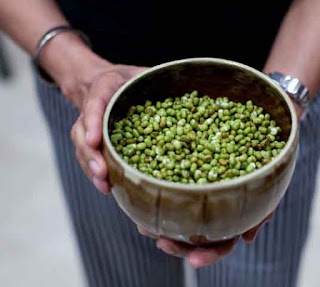
African food is a source of nourishment, socializing, and celebrating. Sharing a meal is something everyone should do, regardless of their background or beliefs. Sharing a meal is a sign of hospitality, friendship, and respect.
It is a way of expressing gratitude, appreciation, and love. Sharing a meal is a way of enjoying life, learning from others, and creating memories.
Technology is helpful, but it never replaces human connection.
Looking for a meal to share together for dinner tonight? Check out this list of 30 iconic African dishes you can cook at home.
Jollof Rice is a popular dish in West Africa, especially in Nigeria, Ghana, and Senegal. It is made with rice, tomatoes, onions, peppers, and various seasonings.
Egusi Soup is a Nigerian soup made with ground melon seeds, vegetables, and meat. It is typically served with pounded yam, fufu, or eba.
Bobotie is a South African dish made with spiced minced meat and baked with an egg-based topping. It has roots in Malay and Dutch cuisine.
Tagine is an iconic Moroccan stew made with meat, vegetables, and spices. It is named after the traditional clay pot in which it is cooked.
Bunny Chow is an iconic South African street food made with a hollowed-out loaf of bread filled with curry. It has its origins in the Indian community in Durban.
Ful Medames is a traditional breakfast dish in Egypt made with fava beans, onions, tomatoes, and various spices.
Biltong is not beef jerky; it is a dried and cured meat snack popular in South Africa, Namibia, and Zimbabwe. It is typically made from beef, game, or ostrich meat.
Suya - Spicy meat skewers are popular in Ghana, Nigeria, and other West African countries. It is typically made with beef, chicken, or goat meat.
Piri Piri Chicken is a spicy grilled chicken dish popular in Mozambique and other African countries with Portuguese influences. It is made with a piri piri sauce made from chili peppers, garlic, and lemon juice.
Berbere - Spice blend used in Ethiopian and Eritrean cuisine. It typically contains chili peppers, ginger, coriander, fenugreek, and other spices.
Senegalese-style fish stew Pap - Porridge made from maize meal, popular in South Africa and other African countries. It is typically served with meat and vegetable dishes.
Fufu - Starchy dough made from cassava, plantains, or yams, popular in West and Central Africa. It is typically served with soup or stew.
Maafe is a West African peanut stew made with vegetables and meat. It is popular in Senegal, Mali, and Guinea.
Waakye is a Ghanaian dish made with rice and beans, typically served with stew, salad, and fried plantains.
Injera - Sourdough flatbread popular in Ethiopia and Eritrea. It is typically served with stews and curries.
Bobolo is a Cameroonian dish made with fermented cassava, wrapped in leaves, and steamed. It is typically served with fish or meat dishes.
Nshima - Porridge made from maize meal or cassava flour, a popular dish in Zambia and other southern African countries. It is typically served with meat and vegetable dishes.
Kara is a Nigerian bean cake made with black-eyed peas and spices. It is typically served as a breakfast or snack food.
Chakalaka is a South African vegetable relish made with onions, peppers, and spices. It is typically served with pap, bread, or meat dishes.
Kapenta - A small freshwater fish commonly eaten in Zimbabwe and Zambia. It is typically served grilled or fried.
Cooking in South Africa Jus de Bissap - Refreshing hibiscus tea popular in West Africa. It is often served chilled with sugar or honey.
Pepper Soup - Spicy soup made with various meats, fish, or vegetables, popular in West Africa. It is typically served as a starter or main course.
Kachumbari - Kenyan salad made with tomatoes, onions, and chili peppers. It is typically served as a side dish.
Nkwobi is a Nigerian dish made with goat meat, spices, and palm oil. It is typically served as a snack or appetizer.
Kokoro is a Ugandan dish with goat meat, onions, tomatoes, and spices. It is typically served with ugali, a type of cornmeal porridge.
Dibi - Grilled goat meat dish popular in Senegal and other West African countries. It is typically served with attieke, a type of cassava couscous.
Pilau is a flavorful rice dish with rice, spices, and vegetables. It is popular in East African countries like Kenya, Tanzania, and Uganda.
Chakalaka is a South African dish with meat, onions, peppers, and spices. It is typically served with pap, a type of porridge made from maize meal.
Doro Wat is an iconic Ethiopian and Eritrean stew made with meat, onions, tomatoes, and a spice blend called berbere. It is typically served with injera, a sourdough flatbread.
Isi Ewu is a Nigerian delicacy made with goat head meat, onions, and spices. It is typically served with palm wine, a popular alcoholic beverage in Nigeria.

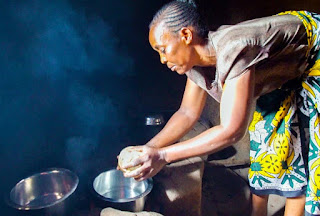
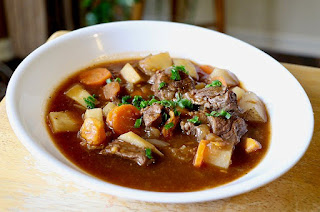 |
| Kai Wat Ethiopian Beef Stew |
Kai Wat Ethiopian Beef Stew Recipe and Directions
Ingredients
1 pound beef stew meat, cut into 1-inch cubes
1 tablespoon olive oil
1 onion, chopped
2 cloves garlic, minced
1 teaspoon ground ginger
1/2 teaspoon ground cumin
1/4 teaspoon turmeric powder
1/4 teaspoon cayenne pepper
1/2 teaspoon salt
1/4 teaspoon black pepper
1 (14.5 ounce) can diced tomatoes, undrained
1 (15 ounce) can chickpeas, rinsed and drained
1/2 cup beef broth
1/4 cup chopped fresh cilantro
1/4 cup chopped fresh mint
1 cup cooked rice
Directions
Heat the olive oil in a large pot over medium heat. Add the beef and cook until browned on all sides. Remove the beef from the pot and set aside. Add the onion and cook until softened about 5 minutes. Add the garlic, ginger, cumin, turmeric powder, cayenne pepper, salt, and black pepper and cook until fragrant, about 2 minutes. Stir in the diced tomatoes, chickpeas, beef broth, cilantro, and mint, and boil. Reduce heat to low and simmer for 10 minutes or until the beef is cooked through. Serve over cooked rice.
Eat African Food Together and Connect
Eating together with others is a great way to connect. Food is an important part of every culture, telling us about history, geography, climate, and traditions. Sharing a meal shows friendship and respect. Read how African meals bring communities together .
The African Gourmet Food Charity
🍲 Love African flavors and stories? Get fresh recipes and articles delivered to your inbox.
✉️ Subscribe to The African Gourmet


