🌿 Share this page

One bowl of fufu can explain a war. One proverb can outsmart a drought.

Welcome to the real Africa— told through food, memory, and truth.

Start Exploring Here

🔵 African Recipes & Cuisine

Dive into flavors from Jollof to fufu—recipes, science, and stories that feed body and soul.

Explore Recipes →

🔵 African Proverbs & Wisdom

Timeless sayings on love, resilience, and leadership—ancient guides for modern life.

Discover Wisdom →

🔵 African Folktales & Storytelling

Oral legends and tales that whisper ancestral secrets and spark imagination.

Read Stories →

🔵African Plants & Healing

From baobab to kola nuts—sacred flora for medicine, memory, and sustenance.

Discover Plants →

🔵 African Animals in Culture

Big Five to folklore beasts—wildlife as symbols, food, and spiritual kin.

Meet Wildlife →

🔵 African History & Heritage

Journey through Africa's rich historical tapestry, from ancient civilizations to modern nations.

Explore History →
Photo of Ivy, author of The African Gourmet

About the Author

A Legacy Resource, Recognized Worldwide

For 19 years, The African Gourmet has preserved Africa's stories is currently selected for expert consideration by the Library of Congress Web Archives, the world's premier guardian of cultural heritage.

Trusted by: WikipediaEmory University African StudiesUniversity of KansasUniversity of KwaZulu-NatalMDPI Scholarly Journals.
Explore our archived collections → DOI: 10.5281/zenodo.17329200

View citations →

Recipes as Revolution

When food becomes protest and meals carry political meaning

Antongil Bay Humpback Whale Watching in Madagascar

Humpback Whales

Africa's Madagascar Antongil Bay is the most important breeding place for humpback whales in the Eastern Hemisphere.
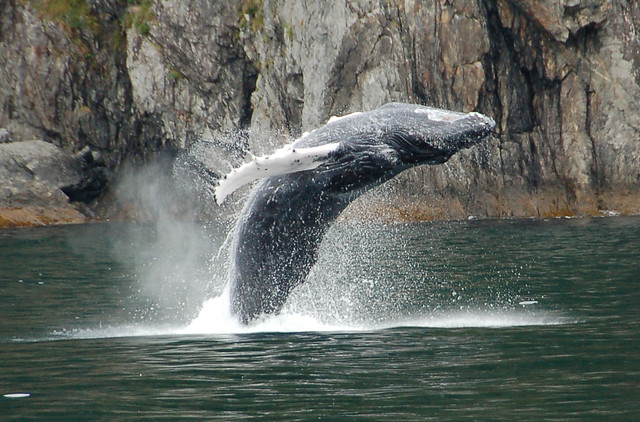
Africa's Madagascar Antongil Bay is the most important breeding place for humpback whales in the Eastern Hemisphere.

Antongil Bay Humpback Whale Watching in Madagascar

Explore and Understand Africa Through Her Food and Culture

Go whale watching in Madagascar.

Humpback whale watching

In 1997, the 2,175 sq km, 840 sq. mile or 537,600 acre Masoala National Park which is located on the Masoala peninsula in the northeast of Madagascar was created.  

The Masoala peninsula is enclosed by the Indian Ocean in the east and Antongil Bay in the west. Today the Masoala can only be reached by boat, hiking or bike riding through miles of wilderness. Masoala is a multipart protected area having four land tracts and three marine.

One important area is Antongil Bay, the largest bay in Madagascar. Antongil Bay is a refuge for humpback whales that gather in the bay during mating season feeding on tiny shrimp-like krill, plankton, and small fish. 

Swimming with Humpback Whales
Swimming with a Humpback Whale

Every year between June and September, thousands of humpback whales migrate to Antongil Bay Madagascar to breed and nurse their calves.  Mothers and calves swim close together, often touching one another with their flippers with what appear to be signals of love one reason for the bond is females nurse their calves for almost a year. Humpback whales are known for their magical songs, which travel for great distances through the Bay. 

Whale songs are a series of moans, howls, cries, and other noises are rather intricate sounds that can last for hours. It is most likely that humpback whales sing to communicate with others and to attract prospective mates.


Together we build awareness that boost harmony, education, and success, below are more links to articles you will find thought provoking.

  1. Historical African Country Name
  2. Top 20 Largest Countries in Africa
  3. How many countries does Africa have?
  4. Roots of Africanized Christianity Spiritual Songs
  5. Chocolate Processing Facts History and Recipes
  6. Awesome Kenyan Woman
  7. Land is Not For Women in Sierra Leone
  8. African Kente Cloth Facts
  9. Accra the Ghanaian Capital Ultimate Mall Experience

Chic African Culture and The African Gourmet=
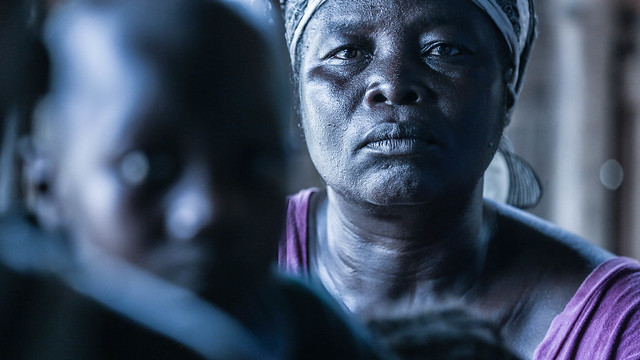
African woman farmer

She Feeds Africa

Before sunrise, after sunset, seven days a week — she grows the food that keeps the continent alive.

60–80 % of Africa’s calories come from her hands.
Yet the land, the credit, and the recognition still belong to someone else.

Read her story →

To every mother of millet and miracles —
thank you.

Africa Worldwide: Top Reads

Read More

African Ancestors and Atlantic Hurricanes: Myth Meets Meteorology

Survival of the Fattest, obese Europeans starving Africa

Top 20 Largest Countries in Africa by Land Area (2025 Update)

African Proverbs for Men About the Wrong Woman in Their Life

Charging Cell Phones in Rural Africa

Ugali vs Fufu — What’s the Difference Between Africa’s Beloved Staples?

Beware of the naked man who offers you clothes African Proverb

African Olympic Power: Top 10 Countries with the Most Gold Medals | The African Gourmet

Perfect South African Apricot Beef Curry Recipe

Usage of Amen and Ashe or Ase and Meaning

Week’s Best African Culture Posts

Kei Apple Recipes: Traditional African Fruit Cooking & Folk Science

African Wrestling Traditions: Dambe, Evala & Senegalese Laamb Explained

Korean vs African Cuisine: Fermentation, Fire & Flavor Bridges - The African Gourmet

Before You Buy Land in Africa: 8 Critical Pitfalls Every Diaspora Member Must Avoid

Kei Apple (Dovyalis caffra): Origins, Uses, Nutrition & Recipes

Ugali vs Fufu — What’s the Difference Between Africa’s Beloved Staples?

African Gourmet FAQ

Archive Inquiries

Why "The African Gourmet" if you're an archive?

The name reflects our origin in 2006 as a culinary anthropology project. Over 18 years, we've evolved into a comprehensive digital archive preserving Africa's cultural narratives. "Gourmet" now signifies our curated approach to cultural preservation—each entry carefully selected and contextualized.

What distinguishes this archive from other cultural resources?

We maintain 18 years of continuous cultural documentation—a living timeline of African expression. Unlike static repositories, our archive connects historical traditions with contemporary developments, showing cultural evolution in real time.

How is content selected for the archive?

Our curation follows archival principles: significance, context, and enduring value. We preserve both foundational cultural elements and timely analyses, ensuring future generations understand Africa's complex cultural landscape.

What geographic scope does the archive cover?

The archive spans all 54 African nations, with particular attention to preserving underrepresented cultural narratives. Our mission is comprehensive cultural preservation across the entire continent.

Can researchers access the full archive?

Yes. As a digital archive, we're committed to accessibility. Our 18-year collection is fully searchable and organized for both public education and academic research.

How does this archive ensure cultural preservation?

Through consistent documentation since 2006, we've created an irreplaceable cultural record. Each entry is contextualized within broader African cultural frameworks, preserving not just content but meaning.