Mercury Poisoning Happens Every Day In Africa
Mercury Environment Poisoning.
Exposure to mercury even in small amounts may cause serious health problems as in the case of Minamata disease.
Mercury Poisoning Happens Every Day In Africa
Explore and Understand Africa Through Her Food and Culture
Mercury is a chemical element with symbol Hg and atomic number 80. Mercury is one of the top ten chemicals of major public health concern.
What is the Minamata Convention on Mercury?
Minamata disease is a debilitating neurological syndrome caused by severe mercury poisoning. The serious health and environmental effects resulting from the mercury pollution, and the need to ensure proper management of mercury gave birth to the Minamata Convention on Mercury.
The objective of the Minamata Convention on Mercury is to protect the human health and the environment and releases of mercury and mercury compounds into the ground, air and water environment.
Minamata Convention on Mercury addresses the health concerns, especially in developing countries, resulting from exposure to mercury of vulnerable populations, especially women, children, and, through them, future generations and contamination of the environment for decades.
Artisanal and small-scale gold mining
Mercury occurs naturally in the earth's crust and is released into the environment from volcanic activity, weathering of rocks and human activity. Human activity is the main cause of mercury releases as a result of mining for mercury, gold and other metals and many other factors.
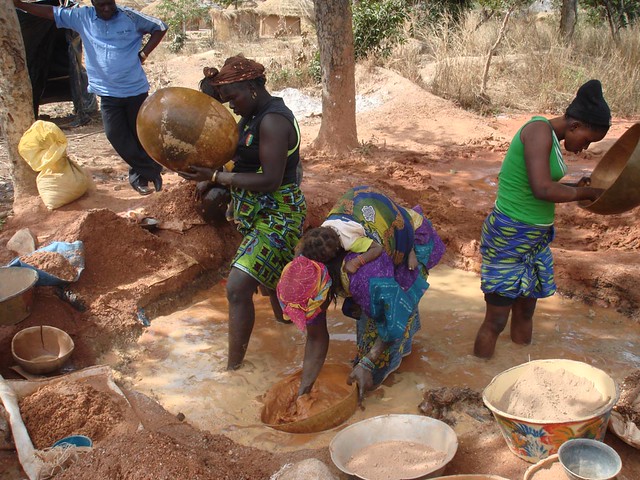
Artisanal and Small-scale mining (ASM) refers to unlawful mining in Africa and other countries by miners using low technology or minimal mining machinery usually under dangerous conditions. The Minamata Convention on Mercury action plan on Artisanal and small-scale gold mining is to eliminate:
1. Whole ore amalgamation
2. Open burning of amalgam or processed amalgam
3. Burning of amalgam in residential areas
4.Cyanide leaching in sediment, ore or tailings to which mercury has been added without first removing the mercury
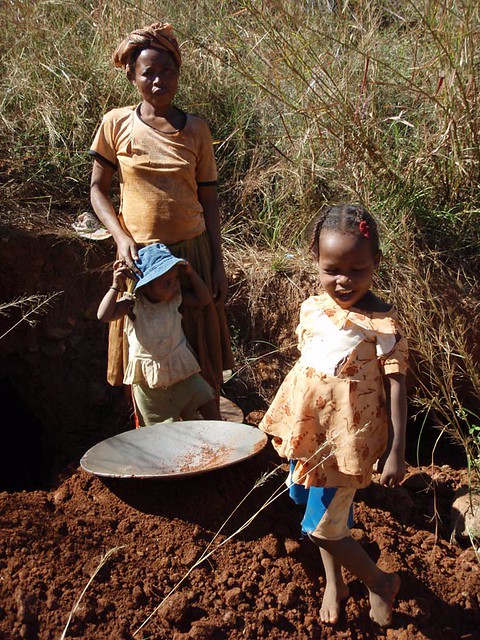
In addition to facilitating the formalization or regulation of the artisanal and small-scale gold mining sector, keeping statistics on the quantities of mercury used and the practices employed in artisanal and small-scale gold mining and processing within its territory, creating a public health policy on the exposure of artisanal and small-scale gold miners and their communities to mercury.
Since ASM's are unlicensed, they are not regulated and health and safety issues, pollution to the environment, and child labor are chief concerns. Accidents and injuries from mining in unsafe tunnels, unprotected open pits and use of explosives lead to severe and fatal accidents. Chemical exposure and limited access to safety equipment are a day-to-day risk for poor miners.
Mining Africa's Health
Minamata Convention on Mercury was held in Kumamoto, Japan on October 10, 2013 and on August 16, 2017, entered into force. The following African Countries have signed the Minamata Convention on Mercury:
Mining Africa's Health The Minamata Convention on Mercury| African Country | Signature Date |
|---|---|
|
Algeria |
No data |
|
Angola |
11 Oct 2013 |
|
Benin |
10 Oct 2013 |
|
Botswana |
No data |
|
Burkina Faso |
10 Oct 2013 |
|
Burundi |
14 Feb 2014 |
|
Cameroon |
24 Sep 2014 |
|
Central African Republic |
10 Oct 2013 |
|
Chad |
25 Sep 2014 |
|
Congo |
8 Oct 2014 |
|
Côte d'Ivoire |
10 Oct 2013 |
|
Democratic Republic of the Congo |
No data |
|
Djibouti |
10 Oct 2013 |
|
Egypt |
No data |
|
Equatorial Guinea |
No data |
|
Eritrea |
No data |
|
Ethiopia |
10 Oct 2013 |
|
Gabon |
30 Jun 2014 |
|
Gambia |
10 Oct 2013 |
|
Ghana |
24 Sep 2014 |
|
Guinea |
25 Nov 2013 |
|
Guinea-Bissau |
24 Sep 2014 |
|
Kenya |
10 Oct 2013 |
|
Lesotho |
No data |
|
Liberia |
24 Sep 2014 |
|
Libya |
10 Oct 2013 |
|
Madagascar |
10 Oct 2013 |
|
Malawi |
10 Oct 2013 |
|
Mali |
10 Oct 2013 |
|
Mauritania |
11 Oct 2013 |
|
Mauritius |
10 Oct 2013 |
|
Morocco |
6 Jun 2014 |
|
Mozambique |
10 Oct 2013 |
|
Namibia |
No data |
|
Niger |
10 Oct 2013 |
|
Nigeria |
10 Oct 2013 |
|
Republic of Cabo Verde |
No data |
|
Rwanda |
No data |
|
Sao Tome and Principe |
No data |
|
Senegal |
11 Oct 2013 |
|
Seychelles |
27 May 2014 |
|
Sierra Leone |
12 Aug 2014 |
|
Somalia |
No data |
|
South Africa |
10 Oct 2013 |
|
South Sudan |
No data |
|
Sudan |
24 Sep 2014 |
|
Swaziland |
No data |
|
Togo |
10 Oct 2013 |
|
Tunisia |
10 Oct 2013 |
|
Uganda |
10 Oct 2013 |
|
United Republic of Tanzania |
10 Oct 2013 |
|
Zambia |
10 Oct 2013 |
|
Zimbabwe |
11 Oct 2013 |
Did you know? Mercury is contained in many products, including batteries, thermometers and barometers, electric switches and relays in equipment Lamps including some types of light bulbs, dental amalgam for dental fillings, skin-lightening products and other cosmetics and pharmaceuticals.
Below are more links to gold mining articles you will find thought provoking.
Part of the Resource Wars Archive
⚡ Explore Geopolitical Intelligence →- Gold Mining the Devils Office South Africa
- Gold Mining and Gangs in Nigeria
- Gold causes lead poisoning in African children
- Artisanal and Small-scale mining