








Cow Donation From Czechoslovakia to Africa
From Czechoslovakia to Africa, historical information on the origin of giving cows to African families and the people behind the aid.
The idea of giving a cow to an African family began as a part of sustainable development efforts. The idea is to provide families with a long-term solution to poverty, rather than simply providing them with short-term aid.
The idea of giving cows to African families began with the work of a Czechoslovakian man named Dan West.

The concept of giving livestock to families in need originated in the 1940s with the work of a Czechoslovakian man named Dan West, who was serving as a relief worker during the Spanish Civil War. He realized that simply giving food aid to the people was not a sustainable solution, as they would eventually run out of food again.
Instead, he came up with the idea of giving them cows, which could provide a source of milk and also be used for plowing fields and other agricultural work. This idea was further developed and refined by organizations such as Heifer International, which was founded in 1944.
Heifer International focused on providing families with livestock such as cows, goats, and chickens, as well as training in sustainable agriculture and animal husbandry practices. This approach has been successful in helping families to become self-sufficient, improve their livelihoods, and break the cycle of poverty.
Since then, several other organizations, including Send a Cow, World Vision, and Oxfam, have also adopted this approach and continue to provide families in need with livestock as a means of sustainable development.
Receiving a cow will transform someone's life in several ways, especially in communities where agriculture is a primary means of livelihood.
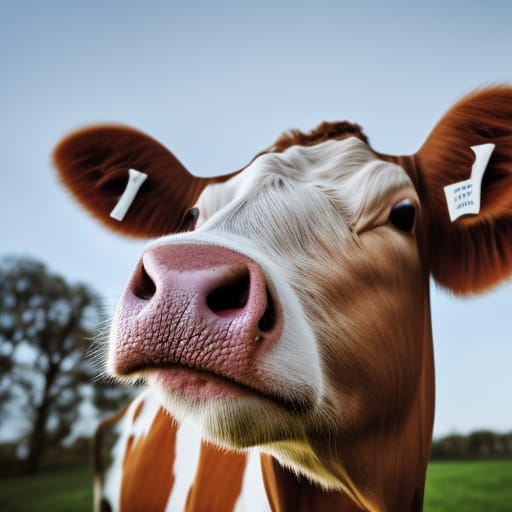
A cow will provide a steady source of milk and dairy products for a family. This will be a significant boost to their nutritional intake, particularly for children who need the nutrients for growth and development.
Owning a cow will also be a source of income generation. The family can sell the milk, dairy products, and even the cow itself if needed. This can be a valuable source of income for a family that may have been struggling to make ends meet.
Cow manure is an excellent fertilizer for crops. Owning a cow can help improve the fertility of the soil, leading to better crop yields and potentially even surplus crops that can be sold.
In some communities, owning a cow is a symbol of wealth and prosperity. It can improve the social standing of the family and lead to more opportunities in the community.
Owning a cow can also provide educational opportunities for children. They can learn about animal husbandry, agriculture, and even basic business skills by helping to care for and sell the cow's products.
Owning a cow has transformed the lives of people in Africa.
There are three major organizations that help African families by providing them with cows, or other livestock, as a means of improving their livelihoods; Heifer International, Send a Cow and World Vision Christian humanitarian organization.
Heifer International is a nonprofit organization that works to eradicate poverty and hunger by providing livestock, training, and other resources to families in need. They work in several African countries, including Ghana, Kenya, Tanzania, and Uganda, providing families with cows, goats, chickens, and other livestock.

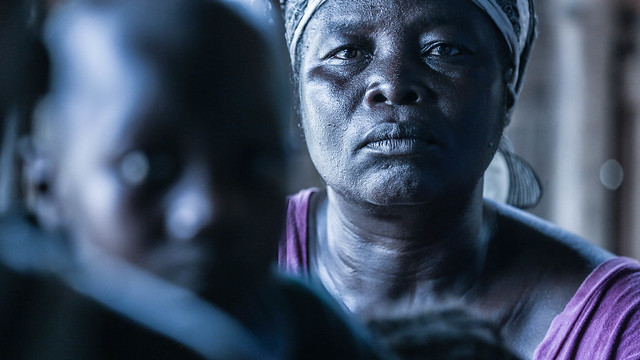
Esther, a widow from Kenya, received a dairy cow from Heifer International. The cow provided her family with milk, which they used to improve their nutrition and sell for extra income. With the additional income, Esther was able to send her children to school and pay for their healthcare. She also used the manure from the cow to fertilize her crops, which increased her yields and further boosted her income.
Send a Cow is a UK-based charity that works with African families to help them overcome poverty and build sustainable livelihoods. They provide families with cows, as well as training in sustainable agriculture, animal husbandry, and other skills.
Zakaria, a farmer from Ghana, received a bull from Send a Cow. The bull helped him plow his fields more efficiently, which increased his crop yields and improved his income. Zakaria also used the bull for breeding, which allowed him to sell the offspring for additional income. With the extra income, Zakaria was able to provide for his family's basic needs and invest in his farm, including purchasing additional land and equipment.
World Vision is a Christian humanitarian organization that works to improve the lives of children and families in need. They work in several African countries, providing families with cows, goats, and other livestock as part of their livestock and agriculture programs.
Fatima, a mother of five from Ethiopia, received a cow from World Vision. The cow provided her family with milk, which they used to improve their nutrition and sell for extra income. With the additional income, Fatima was able to purchase a solar lamp, which allowed her children to study after dark and improved their academic performance. She was also able to purchase additional livestock, including goats and chickens, which further boosted her income and improved her family's livelihood.
The practice of giving cows to African families has its origins in various cultural traditions across the continent. Historically, cattle have been an important symbol of wealth and status in many African societies, and the practice of giving cows as gifts has been a long-standing tradition.
In the mid-20th century, several aid organizations began implementing cow donation programs in various African countries to combat poverty and food insecurity. One of the earliest and most well-known of these programs was Heifer International, founded in 1944 in the United States.
Heifer International aimed to address poverty and hunger by providing cows to families in need, with the expectation that the cows would provide milk and other dairy products, as well as offspring that could be sold or used for food.
Other organizations followed suit, including Oxfam and the Catholic Relief Services, which also implemented cow donation programs in Africa. These programs were often part of larger efforts to address poverty and food insecurity by improving agriculture and promoting sustainable farming practices.
Despite criticisms of the cow donation model, which argue that it can perpetuate dependency and undermine local agricultural practices, the practice of giving cows to African families remains an important aspect of many aid organizations' work in the region.


