๐ŸŒฟ Share this page

The African Gourmet

The African Gourmet: Explore African Culture & Recipes

One bowl of fufu can explain a war. One proverb can outsmart a drought.
Welcome to the real Africa—told through food, memory, and truth.

FOOD PROVERBS

Photo of Ivy, author of The African Gourmet

About the Author

A Legacy Resource, Recognized Worldwide

For 19 years, The African Gourmet has preserved Africa's stories is currently selected for expert consideration by the Library of Congress Web Archives, the world's premier guardian of cultural heritage.

Trusted by: WikipediaEmory University African StudiesUniversity of KansasUniversity of KwaZulu-NatalMDPI Scholarly Journals.
Explore our archived collections → DOI: 10.5281/zenodo.17329200

View citations →

Shito: Spice Up Your Culinary Adventures

Shito: Ghana’s Hot Sauce to Spice Up Your Food Life

If you’re a fan of bold flavors and crave an extra kick in your meals, Shito is the condiment you need in your food life. Imagine slathering it on a veggie burger, turkey burger, or even a juicy beef burger—instantly transforming your meal into a flavor-packed adventure. This renowned hot sauce from Ghana is celebrated for its intense heat and rich, complex flavor profile, making it a must-have for spice lovers worldwide. Let’s plunge into what makes Shito so distinctive and how it will elevate your culinary experience.
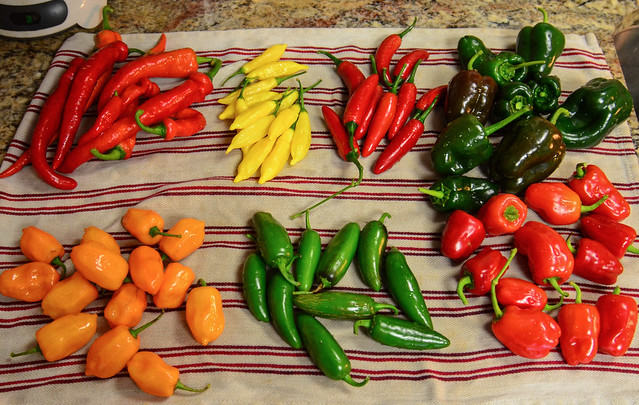
Shito Spice Food Life

What is Shito?

Shito, meaning "pepper" in Ghanaian Ga language, is more than just a hot sauce—and yes, we know the name might make you chuckle, but trust us, the flavor is no joke—it’s a super hot versatile culinary staple. Unlike many hot sauces that focus solely on heat, Shito boasts a deep and complex taste, thanks to its unique blend of ingredients. Traditional recipes include:

  • Hot peppers (such as Scotch bonnets or chili peppers)
  • Aromatic spices (like ginger, garlic, and nutmeg)
  • Dried fish or shrimp powder for umami richness
  • Onions and tomatoes for a hint of sweetness
  • Oil to create its smooth texture and preserve its freshness

The combination of these ingredients results in a sauce that’s fiery, savory, and slightly smoky, with just the right touch of sweetness.

How to Use Shito

Shito is incredibly versatile and pairs beautifully with a variety of dishes, both African and international. Here are some popular ways to enjoy it:

  1. Drizzle Over Grilled Meats: Whether it’s chicken, beef, or fish, a spoonful of Shito enhances the smoky flavors of grilled dishes.
  2. Mix into Stews and Soups: Add depth and spice to your stews by stirring in some Shito. It’s a game-changer for dishes like peanut soup or tomato-based stews.
  3. Serve as a Dip: Use Shito as a dipping sauce for fried snacks like plantain chips, yam fries, or spring rolls.
  4. Pair with Rice Dishes: Shito is a classic accompaniment to jollof rice, waakye (a Ghanaian rice and beans dish), or even plain white rice.
  5. Spread on Bread: Add a spicy twist to sandwiches or use it as a spread for a quick, flavorful snack.

Why Shito is Gaining Global Popularity

In recent years, Shito has transcended its Ghanaian roots and gained recognition across the globe. Here’s why:

  • Unique Flavor: Its perfect balance of heat, umami, and smokiness makes it stand out from other hot sauces.
  • Versatility: Shito’s ability to complement a wide range of dishes has made it a favorite among food enthusiasts.
  • Shelf Life: Thanks to the oil used in its preparation, Shito has a long shelf life, making it convenient for home cooks—long enough to spice up all your meals and then some!
  • Cultural Connection: As African cuisines continue to gain appreciation worldwide, Shito has become a gateway for many to explore Ghanaian food culture.

Where to Find Shito

If you’re ready to spice up your meals with Shito, you can find it in African grocery stores, specialty food markets, or online. Alternatively, you can try making your own at home. While traditional recipes can be time-intensive, the result is well worth the effort.

Final Thoughts on Shito

Shito isn’t just a condiment; it’s an experience. Its bold flavors and versatility make it a standout addition to any kitchen. Whether you’re a seasoned spice enthusiast or new to the world of hot sauces, Shito is sure to delight your taste buds and transform your meals.

So, why wait? Grab a jar of Shito today and spice up your food life! Shito is the best artisan small-batch hot pepper sauce you will ever make.


How to Spice Up Your Culinary Experiences by Making Shito Ghanaian Pepper Sauce

Shito Pepper Sauce Recipe for a Spice Food Life


African recipes by African Gourmet

Shito Ghanaian pepper sauce is made with hot peppers, shrimp, fish, tomato paste and seasonings to create Ghana’s most beloved hot sauce.

Prep time: 10 min Cook time: 15 min Total time: 25 min


Ingredients:

2 cups tomato puree

10 dried hot chilies

1 tablespoon shrimp paste

1 tablespoon fish sauce

1 tablespoon onion powder

1 teaspoon ground ginger

½ teaspoon cumin

1/4 cup olive oil

Directions:

Add all ingredients into a food processor and mix well. In a medium saucepan, simmer for 15 minutes on low. Add sauce to soups and stews or use as a sauce over grilled meat, vegetables and seafood.

Shito: Spice Up Your Culinary Adventures

African Recipes Organized by Meal Time

African Drinks & Beverages

Snacks & Appetizers

Breakfast

Lunch

Dinner

Desserts

Recipes as Revolution

Recipes as Revolution

When food becomes protest and meals carry political meaning

Loading revolutionary recipes...
African woman farmer

She Feeds Africa

Before sunrise, after sunset, seven days a week — she grows the food that keeps the continent alive.

60–80 % of Africa’s calories come from her hands.
Yet the land, the credit, and the recognition still belong to someone else.

Read her story →

To every mother of millet and miracles —
thank you.

More African Reads

African Ancestors and Atlantic Hurricanes: Myth Meets Meteorology

Survival of the Fattest, obese Europeans starving Africa

Top 20 Largest Countries in Africa by Land Area (2025 Update)

African Proverbs for Men About the Wrong Woman in Their Life

Ugali vs Fufu — What’s the Difference Between Africa’s Beloved Staples?

Charging Cell Phones in Rural Africa

Beware of the naked man who offers you clothes African Proverb

African Olympic Power: Top 10 Countries with the Most Gold Medals | The African Gourmet

Perfect South African Apricot Beef Curry Recipe

Usage of Amen and Ashe or Ase and Meaning

Week’s Best African Culture Posts

Before You Buy Land in Africa: 8 Critical Pitfalls Every Diaspora Member Must Avoid

Kei Apple Recipes: Traditional African Fruit Cooking & Folk Science

Korean vs African Cuisine: Fermentation, Fire & Flavor Bridges - The African Gourmet

African Wrestling Traditions: Dambe, Evala & Senegalese Laamb Explained

Kei Apple (Dovyalis caffra): Origins, Uses, Nutrition & Recipes

Aloe Vera: Nature's Pharmacy | African Science & Folklore

African Gourmet FAQ

Archive Inquiries

Why "The African Gourmet" if you're an archive?

The name reflects our origin in 2006 as a culinary anthropology project. Over 18 years, we've evolved into a comprehensive digital archive preserving Africa's cultural narratives. "Gourmet" now signifies our curated approach to cultural preservation—each entry carefully selected and contextualized.

What distinguishes this archive from other cultural resources?

We maintain 18 years of continuous cultural documentation—a living timeline of African expression. Unlike static repositories, our archive connects historical traditions with contemporary developments, showing cultural evolution in real time.

How is content selected for the archive?

Our curation follows archival principles: significance, context, and enduring value. We preserve both foundational cultural elements and timely analyses, ensuring future generations understand Africa's complex cultural landscape.

What geographic scope does the archive cover?

The archive spans all 54 African nations, with particular attention to preserving underrepresented cultural narratives. Our mission is comprehensive cultural preservation across the entire continent.

Can researchers access the full archive?

Yes. As a digital archive, we're committed to accessibility. Our 18-year collection is fully searchable and organized for both public education and academic research.

How does this archive ensure cultural preservation?

Through consistent documentation since 2006, we've created an irreplaceable cultural record. Each entry is contextualized within broader African cultural frameworks, preserving not just content but meaning.