๐ŸŒฟ Share this page

The African Gourmet

The African Gourmet: Explore African Culture & Recipes

One bowl of fufu can explain a war. One proverb can outsmart a drought.
Welcome to the real Africa—told through food, memory, and truth.

Christmas & New Year in Africa

FOOD PROVERBS

The South African Gold Belt and the Devils Office 1881.


Gold mining in 1881 in the gold mines of Kaapsehoop South Africa involved panning, sluicing, dredging, hard rock mining, and working in the devils office.
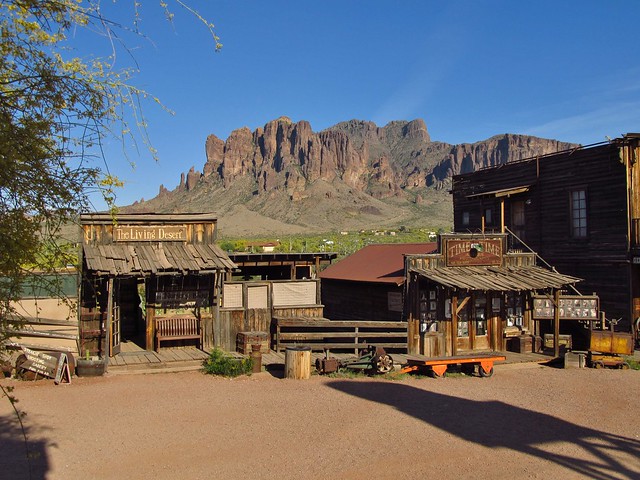
Gold mining in 1882 in the gold mines of Kaapsehoop South Africa

Kaapsehoop Gold Mining the Devils Office South Africa

Kaapsehoop, the devils office, overlooks the De Kaap Valley also known as the valley of death because many gold miners died from malaria.

Kaapsehoop is a town in the Mpumalanga province of South Africa. Kaapsehoop owes its existence to the discovery of gold in the hills around the present-day town in 1881. A rush of miners and fortune-hunters ensued. The name Kaapschehoop is also spelled Kaapsche Hoop.

In 1882 Bernard Chomse claimed to have found gold in the bed of a stream in Kaapsehoop and a gold rush took place. Its existence was short-lived, however, as most of the broker's left Barberton following the discovery of the rich goldfields of the Witwatersrand, South Africa. Witwatersrand mine is so rich it produces about 50% of all the gold ever mined on earth.

Kaapsehoop gold rush was short lived due to the discovery of a much richer gold mine in Witwatersrand and gold miners named the Kaapsehoop mine duiwelskantoor “devil's office”.

According to South Africa travel directory an early record says, no description could convey anything approaching an adequate idea of the difficulties of a journey through this region. The mountains are so rugged that only the devil could live here.

Did you know? Bernard Chomse is credited for being the first gold miner to find gold in 1881 in a stream bed near to Kaapsehoop.

Part of the Resource Wars Archive

⚡ Explore Geopolitical Intelligence →

Below are more links to gold mining articles you will find thought provoking.

  1. Gold Mining and Gangs in Nigeria
  2. Gold causes lead poisoning in African children
  3. Artisanal and Small-scale mining


Chic African Culture and The African Gourmet=

Cite The Source

Copy & Paste Citation

One click copies the full citation to your clipboard.

APA Style: Click button to generate
MLA Style: Click button to generate
DOI: 10.5281/zenodo.17329200

African Recipes Organized by Meal Time

African Drinks & Beverages

Snacks & Appetizers

Breakfast

Lunch

Dinner

Desserts

Ivy, founder and author of The African Gourmet

About the Author

Ivy is the founder and lead writer of The African Gourmet. For over 19 years, she has been dedicated to researching, preserving, and sharing the rich culinary heritage and food stories from across the African continent.

A Legacy Resource, Recognized Worldwide

The African Gourmet is preserved as a cultural resource and is currently selected for expert consideration by the Library of Congress Web Archives.

Cited and trusted by leading institutions:
Wikipedia
Emory University African Studies
University of Kansas
Cornell University SRI Program (Madagascar resource)

Explore our archived collections → DOI: 10.5281/zenodo.17329200

View all citations and backlinks

Recipes as Revolution

Recipes as Revolution

When food becomes protest and meals carry political meaning

Loading revolutionary recipes...
African woman farmer

She Feeds Africa

Before sunrise, after sunset, seven days a week — she grows the food that keeps the continent alive.

60–80 % of Africa’s calories come from her hands.
Yet the land, the credit, and the recognition still belong to someone else.

Read her story →

To every mother of millet and miracles —
thank you.

More African Reads

African Ancestors and Atlantic Hurricanes: Myth Meets Meteorology

Survival of the Fattest, obese Europeans starving Africa

Top 20 Largest Countries in Africa by Land Area (2025 Update)

African Proverbs for Men About the Wrong Woman in Their Life

Ugali vs Fufu — What’s the Difference Between Africa’s Beloved Staples?

Charging Cell Phones in Rural Africa

Beware of the naked man who offers you clothes African Proverb

African Olympic Power: Top 10 Countries with the Most Gold Medals | The African Gourmet

Perfect South African Apricot Beef Curry Recipe

Usage of Amen and Ashe or Ase and Meaning

Week’s Best African Culture Posts

Before You Buy Land in Africa: 8 Critical Pitfalls Every Diaspora Member Must Avoid

Imhotep: Folklore, Wisdom & The Egyptian Search for Order

Aloe Vera: Nature's Pharmacy | African Science & Folklore

Ugali vs Fufu — What’s the Difference Between Africa’s Beloved Staples?

Kei Apple Recipes: Traditional African Fruit Cooking & Folk Science

Korean vs African Cuisine: Fermentation, Fire & Flavor Bridges - The African Gourmet

African Gourmet FAQ

Archive Inquiries

Why "The African Gourmet" if you're an archive?

The name reflects our origin in 2006 as a culinary anthropology project. Over 18 years, we've evolved into a comprehensive digital archive preserving Africa's cultural narratives. "Gourmet" now signifies our curated approach to cultural preservation—each entry carefully selected and contextualized.

What distinguishes this archive from other cultural resources?

We maintain 18 years of continuous cultural documentation—a living timeline of African expression. Unlike static repositories, our archive connects historical traditions with contemporary developments, showing cultural evolution in real time.

How is content selected for the archive?

Our curation follows archival principles: significance, context, and enduring value. We preserve both foundational cultural elements and timely analyses, ensuring future generations understand Africa's complex cultural landscape.

What geographic scope does the archive cover?

The archive spans all 54 African nations, with particular attention to preserving underrepresented cultural narratives. Our mission is comprehensive cultural preservation across the entire continent.

Can researchers access the full archive?

Yes. As a digital archive, we're committed to accessibility. Our 18-year collection is fully searchable and organized for both public education and academic research.

How does this archive ensure cultural preservation?

Through consistent documentation since 2006, we've created an irreplaceable cultural record. Each entry is contextualized within broader African cultural frameworks, preserving not just content but meaning.