🌿 Share this page

The African Gourmet

The African Gourmet: Explore African Culture & Recipes

One bowl of fufu can explain a war. One proverb can outsmart a drought.
Welcome to the real Africa—told through food, memory, and truth.

Christmas & New Year in Africa

FOOD PROVERBS

Amaranth, Calendulas, dandelions and stinging nettles are the 4 most effective plants used in herbal remedies throughout Africa to grow in your home or neighborhood garden. Four most effective African medicinal plants to grow in your garden.

Harvest these 4 natural herbal remedies for simple, homegrown medicine.

Stinging nettles is a plant used in herbal remedies that is found in your garden or in the wild.

Stinging Nettles are easy to grow; the root is also used for joint ailments, as a diuretic, and as an astringent. Stinging nettle above ground parts are used for anemia, poor circulation, urinary tract infections, allergies, kidney stones or as a general tonic.  In foods, young stinging nettle leaves are eaten as a cooked vegetable. Do not forget to wear gloves when harvesting. Nettles have a harmless but unpleasant sting, if brushed. Stinging nettle leaf has a long history of use. It was used primarily as a diuretic and laxative in ancient Greek times.

Amaranth is a broad-leafed, bushy plant that grows about six feet tall. Tanzanian Mchicha amaranth healing African green tea may provide a unique traditional health benefit reducing blood pressure and cardiovascular disease. 
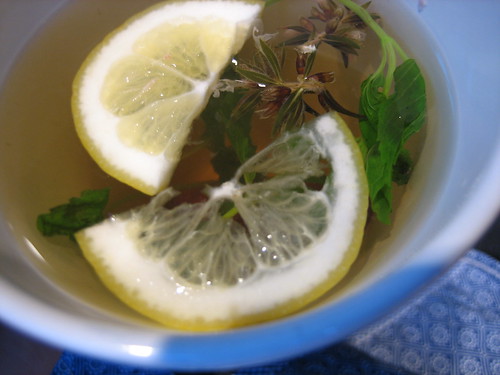
Amaranth is a plant used in herbal remedies that is found in your garden or in the wild.
Amaranth is an important plant to the nutrition of Southern Africa. Cooked Amaranth leaves are eaten as vegetables, soups, stews and relishes.  Leaves and young plant stems are cooked as spinach and have a mild flavor and the seeds of the Amaranth plant are ground into flour. Amaranth produces a brightly colored flower that can contain up to 60,000 seeds.

Dandelion is often considered a weed and a problematic to lawn care workers. Dandelions are one of the most multipurpose herbs.  Dandelions are used for loss of appetite, upset stomach, intestinal gas, gallstones, joint pain, muscle aches, eczema, and bruises. 

Dandelions is a plant used in herbal remedies that is found in your garden or in the wild.

Dandelion is also used to increase urine production and as a laxative to increase bowel movements. Dandelions are also used as skin toner, blood tonic, and digestive tonic. In foods, dandelion is used as salad greens, and in soups, wine, and teas. The root is also used, dried and ground as a substitute for coffee.

Calendula is an important addition to a healer's garden. The flower petals of the calendula plant have been used for medicinal purposes for centuries.  Calendula has been used to treat stomach upset and ulcers, as well as relieve menstrual cramps, and an ointment applied to the skin. 

Calendulas is a plant used in herbal remedies that is found in your garden or in the wild.
It is believed Calendula helps, wounds heal faster, improve skin hydration and firmness. It's orange flowers are used as a tea and edible pretty addition to a salad as well.

Together we build awareness that boost harmony, education, and success, below are more links to articles you will find thought provoking.

  1. Deadliest routes for refugees
  2. Cooking with shea butter oil
  3. Worst serial killers recorded in history are women
  4. Indigenous healers and plants used
  5. Night running illness or magic
  6. What is back to Africa

Chic African Culture and The African Gourmet=

Cite The Source

Copy & Paste Citation

One click copies the full citation to your clipboard.

APA Style: Click button to generate

African Recipes Organized by Meal Time

African Drinks & Beverages

Snacks & Appetizers

Breakfast

Lunch

Dinner

Desserts

Recipes as Revolution

Recipes as Revolution

When food becomes protest and meals carry political meaning

Loading revolutionary recipes...
African woman farmer

She Feeds Africa

Before sunrise, after sunset, seven days a week — she grows the food that keeps the continent alive.

60–80 % of Africa’s calories come from her hands.
Yet the land, the credit, and the recognition still belong to someone else.

Read her story →

To every mother of millet and miracles —
thank you.

African Gourmet FAQ

Archive Inquiries

Why "The African Gourmet" if you're an archive?

The name reflects our origin in 2006 as a culinary anthropology project. Over 18 years, we've evolved into a comprehensive digital archive preserving Africa's cultural narratives. "Gourmet" now signifies our curated approach to cultural preservation—each entry carefully selected and contextualized.

What distinguishes this archive from other cultural resources?

We maintain 18 years of continuous cultural documentation—a living timeline of African expression. Unlike static repositories, our archive connects historical traditions with contemporary developments, showing cultural evolution in real time.

How is content selected for the archive?

Our curation follows archival principles: significance, context, and enduring value. We preserve both foundational cultural elements and timely analyses, ensuring future generations understand Africa's complex cultural landscape.

What geographic scope does the archive cover?

The archive spans all 54 African nations, with particular attention to preserving underrepresented cultural narratives. Our mission is comprehensive cultural preservation across the entire continent.

Can researchers access the full archive?

Yes. As a digital archive, we're committed to accessibility. Our 18-year collection is fully searchable and organized for both public education and academic research.

How does this archive ensure cultural preservation?

Through consistent documentation since 2006, we've created an irreplaceable cultural record. Each entry is contextualized within broader African cultural frameworks, preserving not just content but meaning.