๐ŸŒฟ Share this page

The African Gourmet

The African Gourmet: Explore African Culture & Recipes

One bowl of fufu can explain a war. One proverb can outsmart a drought.
Welcome to the real Africa—told through food, memory, and truth.

Christmas & New Year in Africa

FOOD PROVERBS

One Tribe Crossing the Gate of Grief Populated the World

Homo sapiens left their African homeland to colonize the world. One African tribe crossing the Gate of Grief populated the entire world outside of Africa.
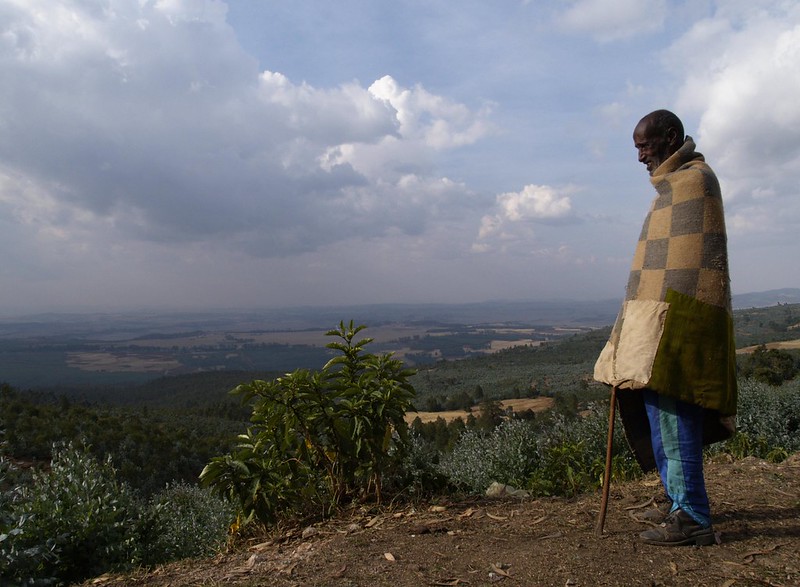
View from Mount Entoto. Entoto Mountain is the highest peak overlooking the city of Addis Ababa, the capital of Ethiopia, and has views of the city.

The entire human race outside Africa owes its existence to the survival of a single tribe of people who crossed the Gate of Grief around 90,000 years ago.

Humans were able to take advantage of falling sea levels due to climate change to cross into Arabia at the mouth of the Red Sea known as the Gate of Grief.

One African Tribe Crossing the Gate of Grief Populated the Entire World outside of Africa.

One African Tribe Crossing the Gate of Grief Populated the Entire World outside of Africa.

Today there is 18 miles between the coasts of Djibouti and Yemen across Bab-el-Mandeb also known as the Gate of Grief in Arabic. The Gate of Grief is between the Red Sea, one of the most saline bodies of water in the world and the Gulf of Aden an essential shipping waterway in the world economy.

The ancestral origin of humans was possibly located in southern Africa, near the South Africa-Namibia border. By using modern DNA Geneticists, we trace the origins of Homo sapiens outside of Africa to a single tribe.

These ancestors managed to cross from the Horn of Africa and into Arabia through the Gate of Grief. There are 14 ancestral populations in Africa that are linked by ethnicity and shared cultural and language properties. One survived outside of the African continent and from there, just one tribe went on to inhabit the entire world.

There is more genetic diversity in Africa than anywhere else on earth. Dr. Stephen Oppenheimer, a geneticist at the school of anthropology at Oxford University said, "What you can see from the DNA of all non-Africans is that they all belong to one tiny African branch that came across the Red Sea. If it was easy to get out of Africa, we would have seen multiple African lineages in the DNA of non-Africans but that there was only one successful exit suggests it must have been very tough to get out." 
Did you know?
The Gate of Grief is also known as the Gate of Tears or Bab-El-Mandeb in Arabic.
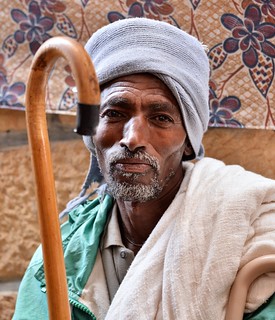
African elder from the Tigray region of Ethiopia.
One African Tribe Crossing the Gate of Grief Populated the Entire World outside of Africa.
  1. Deadliest routes for refugees
  2. Cooking with shea butter oil
  3. Worst serial killers recorded in history are women
  4. Indigenous healers and plants used
  5. Night running illness or magic
  6. What is back to Africa

Chic African Culture and The African Gourmet=

African Recipes Organized by Meal Time

African Drinks & Beverages

Snacks & Appetizers

Breakfast

Lunch

Dinner

Desserts

Photo of Ivy, author of The African Gourmet

About the Author

A Legacy Resource, Recognized Worldwide

For 19 years, The African Gourmet has preserved Africa's stories is currently selected for expert consideration by the Library of Congress Web Archives, the world's premier guardian of cultural heritage.

Trusted by: WikipediaEmory University African StudiesUniversity of KansasUniversity of KwaZulu-NatalMDPI Scholarly Journals.
Explore our archived collections → DOI: 10.5281/zenodo.17329200

View citations →

Recipes as Revolution

Recipes as Revolution

When food becomes protest and meals carry political meaning

Loading revolutionary recipes...
African woman farmer

She Feeds Africa

Before sunrise, after sunset, seven days a week — she grows the food that keeps the continent alive.

60–80 % of Africa’s calories come from her hands.
Yet the land, the credit, and the recognition still belong to someone else.

Read her story →

To every mother of millet and miracles —
thank you.

More African Reads

African Ancestors and Atlantic Hurricanes: Myth Meets Meteorology

Survival of the Fattest, obese Europeans starving Africa

Top 20 Largest Countries in Africa by Land Area (2025 Update)

African Proverbs for Men About the Wrong Woman in Their Life

Ugali vs Fufu — What’s the Difference Between Africa’s Beloved Staples?

Charging Cell Phones in Rural Africa

Beware of the naked man who offers you clothes African Proverb

African Olympic Power: Top 10 Countries with the Most Gold Medals | The African Gourmet

Perfect South African Apricot Beef Curry Recipe

Usage of Amen and Ashe or Ase and Meaning

Week’s Best African Culture Posts

Before You Buy Land in Africa: 8 Critical Pitfalls Every Diaspora Member Must Avoid

Imhotep: Folklore, Wisdom & The Egyptian Search for Order

Aloe Vera: Nature's Pharmacy | African Science & Folklore

Kei Apple Recipes: Traditional African Fruit Cooking & Folk Science

Korean vs African Cuisine: Fermentation, Fire & Flavor Bridges - The African Gourmet

African Wrestling Traditions: Dambe, Evala & Senegalese Laamb Explained

African Gourmet FAQ

Archive Inquiries

Why "The African Gourmet" if you're an archive?

The name reflects our origin in 2006 as a culinary anthropology project. Over 18 years, we've evolved into a comprehensive digital archive preserving Africa's cultural narratives. "Gourmet" now signifies our curated approach to cultural preservation—each entry carefully selected and contextualized.

What distinguishes this archive from other cultural resources?

We maintain 18 years of continuous cultural documentation—a living timeline of African expression. Unlike static repositories, our archive connects historical traditions with contemporary developments, showing cultural evolution in real time.

How is content selected for the archive?

Our curation follows archival principles: significance, context, and enduring value. We preserve both foundational cultural elements and timely analyses, ensuring future generations understand Africa's complex cultural landscape.

What geographic scope does the archive cover?

The archive spans all 54 African nations, with particular attention to preserving underrepresented cultural narratives. Our mission is comprehensive cultural preservation across the entire continent.

Can researchers access the full archive?

Yes. As a digital archive, we're committed to accessibility. Our 18-year collection is fully searchable and organized for both public education and academic research.

How does this archive ensure cultural preservation?

Through consistent documentation since 2006, we've created an irreplaceable cultural record. Each entry is contextualized within broader African cultural frameworks, preserving not just content but meaning.