Posts

🌿 Share this page

Africa told through food, memory, and time.

African foods are systems of knowledge

Documentation: Kei Apple (Dovyalis caffra) & Traditional Chutney | African Foodways Heritage Archive

Documentation: Kei Apple (Dovyalis caffra) & Traditional Chutney

Archive Entry: African Foodways Heritage Archive
Scientific Name: Dovyalis caffra
Common Name: Kei Apple
Geographic Origin: Southern Africa, Kei River region
Culinary Use: Traditional chutney preparation
Recorded: March 2014 | AFHA Compiled: January 2026

Botanical Note: Dovyalis caffra is a spiny evergreen fruit tree native to southern Africa. Its common name derives from the Kei River area of South Africa where it grows abundantly. The tree serves multiple purposes: fruit production, medicinal use, and as natural fencing due to its thorny nature.
Fresh Kei apples showing characteristic appearance
Figure 1. Fresh Kei Apple fruit (Dovyalis caffra) - indigenous South African fruit used in traditional chutney preparation.

Botanical & Cultural Context

Multilingual Nomenclature

Scientific: Dovyalis caffra
English: Kei Apple, Wild Apricot, Dingaan's Apricot
Afrikaans: Kei-appel
Zulu: umqokolo
Ndebele: amaqokolo

Flavor Profile & Characteristics

Kei apples possess a distinctive flavor profile that makes them particularly suitable for preserves and chutneys:

  • Primary taste: Sweet and tangy combination
  • Secondary notes: Citrus undertones with tropical fruit characteristics
  • Texture: Juicy flesh when ripe
  • Culinary suitability: Ideal for chutneys, jams, and preserves due to balanced sweet-sour profile
  • Preservation quality: Maintains flavor well when cooked and preserved
Substitution Documentation: When Kei apples are unavailable, Granny Smith apples with 1 tablespoon of lemon juice provide the closest approximation of the tart-sweet balance. This substitution represents adaptation of traditional knowledge to ingredient availability while maintaining culinary intent.

Traditional Culinary Application: Chutney Preparation

Documented Preparation: Kei Apple Tomato Chutney

Yield: 2 cups
Preparation: 15 minutes
Cooking: 45 minutes
Total Time: 1 hour

Ingredients

  • 3 large red tomatoes, chopped
  • ¼ cup apple juice
  • ½ cup chopped dates
  • ½ medium onion, finely chopped
  • 2 medium Kei apples, finely chopped
  • 2 tablespoons white sugar
  • ¼ teaspoon ground clove
  • 1 teaspoon ground ginger
  • 1 teaspoon red pepper flakes
  • Salt and pepper to taste

Method

  1. Uniform Preparation: Chop all ingredients consistently to ensure even cooking and texture development.
  2. Combined Cooking: Place all ingredients in heavy-bottomed pot to prevent burning during extended cooking.
  3. Slow Stewing: Cook on low heat for 30-45 minutes, allowing flavors to meld and mixture to thicken naturally.
  4. Consistency Check: Cook until Kei apples are tender and mixture reaches proper chutney thickness.
  5. Season Adjustment: Taste and adjust seasoning to balance sweet, sour, and spicy elements.
  6. Proper Storage: Cool completely before transferring to containers to prevent condensation and spoilage.

Technical Notes

  • Heavy pot: Essential for even heat distribution during slow cooking
  • Slow cooking: Allows natural pectin release and flavor development
  • Spice balance: Clove and ginger provide warmth without overwhelming fruit flavors
  • Sweetness adjustment: Sugar may be adjusted based on Kei apple ripeness

Cultural & Practical Significance

Traditional Knowledge Systems

Beyond culinary use, Kei apple represents integrated traditional knowledge:

  • Medicinal use: Traditional treatment for digestive and respiratory conditions
  • Agricultural function: Natural fencing due to thorny growth habit
  • Ornamental value: Popular in landscaping for attractive appearance and hardiness
  • Ecological role: Food source for local wildlife
  • Culinary preservation: Chutney represents traditional food preservation method

Serving Contexts

This chutney functions within multiple culinary contexts in South African foodways:

  • Meat accompaniment: Traditional pairing with grilled lamb, chicken, or pork
  • Cheese complement: Served with cheese boards featuring brie, cheddar, or goat cheese
  • Sandwich enhancement: Used as gourmet spread in modern applications
  • Curry accompaniment: Served alongside traditional stews and curries
  • Vegetable pairing: Adds brightness to roasted vegetable dishes

Preservation & Storage Knowledge

Traditional & Modern Methods

The chutney preparation inherently includes preservation knowledge:

  • Refrigeration: 2 weeks in airtight containers
  • Freezing: Up to 6 months in portioned containers
  • Canning: Suitable for water bath processing due to acidic nature
  • Flavor development: Improves over 24-48 hours as flavors meld
  • Spoilage prevention: Complete cooling before sealing prevents condensation

Differentiation from Similar Preparations

This chutney represents a specific category within preserved foods:

  • vs. Relish: Fruit-based with sweet-sour profile vs. vegetable-based with sharper tang
  • vs. Jam: Contains multiple ingredients and spices vs. primarily fruit and sugar
  • vs. Sauce: Thicker consistency with distinguishable pieces vs. smooth texture
  • Cultural specificity: Represents South African tradition vs. generic condiment

This entry forms part of the African Foodways Heritage Archive's documentation of indigenous plant use in culinary traditions. It preserves knowledge of Dovyalis caffra (Kei apple) as both a botanical species and a culinary ingredient, recording traditional preparation methods that transform this indigenous fruit into a preserved food product with both historical and contemporary relevance.

The First Machine: The Mortar and Pestle as Cultural Transmitter

The First Machine: How the Mortar and Pestle Built Civilizations and Seasoned a Million Meals

Intergenerational mortar and pestle use in Sévaré, Mali, 1998

An AGFA Archival Entry | ID: AGFA-TO002 | Status: Verified Documentary Evidence

Before the knife, before the pot, there was the mortar and pestle. It is humanity's oldest kitchen machine, not powered by fire or electricity, but by the human arm and the force of gravity. For millennia, its rhythmic thump-thump-thump has been the sound of food being born: grains crushed into flour, spices awakened from their husks, pastes pounded into existence.

This is not merely a tool; it is a cultural transmitter. Its form, a simple bowl and club, is so fundamentally effective that it has persisted, nearly unchanged, from its archaeological origins to a 1998 kitchen in Sévaré, Mali. There, a daughter pounds onions beside her mother—a direct, physical link in a chain of culinary knowledge stretching back thousands of years.

The Physical Archive: Documented Form and Function

The tool's universal efficacy is documented through global material evidence and simple physics.

ComponentDocumented Forms (Material Evidence)Primary Documented Function
MortarStone, wood, ceramic. Found in global archaeological sites (e.g., Egyptian stone mortars, Neolithic African grindstones).A durable vessel to contain material and withstand repeated impact.
PestleStone, wood. Often shaped for ergonomic grip.A blunt instrument to apply focused kinetic energy through pounding, grinding, and crushing.

Documented Processes Enabled:

  • Particle Reduction: Transforming hard grains into digestible flour (evidenced by starch residue analysis on ancient grindstones).
  • Cell Rupture: Releasing volatile oils from spices and juices from vegetables, altering flavor and aroma chemistry.
  • Emulsification & Mixing: Combining solid and liquid components into cohesive pastes, sauces, and medicines.

The Human Archive: A Verified Moment in Sévaré, Mali

While archaeological records show the tool's ancient scale, contemporary documentation captures its enduring human context. A photograph from 1998, taken by L. Lee McIntyre in Sévaré, Mali, provides verified evidence of this uninterrupted tradition.

Black and white photograph from 1998 showing two people in Sévaré, Mali. A daughter stands, holding a large wooden pestle aloft, while her mother steadies a wooden mortar between them, preparing food.

Archival Photograph (1998, Sévaré, Mali): This image documents the specific, intergenerational use of the mortar and pestle in a domestic setting. The action captured—pounding onions for a sauce—connects to the documented culinary pattern of Mali, where meals center on a starch accompanied by a pounded or ground sauce.

This visual evidence confirms the tool's role beyond mere utility; it is an instrument of knowledge transfer. The technique—the rhythm, the pressure, the assessment of texture—is learned not from text, but through embodied practice, from one generation's hands to the next.

The Technical Shift: Documented Transition and Persistent Value

The mortar and pestle's history includes a documented technological transition. Its primary function for bulk, labor-intensive tasks like grain husking has been widely supplanted by mechanized electric mills. This shift is noted in ethnographic and development literature focusing on urban and peri-urban areas.

However, its persistence in kitchens like the one in Sévaré highlights its irreplaceable value for tasks where control, sensory feedback, and small-batch precision are paramount. The tool's continued use underscores a culinary truth: some transformations are best mediated by direct human force, not machine speed.

Applied Knowledge: The Feel of the Work

This isn't just a recipe; it's a lesson in touch. You're going to make a simple cracked pepper salt. The goal is to feel the difference between crushing and blending, and to understand why this ancient tool does both better than anything else.

What You'll Need:

  • 1 tablespoon coarse salt (like sea salt or kosher salt)
  • 1 teaspoon black peppercorns
  • Your mortar and pestle

Step-by-Step: Feeling the Technique

1. Start with the Pepper: The Crunch.

Pour the peppercorns into the bottom of the mortar—the bowl. Don't put in too much; you want them in a single layer so they can't run away.

Here's the move: Pick up the pestle (the club) and hold it like you're holding a door handle. Now, lift it up a few inches and bring it straight down on the peppercorns. Don't grind yet. Just pound.

Listen and feel: You'll hear a satisfying POP or CRACK when you hit them right. That's the sound of the peppercorn's shell breaking open and releasing its scent. Do this 5 or 6 times, moving the pestle around to get all the peppercorns. You're not making powder; you're making little crunchy pieces. This is how you wake up the flavor.

2. Add the Salt: The Blend.

Now, pour the coarse salt right on top of your cracked pepper in the mortar.

Change your grip: Loosen up. Instead of pounding straight down, tilt the pestle. Now, press it against the side of the mortar bowl and push into the mixture.

Here's the new move: Make slow, firm circles. You're not pounding anymore. You're grinding and mixing. The sharp edges of the salt crystals help break the pepper down a tiny bit more, and they carry the pepper flavor into every grain. You'll feel it go from two separate things to one unified, gritty mixture. This should take about 20 seconds of steady circling.

3. Know When You're Done: The Look.

It's ready when it looks even. You shouldn't see big pieces of pepper or patches of plain white salt. It should look like a speckled, dusty blend.

Use a spoon to scoop it into a small jar. Keep it by the stove.

Why This Works—The Science & The Sense

  • The Pound breaks things apart by force. It’s direct and powerful, perfect for hard, round spices that want to roll away.
  • The Grind mixes and finishes the job with friction. It’s controlled and intimate, letting you feel the texture change under your hand.
  • The Cultural Part: This two-step rhythm—pound then grind—is a universal kitchen beat. It’s how a mother in Mali pounds onions for a stew and how a pharmacist centuries ago prepared medicines. The tool is simple, but the skill is in reading the sound, the feel, and the smell. You are not just making seasoning; you are learning a language of touch that connects kitchens across thousands of years. The electric grinder makes powder in a scream; the mortar and pestle makes flavor with a rhythm.

AGFA Preservation Notes & Verification

Source Verification:

  • Archaeological Consensus: Tool classification and ancient use supported by global archaeological site reports and residue analyses.
  • Contemporary Documentation: The 1998 photograph from Sévaré, Mali, by L. Lee McIntyre provides verified spatiotemporal evidence of ongoing use. The accompanying descriptive context is integral to the record.
  • Technical Analysis: The described mechanical processes (particle reduction, etc.) are based on established principles of tribology and food science.

Archival Status: This entry (AGFA-TO002) synthesizes physical evidence, historical context, and a verified contemporary case study to document the mortar and pestle not as a relic, but as a persistent, active technology of culinary transformation and cultural memory.

Last Updated: 2025-12-19

Sclerocarya birrea: Uses, Rituals & Ecological Role

Documentary Entry: The African Marula Tree (Sclerocarya birrea)

Archive Context: Ethnobotanical Documentation
Scientific Name: Sclerocarya birrea
Common Names: Marula, Elephant Tree, Marriage Tree
Geographic Range: Eastern and Southern Africa (Ethiopia to KwaZulu-Natal)
Cultural Significance: Ceremonial, Nutritional, Medicinal, Economic
Originally Documented: March 2012 | AFHA Entry Compiled: January 2026

Fresh marula fruits showing characteristic yellow skin and plum-like size.
Figure 1. South African marula fruit (Sclerocarya birrea). The fruit is high in vitamin C and is consumed by both humans and wildlife.

Botanical & Ecological Context

The marula tree (Sclerocarya birrea) is a deciduous tree native to the miombo woodlands of Southern Africa and the Sudano-Sahelian range. The tree exhibits dioecious characteristics—individual trees are distinctly male or female, with only female trees producing the prized fruit. This biological fact has profound cultural interpretations, particularly among the Venda people of South Africa, who use bark infusions in rituals to influence the gender of unborn children.

The tree serves as a keystone ecological species, with its fruits forming a critical component of the diet for numerous wildlife species including elephants, warthogs, giraffes, and kudu. An elephant may consume 400-700 fruits daily during the season. The phenomenon of animals appearing intoxicated after consuming fermented fallen fruits is part of local folklore, though its scientific basis remains debated among ecologists.

Cultural & Ritual Significance

The Eswatini Marula Festival

The most significant cultural celebration centered on the marula is the annual Eswatini Marula Festival (formerly Swaziland). Held on the third weekend of February, this event marks the beginning of the marula harvest and involves nationwide celebration. The festival is deeply integrated with the Swati monarchy:

  • The King (Ngwenyama) and Queen Mother (Ndlovukazi) preside over ceremonies at the royal compound.
  • Regiments of emabutfo (male warriors) and lutsango (women's regiments) participate in traditional songs and dances.
  • The ritual involves the royal blessing and first consumption of the season's Buganu (marula wine), after which the general population may commence drinking.
  • The festival, while officially two days, often extends as it represents both cultural heritage and significant economic activity, particularly for women who brew and sell the wine.

Documented Recipe: Traditional Buganu (Marula Wine)

Traditional Preparation Method:

  1. Harvest: Collect ripe marula fruits (yellow, slightly soft).
  2. Process: Extract pulp from fruits, separating from the hard inner nut.
  3. Mix: Combine marula pulp with water and sometimes sugar in large fermentation vessels.
  4. Ferment: Allow natural fermentation at room temperature for approximately 3 days, relying on wild yeasts present on fruit skins.
  5. Strain & Serve: Sieve to remove solids. The resulting wine is consumed fresh during the festival period.

Note: This traditional wine differs commercially from Amarula cream liqueur, which involves distillation and cream addition.

Traditional Uses & Applications

Tree PartCulinary UsesMedicinal/Traditional UsesOther Applications
Fruit Pulp Eaten fresh, made into jams, juices, fermented into wine (Buganu, mokhope) High vitamin C source, digestive aid Base for commercial Amarula liqueur
Nut/Kernel Eaten raw or roasted as snack, ground as food spice Source of marula oil for skin treatment Pressed for high-value cosmetic oil
Oil Used in food preparation, as meat preservative Skin moisturizer, treatment for dermatological conditions Cosmetic industry ingredient
Bark & Leaves Bark infusions as tea Medicinal teas for dysentery, diarrhea, malaria prophylaxis; gender selection rituals (Venda) Dye production, tannins for leather

Marula Oil Extraction & Significance

For centuries, women across Southern Africa have practiced traditional marula oil extraction—a labor-intensive process involving cracking the exceptionally hard nuts to extract the soft kernels, which are then hand-pressed. The oil is valued for:

  • Cosmetic properties: Rapid skin absorption, antioxidant content (high in oleic acid)
  • Traditional medicine: Treatment of dry skin, healing of minor burns and abrasions
  • Cultural economy: Provides income for rural women through both traditional use and modern cosmetic markets

Contemporary Adaptations

The marula tree's traditional uses have evolved into commercial applications while maintaining cultural significance:

Amarula Brown Elephant Recipe (Contemporary Adaptation)

Ingredients:

  • 2 ounces Amarula Cream liqueur
  • 1/3 cup whole milk
  • 1/3 cup Coca-Cola

Method: Combine ingredients over ice. This recipe represents a modern, commercialized adaptation of traditional marula consumption.

Other contemporary uses include:

  • Commercial Beverages: Amarula cream liqueur (distilled marula spirit blended with cream)
  • Cosmetics Industry: Marula oil in high-end skincare products
  • Conservation & Agroforestry: The tree is promoted in sustainable land-use programs for its drought resistance and multiple product yields

This entry forms part of the AFHA's "Plants, Animals & Ecological Intelligence" and "Belief, Language & Meaning in Food" research axes. It documents Sclerocarya birrea not merely as a botanical species, but as a cultural keystone—a living nexus of ecology, ritual, economy, and tradition in Southern African societies.

Liberian Rice Bread – Indigenous Grain Transformation in West African Foodways | African Foodways Heritage Archive

Documentation: Liberian Rice Bread – Indigenous Grain Transformation in West African Foodways

Archive Entry: African Foodways Heritage Archive
Primary Subject: Rice Bread Transformation
Botanical Focus: Oryza glaberrima (African rice)
Historical Streams: Indigenous Traditions & Colonial Adaptations
Cultural Region: Liberia, Upper Guinea Coast, West Africa
Culinary Function: Staple Bread as Meal Structural Base
Originally Documented: February 2012 | AFHA Compiled: January 2026

The Rice Bread Paradox: Liberian rice bread represents a sophisticated culinary adaptation where a grain typically consumed boiled as separate grains is transformed into a unified, sliceable form. This transformation challenges Western categorization of "bread" as exclusively wheat-based, demonstrating instead a West African food logic where the region's primary starch—rice—is processed to fulfill all bread functions: as edible utensil, sauce vehicle, portable food, and meal structural foundation.
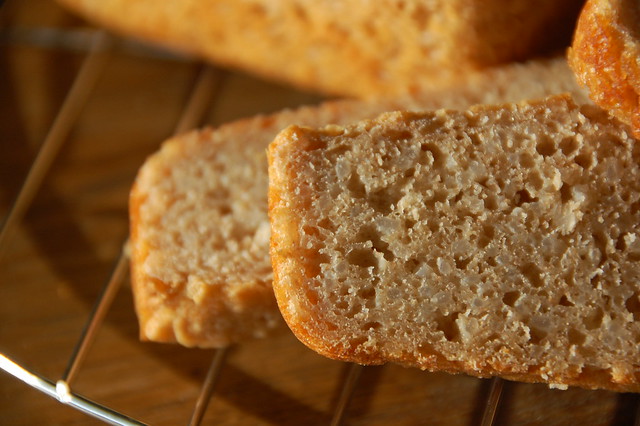
Traditional Liberian rice bread showing sliceable loaf form
Figure 1. Traditional Liberian rice bread. This preparation transforms rice—the foundational starch of West Africa's Upper Guinea Coast—into a solid, sliceable form that functions as bread within the meal structure. Unlike wheat bread, this represents an indigenous adaptation where the region's primary grain is processed to fulfill all bread functions.

Dual Historical Streams Analysis

1. Indigenous Rice Processing Traditions

  • Geographic Range: Senegambia, Sierra Leone, Guinea, Liberia, Madagascar
  • Botanical Base: African rice (Oryza glaberrima), domesticated independently in West Africa circa 1500-800 BCE
  • Traditional Forms:
    • Rice cakes and patties
    • Rice porridges molded and dried
    • Flat steamed loaves and rounds
    • Fermented rice preparations (similar to kenkey, agidi)
  • Primary Function: Acted as starch "breads" alongside sauces and stews within meal structure
  • Processing Methods: Soaking, grinding, fermenting, steaming—traditional techniques predating European contact

2. Colonial & Missionary Adaptations

  • Historical Context: 19th-early 20th century colonial and mission kitchens
  • Catalyst: Wheat scarcity/unavailability in tropical West Africa combined with European bread expectations
  • Documented Forms:
    • Rice flour loaves (appearing in colonial cookbooks)
    • Rice rolls and flatbreads
    • Yeast-leavened rice breads (often dense compared to wheat)
  • Source Evidence: Mission manuals, colonial household guides, early 20th century cookbooks from West Africa
  • Culinary Hybrid: European baking techniques applied to indigenous African grain

3. Liberian Specific Context

  • Geographic Position: Core zone of African rice domestication and cultivation
  • Dietary Role: Rice consumed as breakfast, lunch, and dinner in most households
  • Cultural Significance: Rice as prestige crop with deep historical roots preceding colonial trade
  • Food System Logic: Rice is structural base of meal, not side dish
  • Bread Function: "Rice bread" refers to rice transformed into solid form replacing boiled rice in meal structure
  • Historical Continuity: Represents advanced grain processing knowledge independent of wheat culture

Comparative Analysis: Two Historical Forms

Fermented vs. Baked Rice Bread Traditions

Aspect Fermented Rice Bread (Indigenous Tradition) Baked Rice Bread (19th-Century Adaptation)
Historical Roots Pre-colonial West African processing techniques Colonial/mission kitchen adaptations to wheat scarcity
Primary Technique Wild lactic acid fermentation + steaming Oven baking with chemical/yeast leavening
Microbial Process Natural fermentation (LAB dominant) Controlled leavening (yeast or baking soda)
Texture Profile Dense, slightly elastic, sour tang Dense but crumbly, often sweeter
Food Safety Role Fermentation lowers pH, preserves in humid climate Baking extends shelf life through dehydration
Nutritional Impact Improved digestibility, increased B vitamins Maintains rice nutrition with added ingredients
Cultural Continuity Direct link to indigenous food processing Adaptation to new technologies/ingredients
Modern Examples Kenkey (Ghana), fermented rice cakes Liberian rice bread, mission cookbook recipes

Shared Cultural Logic

Both forms demonstrate sophisticated understanding of grain transformation:

  • Rice as Primary Starch: Both treat rice as the foundational grain rather than imported wheat
  • Functional Adaptation: Create portable, preservable forms of cooked rice
  • Meal Structure: Serve as edible utensil and sauce vehicle within West African meal patterns
  • Climate Adaptation: Address food preservation needs in tropical environment
  • Culinary Intelligence: Demonstrate advanced grain processing knowledge specific to local conditions

Recipe Documentation: Traditional Liberian Rice Bread

Method: Liberian Rice Bread (Baked Adaptation)

Culinary Context: Household staple across Liberia, particularly in home baking traditions
Historical Position: Represents 19th-century adaptation of indigenous grain to new cooking technology
Key Innovation: Transformation of rice from boiled grain to unified baked form
Active Preparation: 15 minutes
Baking Time: 40 minutes
Total Time: 55 minutes
Yield: 1 standard loaf (serves 4-6)

Ingredients & Historical Rationale

  • Rice Flour (2 cups): Primary grain—represents adaptation of indigenous West African rice to baking form. Traditionally might have used stone-ground local rice varieties.
  • Mashed Ripe Plantains (3): Traditional binder and sweetener in West African cooking. Provides moisture, natural sugars, and helps bind gluten-free rice flour. Very ripe (black-speckled) plantains indicate full starch-to-sugar conversion.
  • Whole Milk (1 cup): Adds fat and protein, improving texture in absence of gluten. Reflects availability in post-colonial kitchen contexts.
  • Eggs (2 large): Additional binding agent for gluten-free structure. Eggs became more available and affordable in 20th century West Africa.
  • Granulated Sugar (¼ cup): Moderate sweetness characteristic of many West African bread adaptations. Sugar cultivation and refining expanded in colonial era.
  • Spices (nutmeg, ginger): Traditional West African flavorings commonly used in baked goods and sweet preparations.
  • Baking Soda (1 tsp): Chemical leavening reflecting 19th/20th century kitchen technology adoption.
  • Vegetable Oil (½ cup): Moisture and tenderizing agent. Palm oil would be traditional alternative; vegetable oil represents more recent availability.

Step-by-Step Process with Technical Notes

  1. Oven Preparation: Preheat to 350°F (175°C). This standardized temperature reflects modern baking; historical methods might have used less precise wood-fired ovens or alternative cooking methods.
  2. Ingredient Integration: Combine all ingredients in single mixing step. This simplicity characterizes many traditional West African recipes adapted to home cooking.
  3. Batter Consistency: Stir until homogeneous. The mashed plantains should fully integrate, providing both sweetness and binding properties to compensate for rice flour's lack of gluten.
  4. Pan Preparation: Use well-greased standard loaf pan. The loaf form itself represents European baking influence on West African food presentation.
  5. Baking Process: Bake approximately 40 minutes. Baking time creates Maillard reaction products (browning) and sets structure through protein coagulation and starch gelatinization.
  6. Doneness Test: Toothpick should come out clean. Indicates complete starch gelatinization and protein setting—critical for structural integrity of gluten-free bread.
  7. Cooling & Serving: Allow slight cooling before slicing. Typically served warm or at room temperature with soups, stews, or as breakfast item with coffee/tea.

Traditional Serving Context

In Liberian Meals: Functions as bread within meal structure. Typically served with:

  • Palm butter sauces and stews
  • Groundnut (peanut) stews
  • Pepper soups and okra dishes
  • Breakfast with honey, butter, and black coffee (as shown in historical image)
The bread is torn by hand and used to scoop sauces or eaten alongside main dishes, fulfilling same function as boiled rice but in different form.

African Rice (Oryza glaberrima): Botanical Foundation

Indigenous Grain Domestication and Characteristics

Historical and Agricultural Significance

  • Independent Domestication: Oryza glaberrima was domesticated independently in West Africa's Niger River delta region approximately 3,000 years ago, separate from Asian rice (Oryza sativa).
  • Climate Adaptation: Naturally resistant to local pests, diseases, and environmental stresses (drought, flooding, iron toxicity) that affect Asian rice varieties.
  • Culinary Properties: Typically has red pericarp (bran), nuttier flavor, and different cooking characteristics than Asian rice—often preferred in traditional West African dishes.
  • Cultural Heritage: Represents one of Africa's major contributions to global agricultural biodiversity and food sovereignty.

Processing Traditions Specific to African Rice

  • Traditional Milling: Often hand-pounded in mortar and pestle, preserving more bran and nutrients than mechanical milling.
  • Fermentation Knowledge: Long history of lactic acid fermentation of rice preparations across West Africa, improving digestibility and nutritional availability.
  • Parboiling Techniques: Traditional parboiling (partially boiling rice in husk) before drying and milling—a technique that improves nutritional retention and grain hardness.
  • Cultural Preservation: Despite dominance of Asian rice varieties in global trade, African rice maintains cultural and ceremonial significance in many West African communities.

Historical Context: Liberia's Culinary Landscape

Food System Evolution in West Africa's Oldest Republic

Pre-Colonial Foundations

  • Indigenous Rice Culture: The region that became Liberia was part of the core African rice domestication zone, with sophisticated rice cultivation and processing traditions.
  • Staple Food Logic: Rice functioned as the primary starch—the structural base around which meals were organized, with sauces and proteins as accompaniments.
  • Processing Diversity: Traditional methods included fermented rice preparations, steamed rice cakes, and various forms of processed rice foods.

19th-Century Transformations

  • American Colonization Society: Establishment of Liberia (1847) brought new populations, technologies, and food expectations.
  • Mission Kitchen Influence: Mission schools and households introduced European baking techniques and wheat bread expectations.
  • Adaptation Response: Local rice was adapted to fulfill bread functions using new cooking technologies (ovens) and ingredients (baking powder, wheat flour when available).
  • Culinary Synthesis: Rice bread represents synthesis of indigenous grain with new preparation methods—neither purely traditional nor purely imported.

20th-Century Continuity

  • Household Tradition: Rice baking became established household practice across Liberia, documented in community cookbooks and family recipes.
  • Functional Adaptation: Continued to serve practical needs: portable food, preserved starch, edible utensil for sauces.
  • Cultural Identity: Maintained connection to rice as prestige crop and cultural symbol while adapting to changing kitchen technologies.

Documented Technique: The Science of Gluten-Free Bread Making

Traditional Liberian rice bread demonstrates sophisticated understanding of gluten-free baking principles:

  1. Structural Challenge: Rice flour lacks gluten proteins that create elastic network in wheat bread. Traditional recipes address this through:
    • Plantain Binding: Pectin and soluble fibers in mashed plantains create viscous matrix
    • Egg Protein: Coagulated egg proteins provide structural framework
    • Starch Gelatinization: Rice starch swells and sets during baking, creating crumb structure
  2. Moisture Management: Gluten-free flours typically require higher hydration. Traditional recipe addresses through:
    • Liquid from mashed plantains
    • Milk and oil content
    • Egg moisture
  3. Leavening Adaptation: Without gluten to trap gas, chemical leavening (baking soda) creates finer, more even crumb than yeast might achieve with rice flour.
  4. Flavor Development: Maillard browning occurs despite absence of gluten, creating complex flavors from rice proteins and sugars.
  5. Shelf Life Understanding: Traditional knowledge recognizes that rice bread's dense structure and moderate sugar content improve keeping quality in tropical climate.

Traditional Knowledge Validation: Modern gluten-free baking principles confirm the effectiveness of traditional Liberian techniques: using fruit purees (plantains) as binders, adequate fat for tenderness, and chemical leavening for structure—demonstrating empirical understanding developed through generations of practice with local ingredients.

Contemporary Significance & Cultural Preservation

Modern Relevance of Traditional Rice Bread

Liberian rice bread maintains significance in contemporary contexts:

  • Food Sovereignty: Demonstrates use of locally adapted grain rather than imported wheat
  • Nutritional Awareness: Naturally gluten-free, aligns with modern dietary needs while being traditional rather than novel
  • Culinary Heritage: Preserves connection to African rice domestication history and traditional processing knowledge
  • Climate Resilience: Showcases food system based on locally adapted, drought-resistant crop
  • Cultural Continuity: Maintains traditional meal structure and eating patterns amid globalization
  • Diaspora Connection: Serves as cultural touchstone for Liberian diaspora communities worldwide

Research and Documentation Importance

This documentation contributes to broader understanding of:

  • African Agricultural History: Continuity of Oryza glaberrima cultivation and use
  • Indigenous Food Technology: Sophisticated grain processing techniques developed before European contact
  • Culinary Adaptation: How traditional foodways incorporate new technologies while maintaining cultural logic
  • Food System Resilience: Local solutions to grain utilization and preservation in tropical environments
  • Cultural Identity: Role of specific foods in maintaining community identity and continuity

This entry forms part of the African Foodways Heritage Archive's documentation of indigenous grain transformations. Liberian rice bread is archived here not merely as a recipe but as a case study in culinary adaptation and cultural continuity. It represents the sophisticated application of traditional knowledge to transform the region's primary staple grain into forms that meet both ancient dietary patterns and historical circumstances. The documentation preserves both the specific technique and the broader understanding of West African food logic where rice—domesticated in Africa millennia ago—remains the foundational starch around which meals are organized and cultural identity is maintained.

Documentation: Red Palm Oil (Elaeis guineensis) & Nigerian Groundnut Stew | African Foodways Heritage Archive

Documentation: Red Palm Oil (Elaeis guineensis) & Nigerian Groundnut Stew – Anatomy of a Culinary and Commodity Dichotomy

Archive Entry: African Foodways Heritage Archive
Primary Subject: Red Palm Oil (Elaeis guineensis)
Dish Documentation: Nigerian Groundnut (Peanut) Stew with Chicken
Core Analysis: Cultural Staple vs. Global Commodity
Culinary Region: Nigeria, West Africa (Hausa, Igbo, Yoruba contexts)
Key Context: Most populous African nation; epicenter of palm oil's origin and complex modern legacy
Originally Documented: May 2009 | AFHA Compiled: January 2026

The Central Dichotomy: Red palm oil exists in two parallel realities. In one, it is tochovita—the "red oil" that forms the flavorful, vitamin-rich base of countless West African stews, a cultural keystone with deep historical roots. In the other, it is "Palm Oil"—an anonymous, highly processed commodity embedded in global snacks and biofuels, synonymous with tropical deforestation and land conflict. This entry documents both realities, using Nigerian Groundnut Stew as a lens to explore the tension between an ingredient's immutable cultural meaning and its mutable economic fate.
A person using a large pestle to pound fufu in a mortar
Figure 1. Preparing fufu, the quintessential starchy accompaniment to West African stews. This labor-intensive process of pounding boiled cassava or plantains creates a smooth dough designed to scoop and absorb rich, oily sauces like Groundnut Stew, completing the culinary structure.

Duality Analysis: The Two Lives of Elaeis guineensis

Reality 1: Cultural & Culinary Keystone (The "Tochovita")

  • Origin: Native to West and Southwest Africa; domesticated millennia ago.
  • Traditional Processing: Small-scale, manual extraction yielding unrefined, red oil rich in beta-carotene (pro-vitamin A) and tocotrienols (Vitamin E).
  • Culinary Role: Flavor base (earthy, nutty), colorant (vibrant red-orange), and nutrient-dense fat. Essential in soups, stews, and fried dishes.
  • Cultural Significance: Used in rituals, ceremonies, and traditional medicine. A symbol of vitality, wealth, and celebration.
  • Nutritional Profile: The world's richest source of beta-carotene (pro-vitamin A) and tocotrienols (Vitamin E), crucial for combating deficiency. Its fat profile is roughly 50% saturated (predominantly palmitic acid), 40% monounsaturated, and 10% polyunsaturated. Dietary Context Note: In traditional West African diets, where it is consumed as part of diverse, vegetable-rich meals, it contributes significant antioxidants without the isolated health risks associated with high consumption of separated fats in ultra-processed contexts.

Reality 2: Global Industrial Commodity (The "Palm Oil")

  • Modern Production: Large-scale monoculture plantations, primarily in Indonesia and Malaysia (following colonial transplantation from Africa).
  • Industrial Processing: Refined, Bleached, and Deodorized (RBD) to create a neutral, stable, colorless fat for processed foods and cosmetics.
  • Global Role: The world's most produced vegetable oil. Ubiquitous in packaged snacks, margarine, soaps, and biofuels.
  • Controversies: Primary driver of deforestation and biodiversity loss in Southeast Asia. Associated with land grabs, labor abuses, and significant GHG emissions.
  • Nutritional Alteration: RBD processing strips most phytonutrients (carotenoids, vitamin E), leaving mainly the fat structure.

The Nigerian Context: Producer & Consumer Nexus

  • Historical Position: World's largest producer until the mid-20th century; origin of the global commodity.
  • Current Status (2023-2024): A net importer, spending ~$600 million annually on mostly refined palm oil. Domestic production (~1.4M MT) fails to meet demand, with smallholders still producing traditional red oil for local cuisine.
  • Projection (2025-2026): Domestic production is estimated to rise slightly (~1.5M MT), but the reliance on cheaper, refined imports persists, highlighting a deep structural gap in the local oil processing industry.
  • Ethnic Integration: A unifying ingredient across the Hausa (North), Igbo (East), and Yoruba (West) culinary traditions, albeit with regional variations.

Culinary Case Study: Nigerian Groundnut Stew with Palm Oil

Dish Documentation: Nigerian Groundnut Stew with Chicken

Culinary Context: A classic, everyday "peppery stew" from Nigerian household cuisine.
Function: A hearty, protein-rich main dish, always served with a starchy "swallow" like fufu or pounded yam.
Flavor Synergy: Demonstrates the marriage of two iconic African fats: palm oil and peanut butter.
Preparation: 15 minutes
Cooking: 35 minutes
Yield: 4 servings

Ingredients & Cultural Notes

  • Red Palm Oil (2 tbsp): Provides the foundational flavor, color, and richness. Its stability allows for the long simmering typical of stews.
  • Peanut Butter (1/3 cup): Represents the "groundnut." Adds creaminess, protein, and a distinct nutty flavor, thickening the stew naturally.
  • Chicken: A common protein addition. In traditional preparations, tougher cuts are used and simmered for longer to become tender.
  • The "Holy Trinity": Onion, bell pepper, and tomatoes form the aromatic and acidic vegetable base, a structure influenced by global exchange.
  • Spice Blend: The combination (cumin, ginger, cloves, cardamom) reflects Nigeria's position on historic trade routes and the assimilation of global flavors.
  • Rice (1/4 cup): An interesting thickener that cooks directly in the stew, absorbing flavor and adding body.

Method as Cultural Practice

  1. Base in Palm Oil: The stew begins by heating the oil, the essential first step that flavors the entire dish.
  2. Layered Construction: Aromatics are sautéed, protein is browned, then liquids and peanut butter are added. This builds deep, complex flavors.
  3. Long, Slow Simmer: The extended cooking time allows flavors to marry and the chicken to become tender, a hallmark of West African stew cookery.
  4. Service with Starch: The stew is deliberately saucy and rich, designed to be eaten with the hands using pieces of fufu to scoop it up.

Note on Adaptation vs. Authenticity: This recipe is a streamlined, diaspora-friendly adaptation. Traditional miyan gyada (Hausa) or similar stews in Igbo/Yoruba kitchens often use a base of freshly roasted and pounded peanuts (not commercial peanut butter), Scotch bonnet peppers for authentic heat, and incorporate umami-rich elements like crayfish, stockfish, or fermented locust beans (iru/dawadawa). Fresh greens (ugu pumpkin leaves or bitter leaf) are stirred in at the end. Palm oil is used more generously, resulting in a thick, matte-red stew with a visible oil sheen and chunky texture. This version preserves the core flavor synergy of red palm oil and groundnut while adapting to modern kitchen conveniences.

Historical & Political Economic Context

From Sacred Tree to Plantation Crop: A Brief History

The journey of palm oil encapsulates colonial and post-colonial economic forces:

  • Pre-Colonial: A valued local resource for food, soap, and light. Trees were owned by families or communities.
  • Colonial Period (19th Century): British industrial demand for lubricants and soap turned it into a bulk export crop. Nigeria became the world's primary supplier, with production organized around exploitative colonial systems.
  • Post-Colonial Shift (Mid-20th Century): Malaysia and Indonesia, using seeds from West Africa, developed vast, state-sponsored plantation systems that eventually outpaced African production in volume and efficiency.
  • Contemporary Paradox: Nigeria, the crop's birthplace, now imports cheaper, refined palm oil for general use, while its own small-scale producers struggle to meet the domestic demand for high-quality red oil for cooking.

The Food Sovereignty Debate

Palm oil sits at the heart of critical questions about land, food, and sovereignty:

  • Land Use Conflict: Should land be used for export-oriented monoculture plantations or for diverse, smallholder farming that supports local food systems?
  • Nutritional Displacement: The shift from nutrient-dense red palm oil to nutrient-stripped RBD oil in local markets represents a form of dietary downgrading.
  • Evolving Certification: While the Roundtable on Sustainable Palm Oil's (RSPO) 2025 revisions to its Principles & Criteria aim to improve smallholder inclusion through simplified audits, the model remains critiqued for prioritizing the compliance needs of industrial plantations over the agroecological systems long practiced by West African smallholders, who produce over 80% of the region's output.
  • Cultural Erasure: The global narrative focuses solely on palm oil as an environmental villain, erasing its deep cultural significance and nutritional role in its region of origin.

Contemporary Significance and Ethical Navigation

For the Cook and Consumer

Understanding the duality informs responsible consumption:

  • Seek Red Palm Oil for Cooking: For authentic Nigerian and West African cuisine, purchase unrefined, red palm oil. Look for brands that source from West African smallholder cooperatives, supporting the cultural food system.
  • Read Labels on Processed Foods: Be aware that "palm oil" or "palm kernel oil" in ingredients lists refers to the refined commodity, not the traditional culinary ingredient. Its environmental footprint is significant.
  • Contextualize the Critique: Understand that the environmental devastation is linked to a specific model of large-scale, monoculture plantation agriculture, not to the traditional, small-scale agroforestry systems in which the oil palm evolved.

Reclaiming the Narrative

Documenting dishes like Groundnut Stew is an act of cultural reclamation:

  • Asserting Culinary Heritage: It insists that palm oil has a story prior to and beyond the commodity narrative—a story of flavor, nutrition, and community.
  • Highlighting Agroecological Alternatives: It points toward a model of palm oil production that is small-scale, diversified, and controlled by local communities, which can have a lower environmental impact.
  • Complicating the Conversation: It introduces necessary nuance into often simplistic debates, arguing that the problem is not the plant Elaeis guineensis, but the industrial system of its production.

This entry forms part of the African Foodways Heritage Archive's documentation of foods at the intersection of culture and global conflict. We share the frustration that the global narrative often reduces Elaeis guineensis to a symbol of deforestation, erasing its deep cultural meaning. Nigerian Groundnut Stew is a vessel containing the history, chemistry, and contested future of this fat. By documenting this dish, the archive actively reclaims the narrative, preserving the culinary logic that makes red palm oil indispensable while providing the critical context to understand its fraught journey from tochovita to global commodity. The lesson is that to understand the full cost and value of a product, one must trace it from the plantation back to the pot.

Visit the Sankofa Kitchen

Come chat with the taste of memory

Cite The Source

Copy & Paste Citation

One click copies the full citation to your clipboard.

APA Style: Click button to generate
African woman farmer

She Feeds Africa

Before sunrise, after sunset, seven days a week — she grows the food that keeps the continent alive.

60–80 % of Africa’s calories come from her hands.
Yet the land, the credit, and the recognition still belong to someone else.

To every mother of millet and miracles —
thank you.

The African Gourmet Foodways Archive

Feeding a continent

African Gourmet FAQ

Archive Inquiries

What is The African Gourmet Foodways Archive?

We are a structured digital repository and scholarly publication dedicated to documenting, analyzing, and preserving African culinary heritage. We treat foodways—encompassing ingredients, techniques, rituals, ecology, labor, and trade—as primary sources for cultural understanding. Our 19-year collection (2006–present) is a living timeline, connecting historical research with contemporary developments to show cultural evolution in real time.

Why "Gourmet" in the name?

The term reflects our origin as a culinary anthropology project and our enduring principle: discernment. "Gourmet" here signifies a curated, sensory-driven approach to preservation. It means we choose depth over breadth, treating each entry—whether a West African stew or the political biography of a cashew nut—with the scholarly and contextual seriousness it deserves.

What is your methodological framework?

Our work is guided by a public Methodological Framework that ensures transparency and rigor. It addresses how we verify sources, adjudicate conflicting narratives, and document everything from botanical identification to oral history. This framework is our commitment to moving beyond the "list of facts" to create a reliable, layered cultural record.

How is content selected and organized?

Curration follows archival principles of significance, context, and enduring value. Each entry is tagged within our internal taxonomy (Foodway, Ingredient, Technique, Ritual, Ecology, Labor, Seasonality, etc.) and must meet our sourcing standards. We prioritize specificity—tagging by ethnolinguistic group, region, and nation—to actively prevent a pan-African flattening of narratives.

What geographic and cultural scope do you cover?

Our mission is comprehensive preservation across all 54 African nations. A core principle is elevating underrepresented cultural narratives. You will find deep studies of major cuisines alongside documentation of localized, hyper-specific practices that are often excluded from broader surveys.

How do you handle sources when archives are silent?

When written records are absent, we cite living practice as a valid source. We employ rigorous ethnographic standards: interviews are documented (with permission), practices are observed in context, and knowledge is attributed to specific practitioners and communities. This allows us to archive the intangible—sensory knowledge, oral techniques, ritual contexts—with the same care as a printed text.

Can researchers and the public access the archive?

Absolutely. We are committed to accessibility. The full 19-year collection is searchable and organized for diverse uses: academic research, curriculum development, journalistic sourcing, and personal education. We encourage citation. For in-depth research assistance, please contact us.

How does this work ensure genuine cultural preservation?

By consistently applying our framework since 2006, we have built more than a collection; we have created an irreplaceable record of context. We preserve not just a recipe, but its surrounding ecosystem of labor, seasonality, and meaning. This long-term, methodical commitment ensures future generations will understand not only *what* was eaten, but *how* and *why*, within the full complexity of its cultural moment.