The Fractured Chain
Collapse of the Somali Banana Food System (1985–Present)
AFHA Entry ID: AGFA-BAN-001 | Status: Verified Canon
Heritage Focus: Agricultural Systems; Commodity Chains; Food System Failure
Geographic Scope: Somalia — Shabelle and Juba River Valleys
Cultural Context: Somali Riverine Agriculture and Global Export Trade
Preservation Priority: Critical
Documentation Method: Archival Synthesis; Historical Analysis; Visual Evidence
Part I — Narrative Expansion
1. Backstory
From the mid-twentieth century through the late 1980s, Somalia sustained one of East Africa’s most productive banana export systems. Concentrated along the Shabelle and Juba river valleys, banana cultivation relied on predictable river flow, maintained irrigation canals, and synchronized export logistics linking inland farms to Mogadishu’s port.
By the late 1980s, bananas accounted for the majority of Somalia’s agricultural export revenue. The system functioned as an integrated ecology: farmers, irrigation managers, packing facilities, cold storage, transport fleets, port authorities, and international buyers operated within a tightly coordinated chain.
2. Sensory
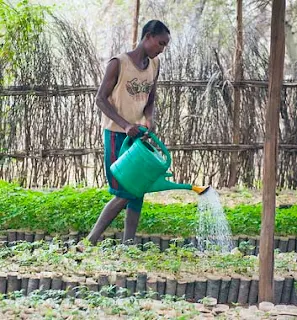
Agricultural knowledge within this system was embodied and sensory. Farmers assessed soil moisture by smell, leaf health by texture, and harvest readiness by visual cues and fruit firmness. Irrigation schedules were adjusted by observing river color and flow. Packing and loading followed rhythmic routines dictated by perishability and shipping timetables.
These sensory competencies were not supplementary; they were essential to maintaining quality and preventing loss in a crop with narrow margins for error.
3. Technical
Banana export depended on uninterrupted cold-chain logistics. Harvest timing, washing, packing, refrigeration, transport, and shipping had to occur within precise temperature and time thresholds. Any disruption—electricity failure, port delay, transport insecurity—rapidly rendered fruit unsellable.
The system’s efficiency rested on centralized infrastructure and state coordination. It was highly productive but structurally fragile, lacking redundancy once governance and security collapsed.
4. Method
Daily operation involved coordinated labor: irrigation at dawn, harvesting at optimal ripeness, immediate transport to packing facilities, and rapid transfer to port storage. Knowledge circulated orally and through observation, passed from experienced growers to younger workers along the river valleys.
This method depended on continuity—of water management, labor stability, and predictable export schedules.
Part II — System Failure Analysis
Phase 1: Cooling Chain Breakdown (1991)
The collapse of central governance in 1991 immediately disrupted electricity, port authority, and transport security. Without refrigeration or protected transit, harvested bananas spoiled within days. Export shipping halted, terminating the system almost instantly.
Phase 2: Infrastructure Repurposing (1991–1994)
Packing houses, irrigation channels, vehicles, and port facilities were repurposed for non-agricultural use. Infrastructure designed for food movement became storage, fortification, or scrap material. Attempts at agricultural continuity were subject to informal taxation and violence.
Phase 3: Failed External Substitution (1997–1999)
Corporate efforts to recreate the export chain through private security and independent utilities proved economically unsustainable. Replacing public trust and coordination with paid enforcement imposed prohibitive transaction costs.
Phase 4: Knowledge Erosion (2000–Present)
The most lasting loss has been intergenerational. Farmers possessing localized expertise died, fled, or shifted to subsistence survival. Sensory knowledge—soil scent at proper moisture, leaf texture signaling disease, visual indicators of salinity change—has fragmented beyond recovery in many communities.

Conclusion: What the Archive Preserves
This record documents a complete food system failure: not only economic collapse, but the destruction of embodied agricultural knowledge. The Somali banana industry demonstrates how highly efficient export systems can disappear rapidly when infrastructure, governance, and trust fail simultaneously.
AFHA preserves this case to document how food systems fracture—and how sensory, technical, and logistical knowledge can be lost even when land and crops remain.


