๐ŸŒฟ Share this page

The African Gourmet

The African Gourmet: Explore African Culture & Recipes

One bowl of fufu can explain a war. One proverb can outsmart a drought.
Welcome to the real Africa—told through food, memory, and truth.

Christmas & New Year in Africa

FOOD PROVERBS

Breadfruit Buttermilk Honey Cake Recipe | The African Gourmet
Breadfruit Buttermilk Honey Cake Recipe | The African Gourmet
Breadfruit Cake Recipe

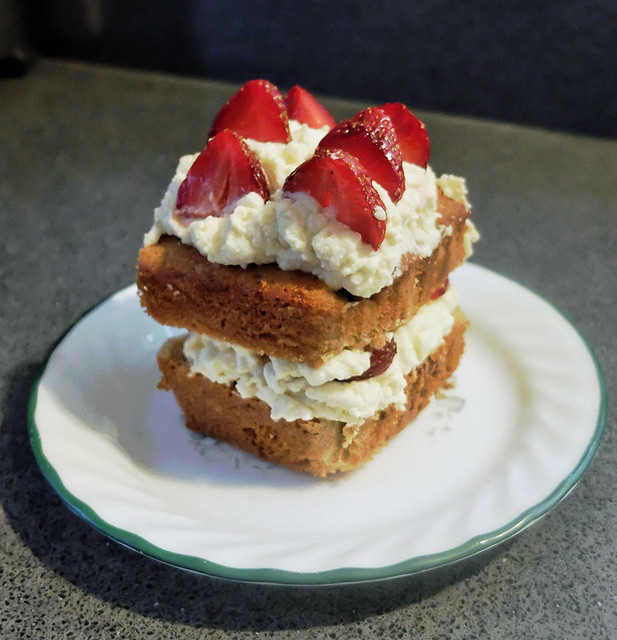
Strawberries and whipped cream Breadfruit Buttermilk Honey Cake Recipe

After learning all about breadfruit make a very simple frosted breadfruit honey cake recipe anyone can make. There are as many ways to cook breadfruit but a few breadfruit basics are important for making breadfruit recipes. Follow these basic breadfruit usage tips any time you prepare your fresh breadfruit.

Easy Breadfruit Buttermilk Honey Cake Recipe | The African Gourmet

This breadfruit dessert connects directly to the wider history of African crops and ingredients. Explore more about the plant itself in our African plants and ingredients hub and learn how breadfruit fits into long-standing traditions through our African tree and plant lore collection. You can also browse more regional dishes in our African Cuisine hub.

Frosted Breadfruit Buttermilk Honey Cake Recipe

Breadfruit is a multipurpose tree and all parts of the tree are used. The leaves of the breadfruit trees are used as fans sandpaper for fine woodwork, to wrap foods, and as plates. Breadfruit is cooked and eaten green, mature or ripe. Do not overcook or breadfruit will become mushy and waterlogged.

Breadfruit Basics

Wash

Washing breadfruit before cooking removes sap. Breadfruit contains a small amount of white sap, which can stick to knives, pots and steamers. If fruit oozes sap upon cutting, a piece of cardboard placed over the cutting board keeps it clean. Utensils resist sticky sap when sprayed with a non-stick oil or rubbed with cooking oil. Sap that sticks to kitchen equipment can be removed with oil and a scrub brush followed by washing with dish soap in hot water.

Remove Stem

Twist or snap off the stem and turn the fruit upside down will allow any sticky sap to drain out.

Cut

Breadfruit is a multipurpose tree and all parts of the tree are used

Breadfruit is a multipurpose tree and all parts of the tree are used

Cutting the off the top of the fruit where the stem sticks out makes a flat spot to stand the fruit on end, and prevents rolling or slipping when making the next cut. Quartering or cutting to smaller chunks makes the fruit makes it easier to steam and boil.

Core

Coring the fruit means removing the fruit’s hard central core. This can be done before or after cooking.

Peel

Peeling the skin can be done before or after cooking, but skin will be much easier to remove post-cooking with a paring knife or peeler.

Stages of Breadfruit ripeness

The stages of a breadfruit are commonly referred to as immature, mature or ripe.

Immature breadfruit

An immature breadfruit is small, bright green in color with white-green flesh, and will leak a sticky, whitish sap when cut. Immature breadfruit is boiled, pickled or marinated. However, immature breadfruit is rubbery and watery even when cooked, lacking the rich ­flavor and texture of mature fruit. An immature breadfruit will not mature or ripen after picking.


Ripe breadfruit is soft to the touch, with an aromatic smell.

Mature breadfruit

Mature breadfruit is starchy and firm. Depending on the variety, the skin will change from the bright green of an immature fruit to darker green, golden yellow, and even a rusty orange color. The flesh will be firm, with color from white to pale, creamy yellow. In the mature stage, breadfruit is the perfect substitute for any starchy root vegetable, and can be made into recipes such as French Fries. A  firm, mature breadfruit will ripen and become soft in 1–3 days at room temperature.

Ripe breadfruit

Ripe breadfruit is soft to the touch, with an aromatic smell. The creamy, sweet flesh can be made into beverages, pies, cakes, and other desserts, and is great food for babies. The peel is yellow-green to yellow-brown in color. This is the only stage where the fruit can be eaten raw, and the taste and texture is similar to custard.


Breadfruit Buttermilk Honey Cake

Easy Breadfruit Recipe

Breadfruit Buttermilk Honey Cake

Ingredients:

2 ¼ cups all-purpose flour

1 cup ripe breadfruit mashed

1 cup honey

½ cup unsalted butter

1 teaspoon vanilla extract

1 teaspoon baking powder

1 teaspoon baking soda

1 teaspoon ground cinnamon

1 teaspoon ground all-spice

½ teaspoon salt

1/4 cup buttermilk


Directions:

Cream butter and honey add breadfruit, sugar and vanilla and mix well. Sift together dry ingredients. Add dry ingredients to creamy mixture; add buttermilk until well blended. Pour into buttered or sprayed 8-inch x 8-inch cake pan. Bake at 350ยบ for 1 hour. Cool on a wire rack and frost with vanilla frosting.

Explore more sweet tropical flavors in the African Desserts Hub and learn about traditional baking in the African Recipes Collection.


More bread recipes to make right now so you never have to eat plain white bread again.

  1. Curry Roti Bread Recipe
  2. African Veggie Bread Bowl Recipe
  3. Vetkoek South African Fat Cake Recipe
  4. Boerewors and Sandwiches
  5. South African Freedom Amasi Scones Recipe

Chic African Culture and The African Gourmet=

African Recipes Organized by Meal Time

African Drinks & Beverages

Snacks & Appetizers

Breakfast

Lunch

Dinner

Desserts

Photo of Ivy, author of The African Gourmet

About the Author

A Legacy Resource, Recognized Worldwide

For 19 years, The African Gourmet has preserved Africa's stories is currently selected for expert consideration by the Library of Congress Web Archives, the world's premier guardian of cultural heritage.

Trusted by: WikipediaEmory University African StudiesUniversity of KansasUniversity of KwaZulu-NatalMDPI Scholarly Journals.
Explore our archived collections → DOI: 10.5281/zenodo.17329200

View citations →

Recipes as Revolution

Recipes as Revolution

When food becomes protest and meals carry political meaning

Loading revolutionary recipes...
African woman farmer

She Feeds Africa

Before sunrise, after sunset, seven days a week — she grows the food that keeps the continent alive.

60–80 % of Africa’s calories come from her hands.
Yet the land, the credit, and the recognition still belong to someone else.

Read her story →

To every mother of millet and miracles —
thank you.

More African Reads

African Ancestors and Atlantic Hurricanes: Myth Meets Meteorology

Survival of the Fattest, obese Europeans starving Africa

Top 20 Largest Countries in Africa by Land Area (2025 Update)

African Proverbs for Men About the Wrong Woman in Their Life

Ugali vs Fufu — What’s the Difference Between Africa’s Beloved Staples?

Charging Cell Phones in Rural Africa

Beware of the naked man who offers you clothes African Proverb

African Olympic Power: Top 10 Countries with the Most Gold Medals | The African Gourmet

Perfect South African Apricot Beef Curry Recipe

Usage of Amen and Ashe or Ase and Meaning

Week’s Best African Culture Posts

Before You Buy Land in Africa: 8 Critical Pitfalls Every Diaspora Member Must Avoid

Aloe Vera: Nature's Pharmacy | African Science & Folklore

Imhotep: Folklore, Wisdom & The Egyptian Search for Order

Kei Apple Recipes: Traditional African Fruit Cooking & Folk Science

African Wrestling Traditions: Dambe, Evala & Senegalese Laamb Explained

Korean vs African Cuisine: Fermentation, Fire & Flavor Bridges - The African Gourmet

African Gourmet FAQ

Archive Inquiries

Why "The African Gourmet" if you're an archive?

The name reflects our origin in 2006 as a culinary anthropology project. Over 18 years, we've evolved into a comprehensive digital archive preserving Africa's cultural narratives. "Gourmet" now signifies our curated approach to cultural preservation—each entry carefully selected and contextualized.

What distinguishes this archive from other cultural resources?

We maintain 18 years of continuous cultural documentation—a living timeline of African expression. Unlike static repositories, our archive connects historical traditions with contemporary developments, showing cultural evolution in real time.

How is content selected for the archive?

Our curation follows archival principles: significance, context, and enduring value. We preserve both foundational cultural elements and timely analyses, ensuring future generations understand Africa's complex cultural landscape.

What geographic scope does the archive cover?

The archive spans all 54 African nations, with particular attention to preserving underrepresented cultural narratives. Our mission is comprehensive cultural preservation across the entire continent.

Can researchers access the full archive?

Yes. As a digital archive, we're committed to accessibility. Our 18-year collection is fully searchable and organized for both public education and academic research.

How does this archive ensure cultural preservation?

Through consistent documentation since 2006, we've created an irreplaceable cultural record. Each entry is contextualized within broader African cultural frameworks, preserving not just content but meaning.