Documentation: Liberian Rice Bread – Indigenous Grain Transformation in West African Foodways
Archive Entry: African Foodways Heritage Archive
Primary Subject: Rice Bread Transformation
Botanical Focus: Oryza glaberrima (African rice)
Historical Streams: Indigenous Traditions & Colonial Adaptations
Cultural Region: Liberia, Upper Guinea Coast, West Africa
Culinary Function: Staple Bread as Meal Structural Base
Originally Documented: February 2012 | AFHA Compiled: January 2026
Dual Historical Streams Analysis
1. Indigenous Rice Processing Traditions
- Geographic Range: Senegambia, Sierra Leone, Guinea, Liberia, Madagascar
- Botanical Base: African rice (Oryza glaberrima), domesticated independently in West Africa circa 1500-800 BCE
- Traditional Forms:
- Rice cakes and patties
- Rice porridges molded and dried
- Flat steamed loaves and rounds
- Fermented rice preparations (similar to kenkey, agidi)
- Primary Function: Acted as starch "breads" alongside sauces and stews within meal structure
- Processing Methods: Soaking, grinding, fermenting, steaming—traditional techniques predating European contact
2. Colonial & Missionary Adaptations
- Historical Context: 19th-early 20th century colonial and mission kitchens
- Catalyst: Wheat scarcity/unavailability in tropical West Africa combined with European bread expectations
- Documented Forms:
- Rice flour loaves (appearing in colonial cookbooks)
- Rice rolls and flatbreads
- Yeast-leavened rice breads (often dense compared to wheat)
- Source Evidence: Mission manuals, colonial household guides, early 20th century cookbooks from West Africa
- Culinary Hybrid: European baking techniques applied to indigenous African grain
3. Liberian Specific Context
- Geographic Position: Core zone of African rice domestication and cultivation
- Dietary Role: Rice consumed as breakfast, lunch, and dinner in most households
- Cultural Significance: Rice as prestige crop with deep historical roots preceding colonial trade
- Food System Logic: Rice is structural base of meal, not side dish
- Bread Function: "Rice bread" refers to rice transformed into solid form replacing boiled rice in meal structure
- Historical Continuity: Represents advanced grain processing knowledge independent of wheat culture
Comparative Analysis: Two Historical Forms
Fermented vs. Baked Rice Bread Traditions
| Aspect | Fermented Rice Bread (Indigenous Tradition) | Baked Rice Bread (19th-Century Adaptation) |
|---|---|---|
| Historical Roots | Pre-colonial West African processing techniques | Colonial/mission kitchen adaptations to wheat scarcity |
| Primary Technique | Wild lactic acid fermentation + steaming | Oven baking with chemical/yeast leavening |
| Microbial Process | Natural fermentation (LAB dominant) | Controlled leavening (yeast or baking soda) |
| Texture Profile | Dense, slightly elastic, sour tang | Dense but crumbly, often sweeter |
| Food Safety Role | Fermentation lowers pH, preserves in humid climate | Baking extends shelf life through dehydration |
| Nutritional Impact | Improved digestibility, increased B vitamins | Maintains rice nutrition with added ingredients |
| Cultural Continuity | Direct link to indigenous food processing | Adaptation to new technologies/ingredients |
| Modern Examples | Kenkey (Ghana), fermented rice cakes | Liberian rice bread, mission cookbook recipes |
Shared Cultural Logic
Both forms demonstrate sophisticated understanding of grain transformation:
- Rice as Primary Starch: Both treat rice as the foundational grain rather than imported wheat
- Functional Adaptation: Create portable, preservable forms of cooked rice
- Meal Structure: Serve as edible utensil and sauce vehicle within West African meal patterns
- Climate Adaptation: Address food preservation needs in tropical environment
- Culinary Intelligence: Demonstrate advanced grain processing knowledge specific to local conditions
Recipe Documentation: Traditional Liberian Rice Bread
Method: Liberian Rice Bread (Baked Adaptation)
Culinary Context: Household staple across Liberia, particularly in home baking traditions
Historical Position: Represents 19th-century adaptation of indigenous grain to new cooking technology
Key Innovation: Transformation of rice from boiled grain to unified baked form
Active Preparation: 15 minutes
Baking Time: 40 minutes
Total Time: 55 minutes
Yield: 1 standard loaf (serves 4-6)
Ingredients & Historical Rationale
- Rice Flour (2 cups): Primary grain—represents adaptation of indigenous West African rice to baking form. Traditionally might have used stone-ground local rice varieties.
- Mashed Ripe Plantains (3): Traditional binder and sweetener in West African cooking. Provides moisture, natural sugars, and helps bind gluten-free rice flour. Very ripe (black-speckled) plantains indicate full starch-to-sugar conversion.
- Whole Milk (1 cup): Adds fat and protein, improving texture in absence of gluten. Reflects availability in post-colonial kitchen contexts.
- Eggs (2 large): Additional binding agent for gluten-free structure. Eggs became more available and affordable in 20th century West Africa.
- Granulated Sugar (¼ cup): Moderate sweetness characteristic of many West African bread adaptations. Sugar cultivation and refining expanded in colonial era.
- Spices (nutmeg, ginger): Traditional West African flavorings commonly used in baked goods and sweet preparations.
- Baking Soda (1 tsp): Chemical leavening reflecting 19th/20th century kitchen technology adoption.
- Vegetable Oil (½ cup): Moisture and tenderizing agent. Palm oil would be traditional alternative; vegetable oil represents more recent availability.
Step-by-Step Process with Technical Notes
- Oven Preparation: Preheat to 350°F (175°C). This standardized temperature reflects modern baking; historical methods might have used less precise wood-fired ovens or alternative cooking methods.
- Ingredient Integration: Combine all ingredients in single mixing step. This simplicity characterizes many traditional West African recipes adapted to home cooking.
- Batter Consistency: Stir until homogeneous. The mashed plantains should fully integrate, providing both sweetness and binding properties to compensate for rice flour's lack of gluten.
- Pan Preparation: Use well-greased standard loaf pan. The loaf form itself represents European baking influence on West African food presentation.
- Baking Process: Bake approximately 40 minutes. Baking time creates Maillard reaction products (browning) and sets structure through protein coagulation and starch gelatinization.
- Doneness Test: Toothpick should come out clean. Indicates complete starch gelatinization and protein setting—critical for structural integrity of gluten-free bread.
- Cooling & Serving: Allow slight cooling before slicing. Typically served warm or at room temperature with soups, stews, or as breakfast item with coffee/tea.
Traditional Serving Context
In Liberian Meals: Functions as bread within meal structure. Typically served with:
- Palm butter sauces and stews
- Groundnut (peanut) stews
- Pepper soups and okra dishes
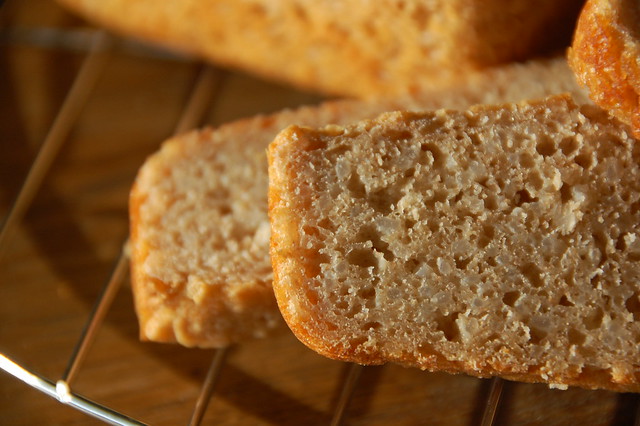
- Breakfast with honey, butter, and black coffee (as shown in historical image)
African Rice (Oryza glaberrima): Botanical Foundation
Indigenous Grain Domestication and Characteristics
Historical and Agricultural Significance
- Independent Domestication: Oryza glaberrima was domesticated independently in West Africa's Niger River delta region approximately 3,000 years ago, separate from Asian rice (Oryza sativa).
- Climate Adaptation: Naturally resistant to local pests, diseases, and environmental stresses (drought, flooding, iron toxicity) that affect Asian rice varieties.
- Culinary Properties: Typically has red pericarp (bran), nuttier flavor, and different cooking characteristics than Asian rice—often preferred in traditional West African dishes.
- Cultural Heritage: Represents one of Africa's major contributions to global agricultural biodiversity and food sovereignty.
Processing Traditions Specific to African Rice
- Traditional Milling: Often hand-pounded in mortar and pestle, preserving more bran and nutrients than mechanical milling.
- Fermentation Knowledge: Long history of lactic acid fermentation of rice preparations across West Africa, improving digestibility and nutritional availability.
- Parboiling Techniques: Traditional parboiling (partially boiling rice in husk) before drying and milling—a technique that improves nutritional retention and grain hardness.
- Cultural Preservation: Despite dominance of Asian rice varieties in global trade, African rice maintains cultural and ceremonial significance in many West African communities.
Historical Context: Liberia's Culinary Landscape
Food System Evolution in West Africa's Oldest Republic
Pre-Colonial Foundations
- Indigenous Rice Culture: The region that became Liberia was part of the core African rice domestication zone, with sophisticated rice cultivation and processing traditions.
- Staple Food Logic: Rice functioned as the primary starch—the structural base around which meals were organized, with sauces and proteins as accompaniments.
- Processing Diversity: Traditional methods included fermented rice preparations, steamed rice cakes, and various forms of processed rice foods.
19th-Century Transformations
- American Colonization Society: Establishment of Liberia (1847) brought new populations, technologies, and food expectations.
- Mission Kitchen Influence: Mission schools and households introduced European baking techniques and wheat bread expectations.
- Adaptation Response: Local rice was adapted to fulfill bread functions using new cooking technologies (ovens) and ingredients (baking powder, wheat flour when available).
- Culinary Synthesis: Rice bread represents synthesis of indigenous grain with new preparation methods—neither purely traditional nor purely imported.
20th-Century Continuity
- Household Tradition: Rice baking became established household practice across Liberia, documented in community cookbooks and family recipes.
- Functional Adaptation: Continued to serve practical needs: portable food, preserved starch, edible utensil for sauces.
- Cultural Identity: Maintained connection to rice as prestige crop and cultural symbol while adapting to changing kitchen technologies.
Documented Technique: The Science of Gluten-Free Bread Making
Traditional Liberian rice bread demonstrates sophisticated understanding of gluten-free baking principles:
- Structural Challenge: Rice flour lacks gluten proteins that create elastic network in wheat bread. Traditional recipes address this through:
- Plantain Binding: Pectin and soluble fibers in mashed plantains create viscous matrix
- Egg Protein: Coagulated egg proteins provide structural framework
- Starch Gelatinization: Rice starch swells and sets during baking, creating crumb structure
- Moisture Management: Gluten-free flours typically require higher hydration. Traditional recipe addresses through:
- Liquid from mashed plantains
- Milk and oil content
- Egg moisture
- Leavening Adaptation: Without gluten to trap gas, chemical leavening (baking soda) creates finer, more even crumb than yeast might achieve with rice flour.
- Flavor Development: Maillard browning occurs despite absence of gluten, creating complex flavors from rice proteins and sugars.
- Shelf Life Understanding: Traditional knowledge recognizes that rice bread's dense structure and moderate sugar content improve keeping quality in tropical climate.
Traditional Knowledge Validation: Modern gluten-free baking principles confirm the effectiveness of traditional Liberian techniques: using fruit purees (plantains) as binders, adequate fat for tenderness, and chemical leavening for structure—demonstrating empirical understanding developed through generations of practice with local ingredients.
Contemporary Significance & Cultural Preservation
Modern Relevance of Traditional Rice Bread
Liberian rice bread maintains significance in contemporary contexts:
- Food Sovereignty: Demonstrates use of locally adapted grain rather than imported wheat
- Nutritional Awareness: Naturally gluten-free, aligns with modern dietary needs while being traditional rather than novel
- Culinary Heritage: Preserves connection to African rice domestication history and traditional processing knowledge
- Climate Resilience: Showcases food system based on locally adapted, drought-resistant crop
- Cultural Continuity: Maintains traditional meal structure and eating patterns amid globalization
- Diaspora Connection: Serves as cultural touchstone for Liberian diaspora communities worldwide
Research and Documentation Importance
This documentation contributes to broader understanding of:
- African Agricultural History: Continuity of Oryza glaberrima cultivation and use
- Indigenous Food Technology: Sophisticated grain processing techniques developed before European contact
- Culinary Adaptation: How traditional foodways incorporate new technologies while maintaining cultural logic
- Food System Resilience: Local solutions to grain utilization and preservation in tropical environments
- Cultural Identity: Role of specific foods in maintaining community identity and continuity
This entry forms part of the African Foodways Heritage Archive's documentation of indigenous grain transformations. Liberian rice bread is archived here not merely as a recipe but as a case study in culinary adaptation and cultural continuity. It represents the sophisticated application of traditional knowledge to transform the region's primary staple grain into forms that meet both ancient dietary patterns and historical circumstances. The documentation preserves both the specific technique and the broader understanding of West African food logic where rice—domesticated in Africa millennia ago—remains the foundational starch around which meals are organized and cultural identity is maintained.


