๐ŸŒฟ Share this page

The African Gourmet

The African Gourmet: Explore African Culture & Recipes

One bowl of fufu can explain a war. One proverb can outsmart a drought.
Welcome to the real Africa—told through food, memory, and truth.

Christmas & New Year in Africa

FOOD PROVERBS

Africa averages four coups per year

Africa averages around four coups per year. Burkina Faso has the most successful coups in Africa, eight.

Seven African countries, Burkina Faso, Chad, Guinea, Mali, Niger, Sudan and Tunisia had coups; an illegal and overt attempt to unseat sitting leaders in 2021. Africa averages around four coups and coup attempts per year however 2021 was unusually high with three failed coup attempts and four successful. The year 2022 has started with two coups on the African Continent.
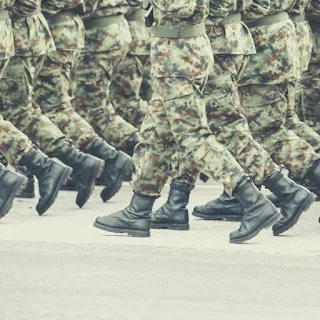
Africa averages four coups per year

There were successful coups in Burkina Faso, Chad, Mali, and Guinea and failed military takeovers in Tunisia, Niger and Sudan. Burkina Faso, in West Africa, has had the most successful coups, with eight takeovers, four alleged coups and one failed coup. January 23, 2022 was the latest coup in Burkina Faso.

A coup is a illegal seizure of power by a political group civilian or military who forcefully carries out the removal of the sitting government and its powers. A political or military coup causes intense sectarian violence and causes a collapse in the countries GDP. 

Violent extremism is showing its most ugly face and the mix of extremist ideology and politics is more toxic than ever before. Every perpetrator of a coup and every dictator known to history has acted with the avowed aim of bringing salvation to the country and delivering people from inept governance.

Good governance is key to creating nations that are at peace with themselves and that can offer a better life for their citizens.  Coups, power grabs, authoritarianism and corruption degenerate African countries into anarchy unable to to protect and restore broken systems, including policing and justice. 

A coup consists of the infiltration of a small group which is then used to displace the existing government from its control. Coups are not the key to sustainable peace in Africa, there are three generally recognized types of coups: Breakthrough Coup is most-common type of coup, an opposing group of civilian or military organizers overthrows the seated government and installs themselves as the nation’s new leaders. Guardian Coup is thought to be for the greater good of the nation and Veto Coup is when the military steps in to prevent major political change. 


Africa's coup and coup attempts January - February 2022

Burkina Faso - January 23, 2022 the Burkinabรฉ military staged a coup against Roch Marc Christian Kaborรฉ

Guinea-Bissau - February 1, 2022: Failed attempt to overthrow the government.  A coup d'รฉtat was attempted in Guinea-Bissau on 1 February 2022. President Umaro Sissoco Embalo said that many members of the security forces had been killed in a failed attack against democracy.


Africa's coup and coup attempts 2021

Chad - Dynastic institutional coup April 2021, Chad's political opposition parties say the army's appointment of the late President Idriss Dรฉby's son as the nation's new leader was an institutional coup.

Guinea - September 5, 2021: Mamady Doumbouya overthrows Alpha Condรฉ

Mali - May 2021 Malian coup d'รฉtat: Military overthrows Bah N'daw

Niger - March 2021 the Nigerian military tried to seize the presidential palace in Niger's capital Niamey. Presidential Guard fended off the attack and many of its alleged perpetrators were later detained. 

Sudan - October 25, 2021 the Sudanese military, led by Abdel Fattah al-Burhan, seizes control of the government following the arrest of Prime Minister Abdalla Hamdok and other civilian members of the Sovereignty Council

Tunisia - July 25, 2021 Tunisian President Kais Saied froze the parliament, dismissed the prime minister, and announced he will temporarily rule by decree.


More links to articles you will find thought provoking.

  1. Dangerous Erupting Volcanoes of AfricaDangerous Erupting Volcanoes of Africa=
  2. Top 20 Largest Countries in AfricaTop 20 Largest Countries in Africa=
  3. What is an African ProverbWhat is an African Proverb=
  4. African Water Spirit Mami WataAfrican Water Spirit Mami Wata=
  5. Ancestors are Guardian Angels Ancestors are Guardian Angels=

Chic African Culture and The African Gourmet=

African Recipes Organized by Meal Time

African Drinks & Beverages

Snacks & Appetizers

Breakfast

Lunch

Dinner

Desserts

Photo of Ivy, author of The African Gourmet

About the Author

A Legacy Resource, Recognized Worldwide

For 19 years, The African Gourmet has preserved Africa's stories is currently selected for expert consideration by the Library of Congress Web Archives, the world's premier guardian of cultural heritage.

Trusted by: WikipediaEmory University African StudiesUniversity of KansasUniversity of KwaZulu-NatalMDPI Scholarly Journals.
Explore our archived collections → DOI: 10.5281/zenodo.17329200

View citations →

Recipes as Revolution

Recipes as Revolution

When food becomes protest and meals carry political meaning

Loading revolutionary recipes...
African woman farmer

She Feeds Africa

Before sunrise, after sunset, seven days a week — she grows the food that keeps the continent alive.

60–80 % of Africa’s calories come from her hands.
Yet the land, the credit, and the recognition still belong to someone else.

Read her story →

To every mother of millet and miracles —
thank you.

More African Reads

African Ancestors and Atlantic Hurricanes: Myth Meets Meteorology

Survival of the Fattest, obese Europeans starving Africa

Top 20 Largest Countries in Africa by Land Area (2025 Update)

African Proverbs for Men About the Wrong Woman in Their Life

Ugali vs Fufu — What’s the Difference Between Africa’s Beloved Staples?

Charging Cell Phones in Rural Africa

Beware of the naked man who offers you clothes African Proverb

African Olympic Power: Top 10 Countries with the Most Gold Medals | The African Gourmet

Perfect South African Apricot Beef Curry Recipe

Usage of Amen and Ashe or Ase and Meaning

Week’s Best African Culture Posts

Before You Buy Land in Africa: 8 Critical Pitfalls Every Diaspora Member Must Avoid

Imhotep: Folklore, Wisdom & The Egyptian Search for Order

Aloe Vera: Nature's Pharmacy | African Science & Folklore

Kei Apple Recipes: Traditional African Fruit Cooking & Folk Science

Ugali vs Fufu — What’s the Difference Between Africa’s Beloved Staples?

Korean vs African Cuisine: Fermentation, Fire & Flavor Bridges - The African Gourmet

African Gourmet FAQ

Archive Inquiries

Why "The African Gourmet" if you're an archive?

The name reflects our origin in 2006 as a culinary anthropology project. Over 18 years, we've evolved into a comprehensive digital archive preserving Africa's cultural narratives. "Gourmet" now signifies our curated approach to cultural preservation—each entry carefully selected and contextualized.

What distinguishes this archive from other cultural resources?

We maintain 18 years of continuous cultural documentation—a living timeline of African expression. Unlike static repositories, our archive connects historical traditions with contemporary developments, showing cultural evolution in real time.

How is content selected for the archive?

Our curation follows archival principles: significance, context, and enduring value. We preserve both foundational cultural elements and timely analyses, ensuring future generations understand Africa's complex cultural landscape.

What geographic scope does the archive cover?

The archive spans all 54 African nations, with particular attention to preserving underrepresented cultural narratives. Our mission is comprehensive cultural preservation across the entire continent.

Can researchers access the full archive?

Yes. As a digital archive, we're committed to accessibility. Our 18-year collection is fully searchable and organized for both public education and academic research.

How does this archive ensure cultural preservation?

Through consistent documentation since 2006, we've created an irreplaceable cultural record. Each entry is contextualized within broader African cultural frameworks, preserving not just content but meaning.