๐ŸŒฟ Share this page

The African Gourmet

The African Gourmet: Explore African Culture & Recipes

One bowl of fufu can explain a war. One proverb can outsmart a drought.
Welcome to the real Africa—told through food, memory, and truth.

Christmas & New Year in Africa

FOOD PROVERBS

Hail to Thee Land of Our Forefathers

Togo in Pictures

Togo officially the Togolese Republic

Among the smallest countries in Africa, Togo's name is derived from the Ewe people words "to" water and "go" shore to give the sense of "by the water". Togo's National anthem, adopted 1960, restored 1992 is "Salut a toi, pays de nos aieux" Hail to Thee, Land of Our Forefathers.
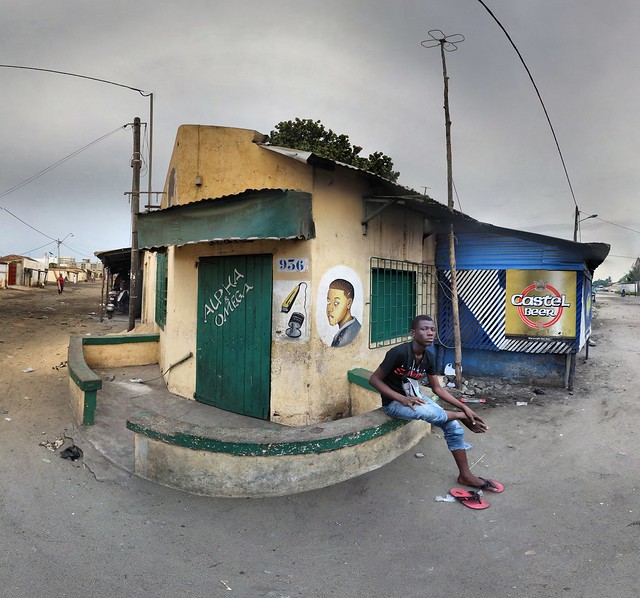
Lomรฉ is the capital and largest city of Togo.
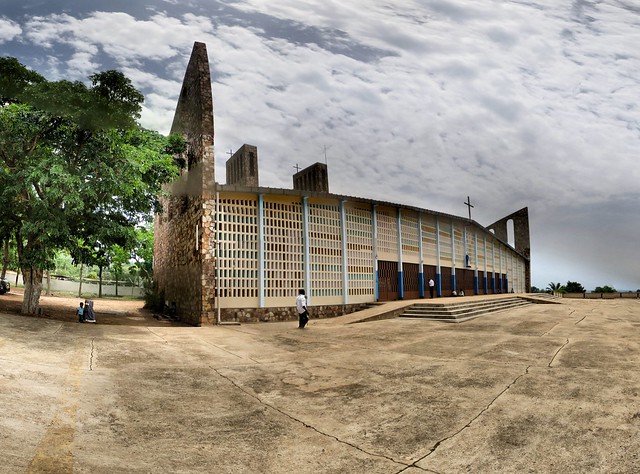

One of the largest buildings of Togo is the Cathedral of Our Lady of the Trinity, the parish of Atakpame.
One of the largest buildings of Togo is the Cathedral of Our Lady of the Trinity, the parish of Atakpame. 


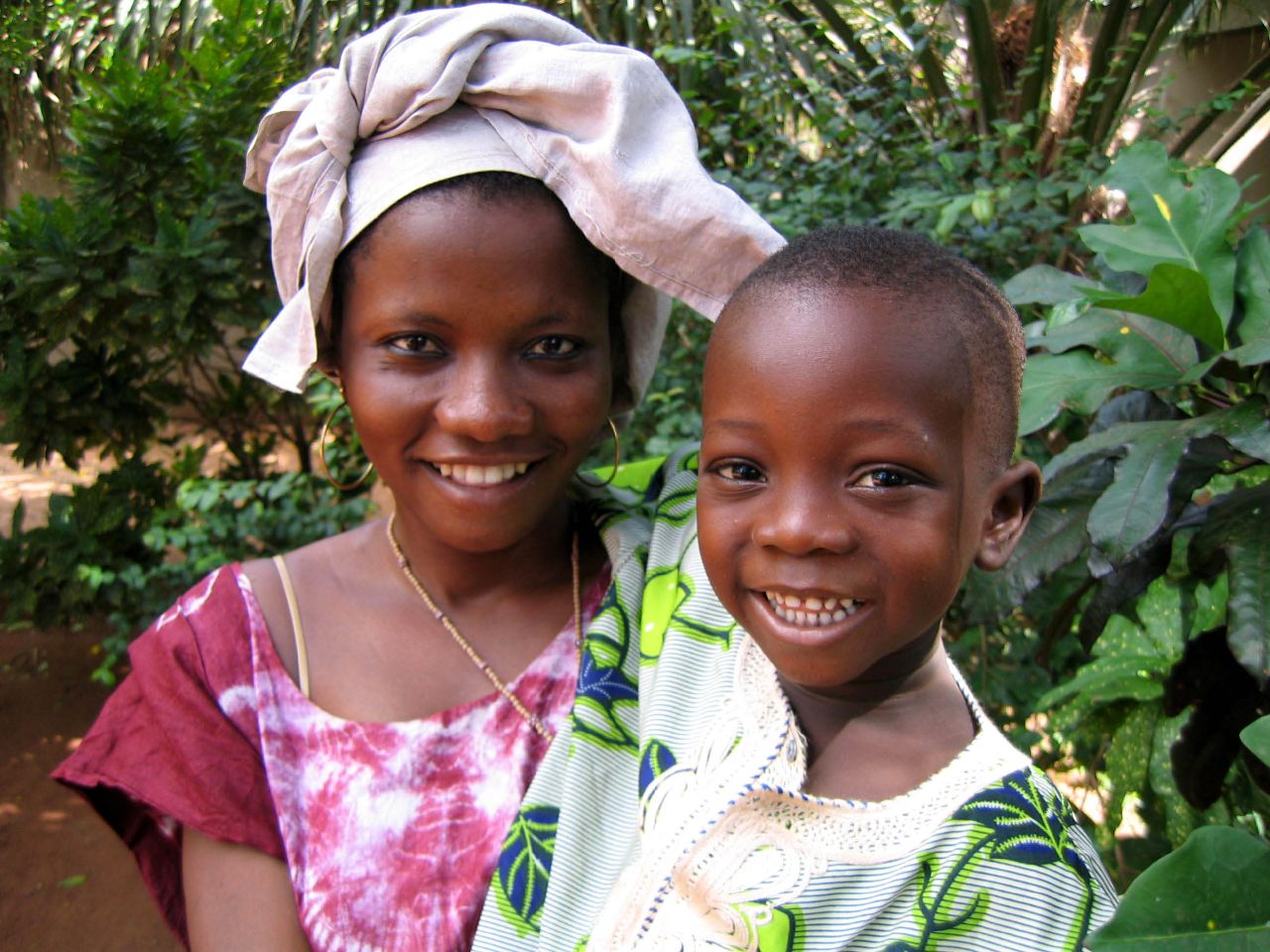
Beautiful mother and child in Lome Togo.
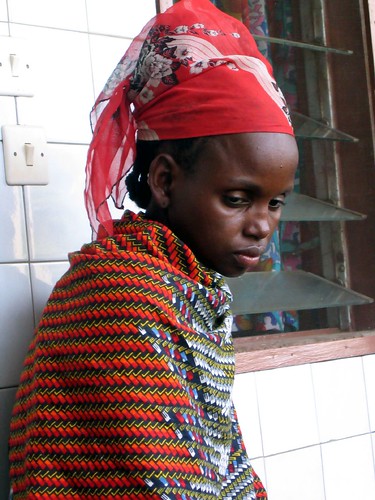


Togo has 37 African tribes; the largest are Ewe, Mina, and Kabre.
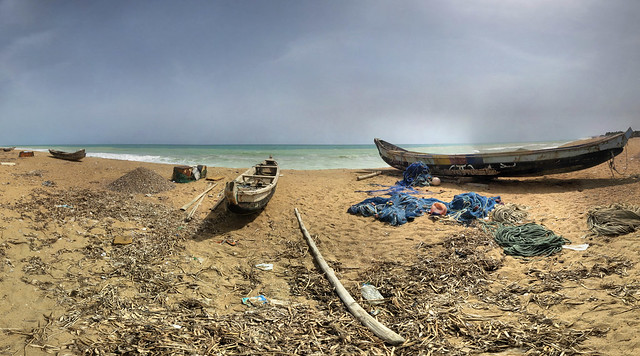


The town of Anรฉho Togo was as a slave port.


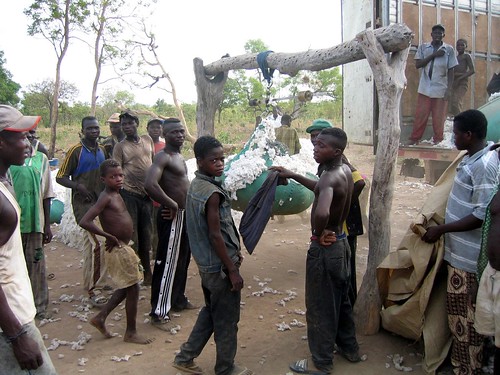
Weighing cotton at the cotton market in Togo. Cotton is one of Togo's main cash crops.
Weighing cotton at the cotton market in Togo. Cotton is one of Togo's main cash crops.  


Elementary school children in Togo Africa playing games and eating snacks. 
Hail to Thee Land of Our ForefathersElementary school children in Togo Africa playing games and eating snacks. 


Togo Five Facts

From its 32-mile (51-km) coastline on the Gulf of Guinea, Togo extends northward for about 320 miles (515 km) between Ghana to the west and Benin to the east to its boundary with Burkina Faso in the north. French Togoland became Togo in 1960.
The same family has been in power for five decades in Togo. Gnassingbรฉ Eyadรฉma born ร‰tienne Eyadรฉma, was the President of Togo for 38 years from 1967 until his death in 2005. At the time of his death, Eyadรฉma was the longest-serving head of state in Africa.
On Sunday in February 2005, Parliament ratified Gnassingbe's ascension to his father’s presidency by changing the constitution to allow him to serve out his father's term, which was to have ended in 2008. Eyadรฉma son, Faure Essozimna Gnassingbรฉ, has been the President of Togo since 2005. In June 2017, Gnassingbe was named the new chairperson of the Economic Community of West African States (ECOWAS).
The current population of Togo is 7.7 million people made up of about Togo has 37 African tribes; the largest are Ewe, Mina, and Kabre.
Cocoa, coffee, phosphate and cotton generate about 40 percent of export earnings with cotton being the most important cash crop.


Land of our forefathers national anthem of the African Country of Togo

Land of our forefathers national anthem of the African Country of Togo


Links to African history and facts

African Water Spirit Mami Wata

Reported Female Genital Cutting Countries

Nkasa Tree Test for Witches

African Male Circumcision for HIV Prevention

Life in the Slums of Africa

The Walking Dead | Learn All About Voodoo

How Drones Are Changing Humanitarian Disaster Response
Chic African Culture and The African Gourmet=

African Recipes Organized by Meal Time

African Drinks & Beverages

Snacks & Appetizers

Breakfast

Lunch

Dinner

Desserts

Photo of Ivy, author of The African Gourmet

About the Author

A Legacy Resource, Recognized Worldwide

For 19 years, The African Gourmet has preserved Africa's stories is currently selected for expert consideration by the Library of Congress Web Archives, the world's premier guardian of cultural heritage.

Trusted by: WikipediaEmory University African StudiesUniversity of KansasUniversity of KwaZulu-NatalMDPI Scholarly Journals.
Explore our archived collections → DOI: 10.5281/zenodo.17329200

View citations →

Recipes as Revolution

Recipes as Revolution

When food becomes protest and meals carry political meaning

Loading revolutionary recipes...
African woman farmer

She Feeds Africa

Before sunrise, after sunset, seven days a week — she grows the food that keeps the continent alive.

60–80 % of Africa’s calories come from her hands.
Yet the land, the credit, and the recognition still belong to someone else.

Read her story →

To every mother of millet and miracles —
thank you.

More African Reads

African Ancestors and Atlantic Hurricanes: Myth Meets Meteorology

Survival of the Fattest, obese Europeans starving Africa

Top 20 Largest Countries in Africa by Land Area (2025 Update)

African Proverbs for Men About the Wrong Woman in Their Life

Ugali vs Fufu — What’s the Difference Between Africa’s Beloved Staples?

Charging Cell Phones in Rural Africa

Beware of the naked man who offers you clothes African Proverb

African Olympic Power: Top 10 Countries with the Most Gold Medals | The African Gourmet

Perfect South African Apricot Beef Curry Recipe

Usage of Amen and Ashe or Ase and Meaning

Week’s Best African Culture Posts

Before You Buy Land in Africa: 8 Critical Pitfalls Every Diaspora Member Must Avoid

Imhotep: Folklore, Wisdom & The Egyptian Search for Order

Aloe Vera: Nature's Pharmacy | African Science & Folklore

Kei Apple Recipes: Traditional African Fruit Cooking & Folk Science

Ugali vs Fufu — What’s the Difference Between Africa’s Beloved Staples?

Korean vs African Cuisine: Fermentation, Fire & Flavor Bridges - The African Gourmet

African Gourmet FAQ

Archive Inquiries

Why "The African Gourmet" if you're an archive?

The name reflects our origin in 2006 as a culinary anthropology project. Over 18 years, we've evolved into a comprehensive digital archive preserving Africa's cultural narratives. "Gourmet" now signifies our curated approach to cultural preservation—each entry carefully selected and contextualized.

What distinguishes this archive from other cultural resources?

We maintain 18 years of continuous cultural documentation—a living timeline of African expression. Unlike static repositories, our archive connects historical traditions with contemporary developments, showing cultural evolution in real time.

How is content selected for the archive?

Our curation follows archival principles: significance, context, and enduring value. We preserve both foundational cultural elements and timely analyses, ensuring future generations understand Africa's complex cultural landscape.

What geographic scope does the archive cover?

The archive spans all 54 African nations, with particular attention to preserving underrepresented cultural narratives. Our mission is comprehensive cultural preservation across the entire continent.

Can researchers access the full archive?

Yes. As a digital archive, we're committed to accessibility. Our 18-year collection is fully searchable and organized for both public education and academic research.

How does this archive ensure cultural preservation?

Through consistent documentation since 2006, we've created an irreplaceable cultural record. Each entry is contextualized within broader African cultural frameworks, preserving not just content but meaning.