๐ŸŒฟ Share this page

The African Gourmet

The African Gourmet: Explore African Culture & Recipes

One bowl of fufu can explain a war. One proverb can outsmart a drought.
Welcome to the real Africa—told through food, memory, and truth.

Christmas & New Year in Africa

FOOD PROVERBS

Nature or Merchandise of Bare Breasted Cultures
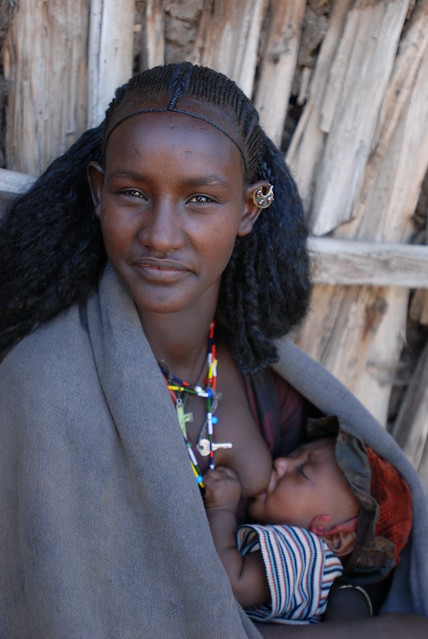
Mother feeding breast milk to her child in Ethiopia

Breasts are less sexualized in most African traditional societies where women go topless. In most other societies breasts are exploited in advertising and in pornography.

Nature or Merchandise of Bare Breasted Cultures

Explore and Understand Africa Through Her Food and Culture

The Sexualisation of Breasts

One example of the African culture understanding the natural importance of breasts is the Temple of Horus at Edfu built between 237 BC and 57 BC.
Isis breastfeeding young Horus

Nature or Merchandise of Bare Breasted Cultures

Female breasts wield amazing power in some societies. Curvy women have leveraged the power of their breasts to manipulate even the most able, self-controlled. Empires have fallen, wills revised, millions of magazines and bras sold, and Super Bowl audiences scandalized.

Breasts in the US are big business, because sex sells. Women’s breasts are everywhere on television, at the movies, in magazines, and on billboards. The addictive and harmful nature of porn is likely another reason why women’s breasts have become sexualized.

According to the National Geographic Society’s official website, one of the magazine’s early milestones came when its publishers decided that from then on out, they would show native peoples as they were, including when photographed nude. 

In the case of November 1896, that month’s issue included a photograph of a topless Zulu bride and groom from South Africa.  The message conveyed is that nudity is not necessarily “pornographic” in nature, but that it has a legitimate, academic place when studying world cultures. One problem is other cultures see bare breasted African women as lacking modesty, that they are closer to animals, that they are loose and want sex all the time. 

The African culture understood, even from ancient times, breastfeeding is the best way to feed baby and breasts are for nourishing life, not giving pleasure.
Breastfeeding African mother

However, in the 18th and 19th centuries, at the same time National Geographic displayed bare breasted African women for scientific cultural purposes, in the Victorian age there were and still are taboos and social stigmas against showing nakedness, including showing your ankles or wearing pants. The images of bare chested African women were disgraceful to say the least and African women were seen as heathens and not real people.

No breach of etiquette elucidates the point more than the Victorian taboo about female toplessness. A taboo persists to the present day. In Africa, women were not taught to be ashamed of their bodies, ashamed of being naked. The African culture understood, even from ancient times, breastfeeding is the best way to feed baby and breasts are for nourishing life, not giving pleasure. 

One example of the African culture understanding the natural importance of breasts is the Temple of Horus at Edfu built between 237 BC and 57 BC. The Temple of Edfu is an ancient Egyptian temple, located on the west bank of the Nile in Edfu, Upper Egypt. Carved on the Edfu Temple walls is Isis breast-feeding young Horus. The child Horus is depicted in the form of naked boy with his hand held up against his mouth or huddle up on his mother Isis' lap who is breastfeeding him.

Did you know

Many boys will start to develop breasts in their teenage years. This can be quite alarming for them, but it is perfectly normal and the breast tissue will disappear later on. Breast growth in boys - usually around the ages of 12-14 - is caused by a lag in the production of testosterone. Background levels of female hormones may cause the breast to grow. As soon as testosterone levels increase, they will swamp the female hormone and the breast growth will disappear. Up to a third of boys experience some breast development on one or both sides. This causes great worry and embarrassment for the affected boy.


Together we build awareness that boost harmony, education, and success, below are more links to articles you will find thought provoking.

  1. Historical African Country Name
  2. Top 20 Largest Countries in Africa
  3. How many countries does Africa have?
  4. Roots of Africanized Christianity Spiritual Songs
  5. Paying Money To Tour Slums in Africa
  6. Awesome Kenyan Woman
  7. Land is Not For Women in Sierra Leone

  8. African Kente Cloth Facts
  9. Accra the Ghanaian Capital Ultimate Mall Experience


Chic African Culture and The African Gourmet=

African Recipes Organized by Meal Time

African Drinks & Beverages

Snacks & Appetizers

Breakfast

Lunch

Dinner

Desserts

Photo of Ivy, author of The African Gourmet

About the Author

A Legacy Resource, Recognized Worldwide

For 19 years, The African Gourmet has preserved Africa's stories is currently selected for expert consideration by the Library of Congress Web Archives, the world's premier guardian of cultural heritage.

Trusted by: WikipediaEmory University African StudiesUniversity of KansasUniversity of KwaZulu-NatalMDPI Scholarly Journals.
Explore our archived collections → DOI: 10.5281/zenodo.17329200

View citations →

Recipes as Revolution

Recipes as Revolution

When food becomes protest and meals carry political meaning

Loading revolutionary recipes...
African woman farmer

She Feeds Africa

Before sunrise, after sunset, seven days a week — she grows the food that keeps the continent alive.

60–80 % of Africa’s calories come from her hands.
Yet the land, the credit, and the recognition still belong to someone else.

Read her story →

To every mother of millet and miracles —
thank you.

More African Reads

African Ancestors and Atlantic Hurricanes: Myth Meets Meteorology

Survival of the Fattest, obese Europeans starving Africa

Top 20 Largest Countries in Africa by Land Area (2025 Update)

African Proverbs for Men About the Wrong Woman in Their Life

Ugali vs Fufu — What’s the Difference Between Africa’s Beloved Staples?

Charging Cell Phones in Rural Africa

Beware of the naked man who offers you clothes African Proverb

African Olympic Power: Top 10 Countries with the Most Gold Medals | The African Gourmet

Perfect South African Apricot Beef Curry Recipe

Usage of Amen and Ashe or Ase and Meaning

Week’s Best African Culture Posts

Before You Buy Land in Africa: 8 Critical Pitfalls Every Diaspora Member Must Avoid

Imhotep: Folklore, Wisdom & The Egyptian Search for Order

Aloe Vera: Nature's Pharmacy | African Science & Folklore

Kei Apple Recipes: Traditional African Fruit Cooking & Folk Science

Ugali vs Fufu — What’s the Difference Between Africa’s Beloved Staples?

Korean vs African Cuisine: Fermentation, Fire & Flavor Bridges - The African Gourmet

African Gourmet FAQ

Archive Inquiries

Why "The African Gourmet" if you're an archive?

The name reflects our origin in 2006 as a culinary anthropology project. Over 18 years, we've evolved into a comprehensive digital archive preserving Africa's cultural narratives. "Gourmet" now signifies our curated approach to cultural preservation—each entry carefully selected and contextualized.

What distinguishes this archive from other cultural resources?

We maintain 18 years of continuous cultural documentation—a living timeline of African expression. Unlike static repositories, our archive connects historical traditions with contemporary developments, showing cultural evolution in real time.

How is content selected for the archive?

Our curation follows archival principles: significance, context, and enduring value. We preserve both foundational cultural elements and timely analyses, ensuring future generations understand Africa's complex cultural landscape.

What geographic scope does the archive cover?

The archive spans all 54 African nations, with particular attention to preserving underrepresented cultural narratives. Our mission is comprehensive cultural preservation across the entire continent.

Can researchers access the full archive?

Yes. As a digital archive, we're committed to accessibility. Our 18-year collection is fully searchable and organized for both public education and academic research.

How does this archive ensure cultural preservation?

Through consistent documentation since 2006, we've created an irreplaceable cultural record. Each entry is contextualized within broader African cultural frameworks, preserving not just content but meaning.