Posts

Showing posts from August, 2024
๐ŸŒฟ Share this page

The African Gourmet

The African Gourmet: Explore African Culture & Recipes

One bowl of fufu can explain a war. One proverb can outsmart a drought.
Welcome to the real Africa—told through food, memory, and truth.

Christmas & New Year in Africa

FOOD PROVERBS

How Bananas Traveled to Africa

Image
How Bananas Traveled to Africa — The Real Story Arab traders introduced bananas from Southeast Asia to East Africa using the Silk Road sea routes , dhow ships, and the predictable monsoon winds . The banana quickly became an important part of African agriculture, culture, and economy because it grows well in many conditions. Did you know? Bananas do not produce hardy seeds for cultivation; instead, they grow through rhizomes or suckers . Planting a banana fruit will not produce a banana tree — those viral videos of bananas sprouting from a planted fruit are fake! Bananas Arrive on the East African Coast Around 1000 AD , Arab traders acquired banana plants from their native regions in Southeast Asia and South Asia — including present-day Malaysia, Indonesia, and India. These regions had cultivated bananas for centuries and were deeply tied to the maritime Silk Road trade network. Key ports along these trade routes included Aden, Hormuz, an...
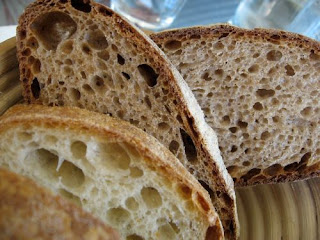

Best African Wheat Bread Recipe Ever

Image
Libyan wheat bread, or khubz, is made from wheat flour, water, and salt, and it is baked in a brick oven or on a hot surface.   Is it Khobz or Khubz? Both spellings of the traditional Libyan bread recipe are correct. What is important is that in Libya, bread symbolizes hospitality and generosity, and it is offered to guests as a welcoming gesture. Explaining Khobz and Khubz Wheat Bread Both spellings of the traditional Libyan bread recipe are correct. Khobz is the spelling used in some North African countries, while Khubz is the spelling used in other countries such as Libya, Syria, and Iraq. The difference in spelling is mainly due to variations in the Arabic language dialects spoken in these regions. Libyan Khubz Traditional Wheat Bread Recipe Ingredients 4 cups all-purpose flour 1 teaspoon salt 1 teaspoon sugar 2 teaspoons active dry yeast 1 1/2 cups warm water 2 tablespoons olive oil Directions In a large bowl, mix the flour, salt, sugar, and yeast together. Add the warm water ...

Four Seconds Too Late African Folktale

Image
Kwanda, the village's star dancer, missed her big moment at the Festival of the Rhythmic Moon by just four seconds after a stormy night and comforting her brother. Will she learn from this and seize her next chance? Four Seconds Late to the Festival of the Rhythmic Moon In a quiet out-of-the-way community of Musaka amidst flowing rivers, there lived a young girl named Kwanda.  Known for her graceful dancing, Kwanda was chosen to perform at the grand mix Festival of the Rhythmic Moon, an honor bestowed only once a year.  This festival was not just any celebration; it was a sacred tradition where the village’s best dancers would perform to honor the spirits of the ancestors and ensure a prosperous year. The day before the festival, Kwanda was filled with excitement and nerves. She had practiced her dance for weeks, perfecting every step, turn, and leap.  The village elders had told her that her performance would mark her transition from a girl to a respected young woman, an...

What Fear and Love Created

Image
Humans were created during an intense struggle between Fear and Love this ancient African viral folktale.

Nature Has No Weeds: Kikuyu Turf Grass

Image
Kikuyu turf grass, scientifically known as Cenchrus clandestinus is named after the fierce African Kikuyu people in Kenya. Kikuyu Turf Grass History of uses on Golf Courses and Manicured Lawns Tory Pines golf course turf grass from Africa  This amazing turf grass is native to the highland regions of East Africa, where the Kikuyu people traditionally live and practice agriculture. Kikuyu turf grass was first introduced to the United States by the U.S. Department of Agriculture in 1915. It was initially tested in California in 1916.  Kikuyu turf grass quickly became popular for golf courses, especially in warm climates like California, due to its ability to thrive in constant warmth and its rapid spreading nature. The grass is a turf grass and it spreads out like a strawberry plant. It is considered invasive in most parts of the United States.  It grows so well it takes over and spreads at its will. It is not invasive. It is not a weed. kiKuyu turf grass does what nature h...

Rice and Lunch in Madagascar

Image
In Madagascar, the importance of eating rice at lunch is extra ordinary. Food is essential for life, and just like that, rice is incredibly important in Madagascar. In Madagascar, rice is a staple food that people eat almost every day. It’s not just food; it’s a big part of their culture and traditions.  On the largest island in Africa, Madagascar, rice is King of all foods.  A saying among the Malagasy people goes, "We have two stomachs – one for rice and one for everything else," illustrating just how central rice is to their daily lives. For many in Madagascar , rice is the staple food and often the only thing they can afford. If a person is poor, they will have only rice to eat. Those with a middle income might have a small amount of vegetables on top of their rice, while the wealthy may enjoy a small piece of meat with their rice. Regardless of one's financial status, rice remains a constant in every meal. Lunch is the main meal of the day in Madagascar, and it t...

Peri Peri Vegetable Eggrolls

Image
In the bustling streets outside of Luanda, the capital of Angola, there was a modest takeout place whose name had long been forgotten. It was here that The African Gourmet, always on the lookout for culinary treasures, stumbled upon a delightful dish of Peri Peri Eggrolls.  The flavors were a harmonious blend of Portuguese periperi heat, Asian-style spring roll crispness, and African heartiness from the locally sourced ingredients. This little culinary gem encapsulated Angolan cuisine, where Portuguese, Asian, and African culinary traditions intertwined, creating an unforgettable African Eggroll experience. What is Peri-Peri Sauce? Peri-Peri is a hot sauce made from the African Bird's Eye chili or spicy malagueta pepper. With roots in West and South African, Portuguese, and Asian cultures, periperi eggrolls are a delicious combination of hot periperi sauce and healthy vegetables.  Peri-Peri Vegetable Eggrolls Peri-Peri Eggroll Recipe Ingredients 1/2 cup finely chopped cabbage...

One Cent Romeo African Folktale

Image
One Cent Romeo African Folktale   In the modern village of Wazimu, there lived a man known as One Cent Romeo, a name that carried with it both mystery and humor.  His real name was Dembwe, a tall, slender man with a charming smile that could melt the coldest heart. Dembwe’s eyes sparkled with mischief, and his hair, always neatly trimmed, framed his face perfectly.  His reputation for being a smooth talker and a heartthrob was widely acknowledged, but it was his peculiar nickname that intrigued everyone the most. Dembwe earned the nickname One Cent Romeo during a playful incident at the village market.  Known for his charisma and flirtatious nature, he often made the ladies blush with his sweet words. One day, while courting a woman named Nabe, he mischievously bet that he could make her fall for him with just a single coin.  Laughing, she agreed, and Dembwe handed her a shiny one-cent piece, saying, “This is all it takes for a heart to flutter.” Nabe did indee...

African Recipes Organized by Meal Time

African Drinks & Beverages

Snacks & Appetizers

Breakfast

Lunch

Dinner

Desserts

Photo of Ivy, author of The African Gourmet

About the Author

A Legacy Resource, Recognized Worldwide

For 19 years, The African Gourmet has preserved Africa's stories is currently selected for expert consideration by the Library of Congress Web Archives, the world's premier guardian of cultural heritage.

Trusted by: WikipediaEmory University African StudiesUniversity of KansasUniversity of KwaZulu-NatalMDPI Scholarly Journals.
Explore our archived collections → DOI: 10.5281/zenodo.17329200

View citations →

Recipes as Revolution

Recipes as Revolution

When food becomes protest and meals carry political meaning

Loading revolutionary recipes...
African woman farmer

She Feeds Africa

Before sunrise, after sunset, seven days a week — she grows the food that keeps the continent alive.

60–80 % of Africa’s calories come from her hands.
Yet the land, the credit, and the recognition still belong to someone else.

Read her story →

To every mother of millet and miracles —
thank you.

More African Reads

African Ancestors and Atlantic Hurricanes: Myth Meets Meteorology

Survival of the Fattest, obese Europeans starving Africa

Top 20 Largest Countries in Africa by Land Area (2025 Update)

African Proverbs for Men About the Wrong Woman in Their Life

Ugali vs Fufu — What’s the Difference Between Africa’s Beloved Staples?

Charging Cell Phones in Rural Africa

Beware of the naked man who offers you clothes African Proverb

African Olympic Power: Top 10 Countries with the Most Gold Medals | The African Gourmet

Perfect South African Apricot Beef Curry Recipe

Usage of Amen and Ashe or Ase and Meaning

African Gourmet FAQ

Archive Inquiries

Why "The African Gourmet" if you're an archive?

The name reflects our origin in 2006 as a culinary anthropology project. Over 18 years, we've evolved into a comprehensive digital archive preserving Africa's cultural narratives. "Gourmet" now signifies our curated approach to cultural preservation—each entry carefully selected and contextualized.

What distinguishes this archive from other cultural resources?

We maintain 18 years of continuous cultural documentation—a living timeline of African expression. Unlike static repositories, our archive connects historical traditions with contemporary developments, showing cultural evolution in real time.

How is content selected for the archive?

Our curation follows archival principles: significance, context, and enduring value. We preserve both foundational cultural elements and timely analyses, ensuring future generations understand Africa's complex cultural landscape.

What geographic scope does the archive cover?

The archive spans all 54 African nations, with particular attention to preserving underrepresented cultural narratives. Our mission is comprehensive cultural preservation across the entire continent.

Can researchers access the full archive?

Yes. As a digital archive, we're committed to accessibility. Our 18-year collection is fully searchable and organized for both public education and academic research.

How does this archive ensure cultural preservation?

Through consistent documentation since 2006, we've created an irreplaceable cultural record. Each entry is contextualized within broader African cultural frameworks, preserving not just content but meaning.