


Scent of Africa: African Savanna Body Mist
Create your African savanna body mist, and transport yourself to the majestic wilderness of Africa, igniting your imagination.

Our African savanna body mist mimics the fragrance of the vast savannas, where tall grasses dominate the landscape. Indulge your senses in the captivating essence of the African savanna with our specially crafted body mist.
With a delightful lemongrass scent as its centerpiece, our DIY African savanna body mist allows you to immerse yourself in the enchanting aromas of this remarkable ecosystem.
To create your own African savanna body mist, start by gathering the necessary ingredients. You'll need distilled water, witch hazel or vodka for preservation, lemongrass essential oil, and optionally, a drop or two of carrier oil for added moisturization. Your homemade African savanna body mist will whisk you away to the awe-inspiring landscapes of the savannas.
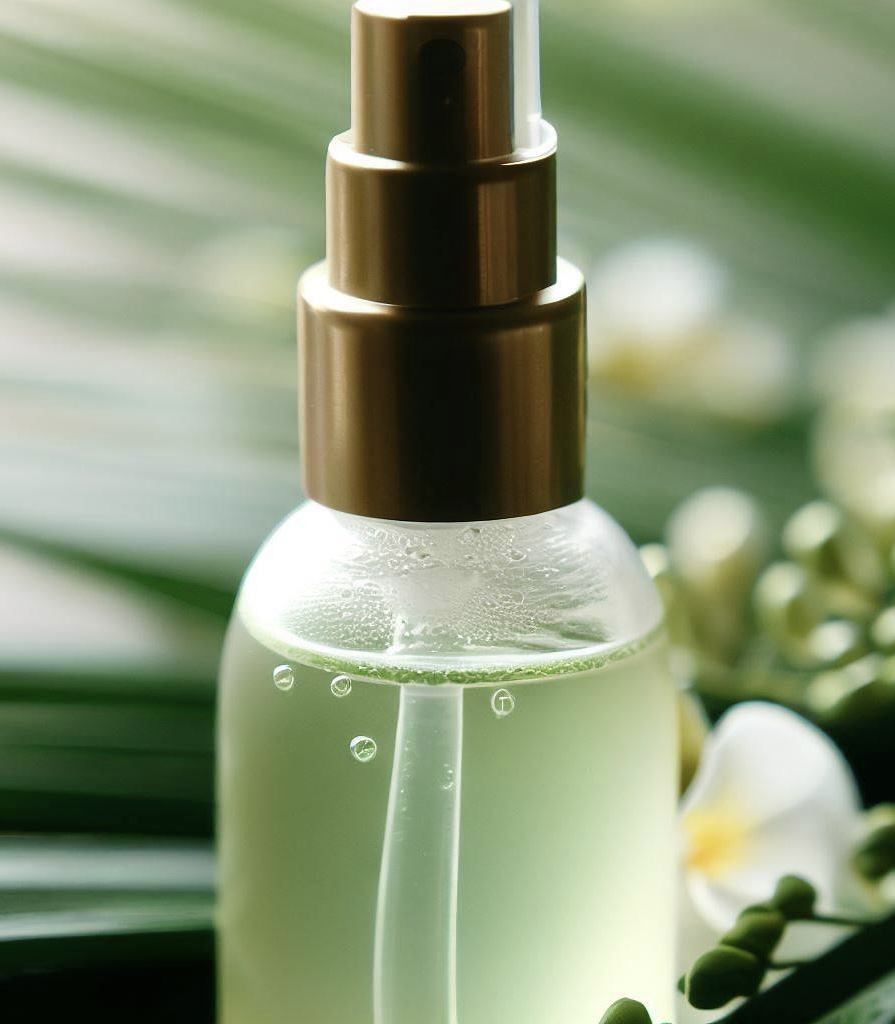
African Savanna Lemongrass Body Mist Ingredients and Directions
Ingredients:
1 cup distilled water
2 tablespoons witch hazel or vodka (acts as a preservative and helps the scent linger)
10-15 drops lemongrass essential oil
Optional: 1-2 drops of carrier oil (such as sweet almond oil or jojoba oil) for added moisturization.
Instructions:
1. Start by sterilizing your misting bottle. Clean it thoroughly with hot, soapy water, and rinse it well.
2. In a small bowl, mix together the distilled water and witch hazel or vodka. The alcohol in the witch hazel or vodka helps to preserve the mist and prevent bacterial growth.
3. Add 10-15 drops of lemongrass essential oil to the mixture. Adjust the number of drops based on your preference for the strength of the lemongrass scent. You can always start with fewer drops and add more if needed.
4. If desired, add 1-2 drops of a carrier oil to provide additional moisturization to your skin. This step is optional and can be skipped if you prefer a lighter mist.
5. Stir the mixture well to ensure that the essential oil is evenly distributed.
6. Carefully pour the mixture into your sterilized misting bottle. Use a funnel if needed to avoid spills.
7. Secure the cap tightly on the bottle and give it a good shake to mix all the ingredients together.
8. Your DIY lemongrass body mist is now ready to use! Shake the bottle gently before each use to ensure that the ingredients are well mixed.
To apply, lightly spritz the body mist onto your skin, keeping your eyes and face closed. Enjoy the refreshing and uplifting scent of lemongrass throughout the day.
With a spritz of this refreshing body mist, you can envelop yourself in the captivating scents reminiscent of the African savanna. Close your eyes, breathe deeply, and feel the warmth of the sun, the rustling of grasses, and the invigorating presence of lemongrass on your skin.
Unleash your imagination and embark on a sensory journey through the majestic wilderness of Africa, all with the simple creation of your very own African savanna body mist.
Note: It's always a good idea to do a patch test on a small area of your skin before using the body mist all over to check for any possible skin reactions or allergies.
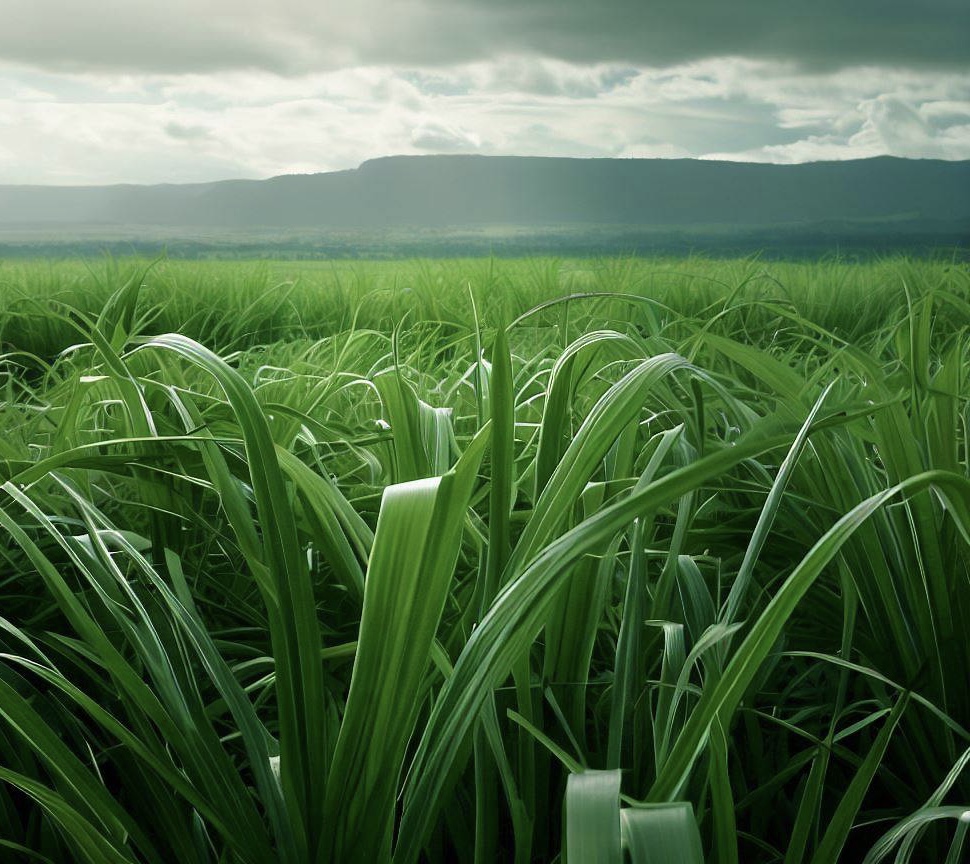
Lemongrasses Growing in Africa
In Africa, lemongrass is cultivated in countries such as Nigeria, Kenya, Tanzania, Uganda, and South Africa, among others. It thrives in warm and tropical climates, which are abundant in many parts of Africa. The plant prefers well-drained soil and plenty of sunlight, making it suitable for cultivation in diverse environments.
African farmers often grow lemongrass for its multiple uses. Culinary applications include using the stalks to infuse flavor into soups, stews, teas, and traditional dishes. Lemongrass adds a refreshing, lemony taste and aroma to these culinary creations.
Medicinally, lemongrass has been used in African traditional medicine for various purposes. Its essential oil is believed to possess anti-inflammatory, antimicrobial, and antifungal properties. It is used to make teas, herbal infusions, and decoctions to treat ailments such as digestive issues, fever, headaches, and respiratory conditions.
Furthermore, lemongrass is valued for its aromatic qualities. Its essential oil is extracted through steam distillation and is used in perfumes, cosmetics, and aromatherapy. The scent of lemongrass is invigorating, uplifting, and often associated with feelings of freshness and vitality.
Lemongrasses tall, slender stalks and feathery leaves add a touch of elegance and vibrancy to outdoor spaces. Lemongrass has found a home in Africa, where it thrives in the continent's diverse climates and is appreciated for its culinary, medicinal, and aromatic qualities.


