


Roots, Bark & Bitter Leaves
South Africa’s First Colonial-Era Botanic Record — 1888
Long before 1888, Xhosa, Zulu, and Khoesan healers carried complete pharmacologies in their hands and memories.
That year, a Scottish botanist walked beside them — not discovering anything,
only writing what they already knew.
When Peter MacOwan published A Contribution to South African Materia Medica in 1888, he did not create a pharmacy. He compiled one. His notebook gathered plant names and uses already established in Xhosa, Zulu, and Khoesan medical systems — systems with proven lineages, apprenticeship structures, and intellectual property long predating colonial presence.
To MacOwan’s credit, he did not present African knowledge as superstition, which was the common European posture of the era. But it must be said clearly: healers did not share their knowledge on equal footing. These were years of land dispossession, forced labor systems, missionary surveillance, and legal restrictions on indigenous practice. Knowledge was exchanged under unequal conditions — sometimes cautiously, sometimes strategically, sometimes out of necessity.
So yes, MacOwan wrote things down. But no, African knowledge did not survive because of him. It survived because communities continued using it, despite the pressure to abandon it, despite criminalization, despite medical racism, despite the labeling of healers as “witchdoctors” in colonial law and newspapers.
Still — his record is historically useful. Not redemptive, not preservational in the heroic sense — simply useful. A snapshot of a living medical system that colonial power tried, but ultimately failed, to erase.
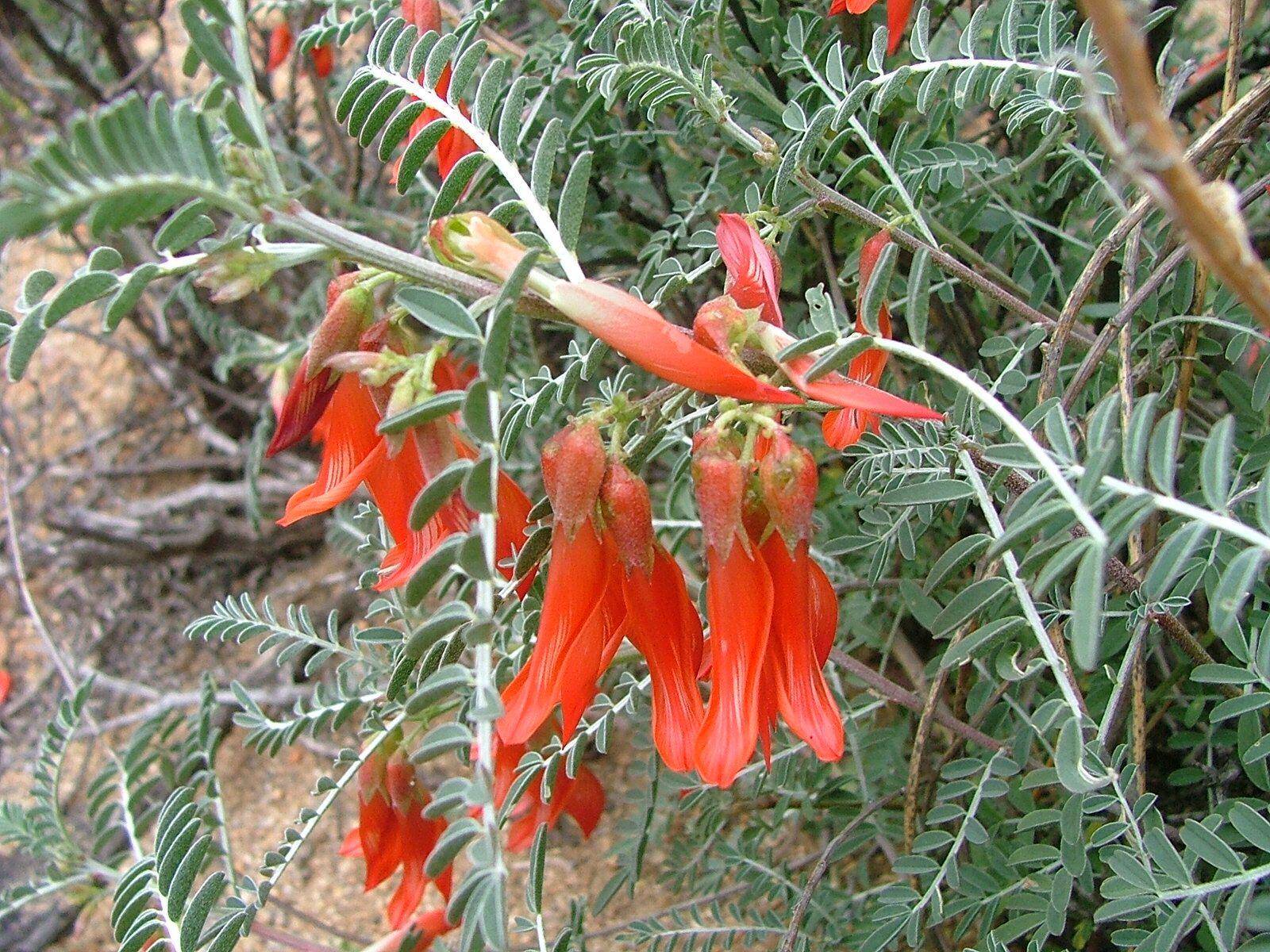
Sutherlandia frutescens — Insiswa
Recorded by MacOwan (p.142) as “for the weak and grieving,” reflecting long-standing Xhosa use for appetite, mood, and convalescence. Modern studies confirm immunomodulating and adaptogenic properties — aligning with practices already in place generations before European documentation.
Lippia javanica — Umsuzwane
Noted by MacOwan as a fever remedy, but long used in Zulu and Xhosa contexts for colds, fevers, and general household medicine. Today its tea is still widespread — not because colonial texts preserved it, but because families never stopped brewing it.
Alepidea amatymbica — iQwili
A documented Khoesan and Nguni medicinal root used for stomach complaints and respiratory issues. Its continued presence in modern imbiza tonics shows the endurance of indigenous pharmacology through a century of attempts at suppression.
Insiswa Healing Stew — A Modern Tribute
Any modern recipe is just a gesture — not a reconstruction. But gesture or not, it honors the plant and the people who understood it long before botanists took notes.
Serves 4 | 45 minutes
- 500g beef or mushrooms (vegan)
- 2 cups pumpkin or sweet potato, cubed
- 1 onion, chopped
- 2 tomatoes, grated
- Handful fresh Sutherlandia leaves (or rooibos for milder bitter)
- 1 tsp ginger/garlic paste
- Spices: coriander, cumin, turmeric
- Stock to cover
- Brown meat/mushrooms and onions with ginger-garlic.
- Add tomatoes and spices; simmer 10 minutes.
- Add pumpkin and Sutherlandia leaves.
- Cover with stock; cook 30 minutes until tender.
- Serve with pap or rice.
Africa’s pharmacy never waited for a pen to exist.
The healers carried it, practiced it, protected it — through war, law, and erasure.
The notebook was only a witness.
Colonial Law & African Healing, 1850–1900
The 19th century did not simply “overlook” African medicine — it legislated against it. Indigenous healing systems existed under political pressure, legal surveillance, and cultural hostility. This context shaped every interaction between healers and European botanists.
1. “Witchcraft Suppression” Policies
From the mid-1800s, colonial governments across southern Africa enforced laws targeting African spiritual and medical specialists. These laws did not distinguish between diviners, herbalists, and harmful practitioners. They criminalized:
- consulting traditional healers
- possessing certain medicines
- diagnostic divination rituals
The term “witchdoctor,” used widely in government and missionary correspondence, was a deliberate tool of delegitimization — collapsing medicine, spirituality, and criminality into one insult.
2. Regulation of Indigenous Knowledge
European surgeons and pharmacists attempted to replace indigenous medical systems through licensing laws and missionary clinics. This did not eliminate African healing, but it pushed it into semi-illegal or socially stigmatized spaces.
In this climate, healers sometimes shared plant knowledge cautiously or selectively. “Freely shared” rarely meant “shared under equal power.”
3. Land Dispossession and Access to Plants
The creation of reserves, settler farms, and fenced grazing blocks restricted access to medicinal plants. Herbalists often needed permission to enter land they had once moved through freely — a direct barrier to practice and survival.
4. Missionary Pressure & Cultural Erasure
Mission stations and Christian schools discouraged or punished engagement with indigenous healers. Young people were taught to reject the practices of their families. This was not mere “cultural change” — it was a coordinated attempt to break medical lineages.
5. Yet the Knowledge Survived
Despite legal hostility and social stigma, African medical systems endured through:
- clandestine apprenticeship
- oral transmission within families
- night-time harvesting and secret teaching
- strategic adaptation under observation
So when MacOwan wrote plant names in 1888, he was not “saving” a fading world.
He was catching a fragment of a living, contested, resilient knowledge system that refused disappearance.
As the elders say: The river does not owe its existence to the man who draws it on a map.


