


Culinary Connection Between Gumbo and Equsi Stew
West African Egusi Stew and Southern American Gumbo Recipe Comparison.
Cuisines of West Africa and the Southern United States are known for their rich culinary traditions, where dishes are infused with a blend of spices, vibrant ingredients, and cultural influences.
We will explore two iconic recipes from each region, Egusi stew from West Africa and Gumbo from the Southern United States, highlighting their unique ingredients and preparation methods. Join us as we uncover the similarities and distinctiveness of these delectable dishes.
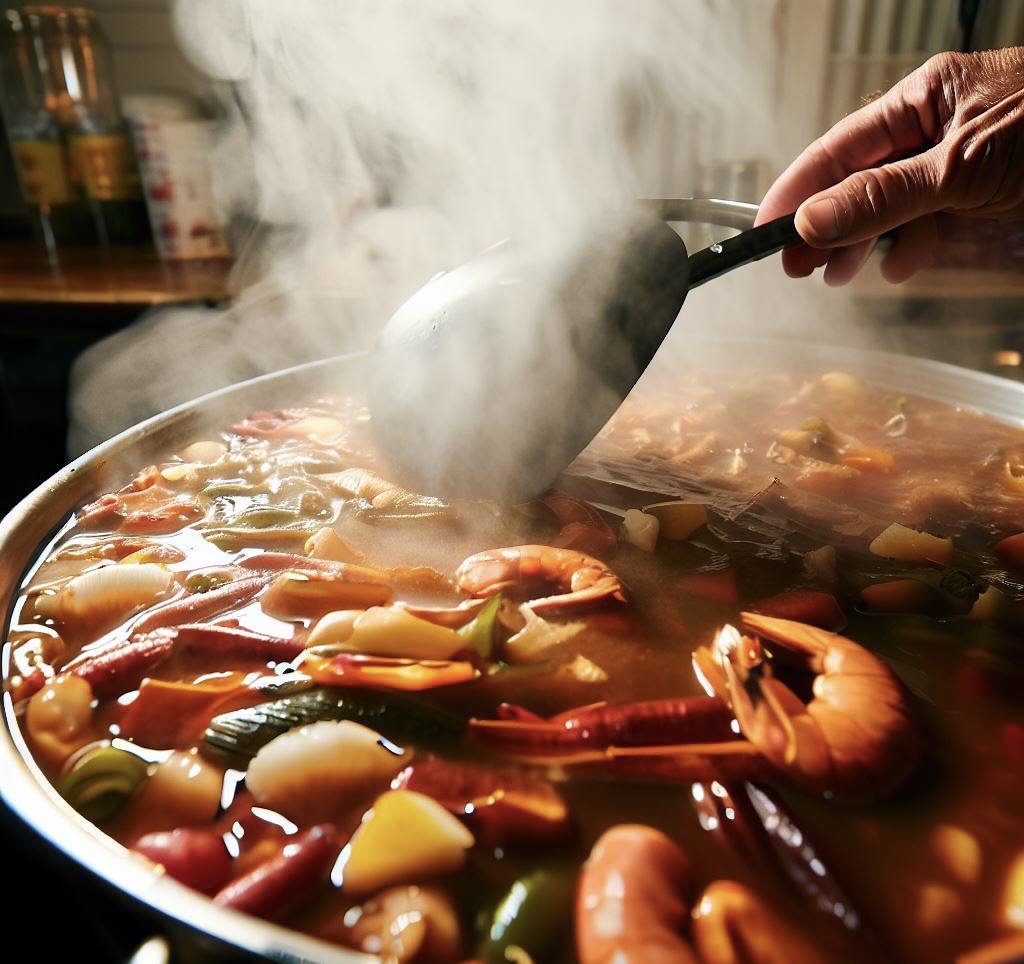
Introduction to Egusi stew.
Egusi stew is a beloved West African dish that holds a special place in the culinary landscape of Nigeria and Ghana. This flavorful stew uses ground melon seeds, known as egusi, which impart a nutty taste and a creamy consistency to the dish.
Egusi stew tantalizes the taste buds with its rich flavors and enticing aroma, prepared with a variety of meats such as beef, chicken, or fish and accompanied by vegetables like spinach or bitter leaf.
The ground crayfish and palm oil enhance their unique profile, creating a comforting and satisfying meal. Traditionally served with pounded yam, fufu, or rice, Egusi stew is a cultural staple that brings families and communities together.
Introduction to Gumbo.
Originating from the Southern United States, particularly Louisiana, and Mississippi, Gumbo is a renowned dish that captures the essence of the region's diverse culinary heritage. This hearty stew or stew reflects the blending of African, Native American, and European influences in Southern cuisine.
Gumbo showcases a harmonious medley of ingredients, including meats such as smoked sausage and chicken or seafood like shrimp or crawfish. The flavors deepen with the addition of the Holy Trinity of vegetables – onion, bell pepper, and celery – and a roux made from flour and oil.
The aromatic spices, such as thyme, paprika, and cayenne pepper, infuse the dish with a rich and flavorful character. Served over a bed of rice, Gumbo has become synonymous with Southern comfort food, warming the soul and satisfying the palate.

Comparisons between Egusi stew and Gumbo.
Although originating from different continents, Egusi stew and Gumbo share commonalities demonstrating culinary traditions' interconnectedness. Both dishes are one-pot creations, showcasing a harmony of flavors and textures.
The use of rice as a staple accompaniment highlights the importance of this grain in both cuisines. Additionally, including various meats and vegetables showcases a dedication to wholesome ingredients and balanced nutrition.
Both dishes celebrate the art of slow cooking, allowing flavors to meld and intensify over time. Whether it's the nutty richness of Egusi stew or the complex layers of spices found in Gumbo, these dishes exemplify their respective cultures' creativity and culinary ingenuity.
Egusi stew showcases the culinary artistry of West African cuisine with its ground melon seeds, vibrant vegetables, and aromatic spices. On the other hand, Gumbo represents the fusion of cultures in the Southern United States, combining meats, vegetables, and a flavorful roux to create a comforting and soul-warming dish.
These recipes exemplify how culinary traditions transcend borders, connecting people through the shared joy of food. So, grab your apron, prepare your ingredients, and let your taste buds embark on this culinary journey that celebrates the intersection of cultures and the pleasures of delicious cuisine.
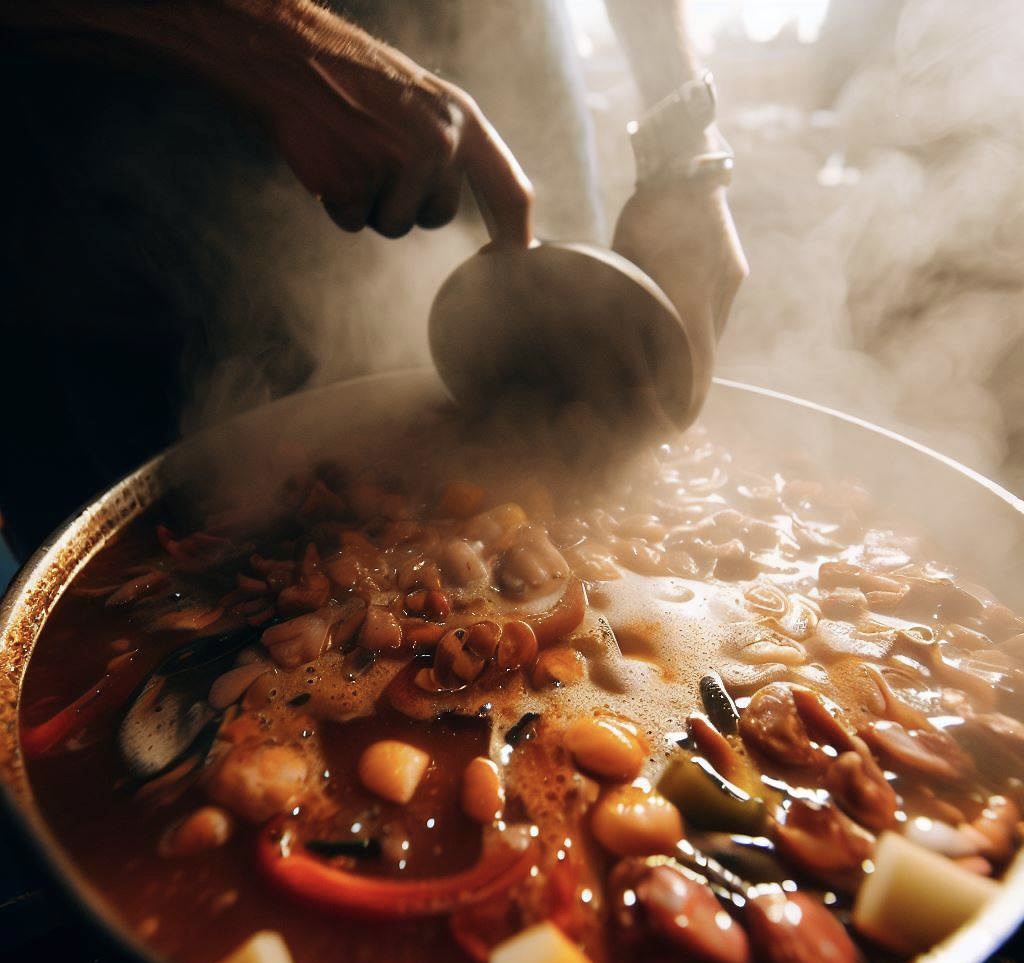
Ingredients for Egusi stew.
1 cup ground egusi (melon seeds)
3 pounds of assorted meats (beef, chicken, or fish)
2 cups chopped spinach or bitter leaf
1 medium-sized onion, chopped
2-3 tablespoons palm oil
2-3 tablespoons ground crayfish
2-3 tablespoons ground pepper (such as habanero or scotch bonnet)
2-3 stock cubes (optional)
Salt to taste
Water for cooking
Directions for Egusi stew.
In a pot, cook the assorted meats with some water until tender. Season with salt and any other desired spices. Once cooked, set the hearts aside, but reserve the stock. Mix the ground egusi with a bit of water in a separate bowl to form a paste.
Heat the palm oil in a large pot over medium heat. Add the chopped onions and sauté until translucent. Add the egusi paste to the pot and stir continuously for a few minutes until it starts to thicken and release its oil.
Gradually pour the meat stock, stirring to incorporate it with the egusi paste. Adjust the consistency by adding more water if needed.
Add the assorted meats, ground crayfish, and ground pepper to the pot. Stir well and let the stew simmer for 10-15 minutes to allow the flavors to meld together.
Finally, stir the chopped spinach or bitter leaf into the stew. Allow it to cook for a few more minutes until the vegetables wilt.
Taste the stew and adjust the seasoning with stock cubes and salt if necessary. Serve the Egusi stew hot with pounded yam, fufu, or rice for a complete and satisfying meal.
Egusi stew is a beloved West African dish with ground melon seeds as its star ingredient. This hearty and flavorful stew combines a rich blend of meats, vegetables, and aromatic spices.
With its thick and creamy texture, it is best enjoyed with a side of pounded yam or rice. Following the recipe above, you can create a delicious and authentic Egusi stew that will delight your taste buds.

Ingredients for Gumbo.
1/2 cup vegetable oil
1/2 cup all-purpose flour
1 onion, chopped
1 green bell pepper, chopped
2 celery stalks, chopped
3 cloves garlic, minced
1 pound smoked sausage, sliced
1 pound chicken thighs or shrimp (or a combination), peeled and deveined
4 cups chicken or seafood stock
1 can diced tomatoes (14 ounces)
2 bay leaves
1 teaspoon dried thyme
1 teaspoon paprika
1/2 teaspoon cayenne pepper (adjust to taste)
Salt and pepper to taste
Cooked rice for serving
Gumbo Directions.
Heat the vegetable oil over medium heat in a large pot or Dutch oven. Add the flour and stir constantly to make a roux. Cook the roux, stirring frequently, until it turns dark brown, similar to the chocolate's color.
Add the chopped onion, bell pepper, celery, and minced garlic to the pot. Cook and stir for about 5 minutes until the vegetables become tender.
Add the sliced smoked sausage to the pot and cook for a few minutes until it browns.
If using chicken, add the chicken thighs to the pot and cook until they are browned on all sides. If using shrimp, set it aside for now.
Gradually pour the chicken or seafood stock, stirring well to incorporate it with the roux and vegetables.
Add the diced tomatoes, bay leaves, dried thyme, paprika, cayenne pepper, salt, and pepper to the pot. Stir to combine all the ingredients.
If using shrimp, add it to the pot now. Let the Gumbo simmer on low heat for about 1 hour, stirring occasionally. Taste and adjust the seasoning as needed. Serve the Gumbo hot over a bed of cooked rice.
Gumbo is a beloved Southern American dish that combines a variety of meats, vegetables, and spices in a thick and flavorful stew or stew. The recipe above showcases the essence of this iconic dish, where a dark roux serves as the base for a medley of ingredients like sausage, chicken, shrimp, and aromatic vegetables and spices. Serve this hearty Gumbo over a bed of rice for a soul-warming meal that captures the essence of Southern cuisine.
A recipe comparison between West African and American cuisines can be made between Egusi stew and Gumbo.
Egusi stew is a traditional West African dish popular in Nigeria and Ghana. It is made using ground melon seeds (egusi), which give the stew a thick and rich consistency. The stew is typically prepared with various vegetables such as spinach, bitter leaf, or pumpkin leaves and can include meats like beef, chicken, or fish.
It is seasoned with spices and sometimes enriched with palm oil for flavor. Egusi stew is known for its nutty taste and is often served with pounded yam, fufu, or rice.
On the other hand, Gumbo is a staple dish in the cuisine of the Southern United States, particularly in the states of Louisiana and Mississippi. It is a thick stew or stew that typically includes a combination of vegetables such as bell peppers, onions, and celery, along with meats like chicken, sausage, or seafood (such as shrimp or crawfish).
Gumbo is seasoned with spices like thyme, bay leaves, and cayenne pepper and often includes a roux made from flour and fat to thicken the stew. It is traditionally served over rice.
Both Egusi stew and Gumbo are hearty and flavorful stews/stews that incorporate a variety of ingredients. They both have a thick and rich texture and are often enjoyed with rice.
While Egusi stew features ground melon seeds as a unique ingredient, Gumbo utilizes a roux for its distinct flavor and thickening agent. These dishes exemplify how West African and American cuisines create delicious and comforting stews highlighting regional ingredients and culinary techniques.
Leave a comment on your two favorite foods from two different continents.


