🌿 Share this page

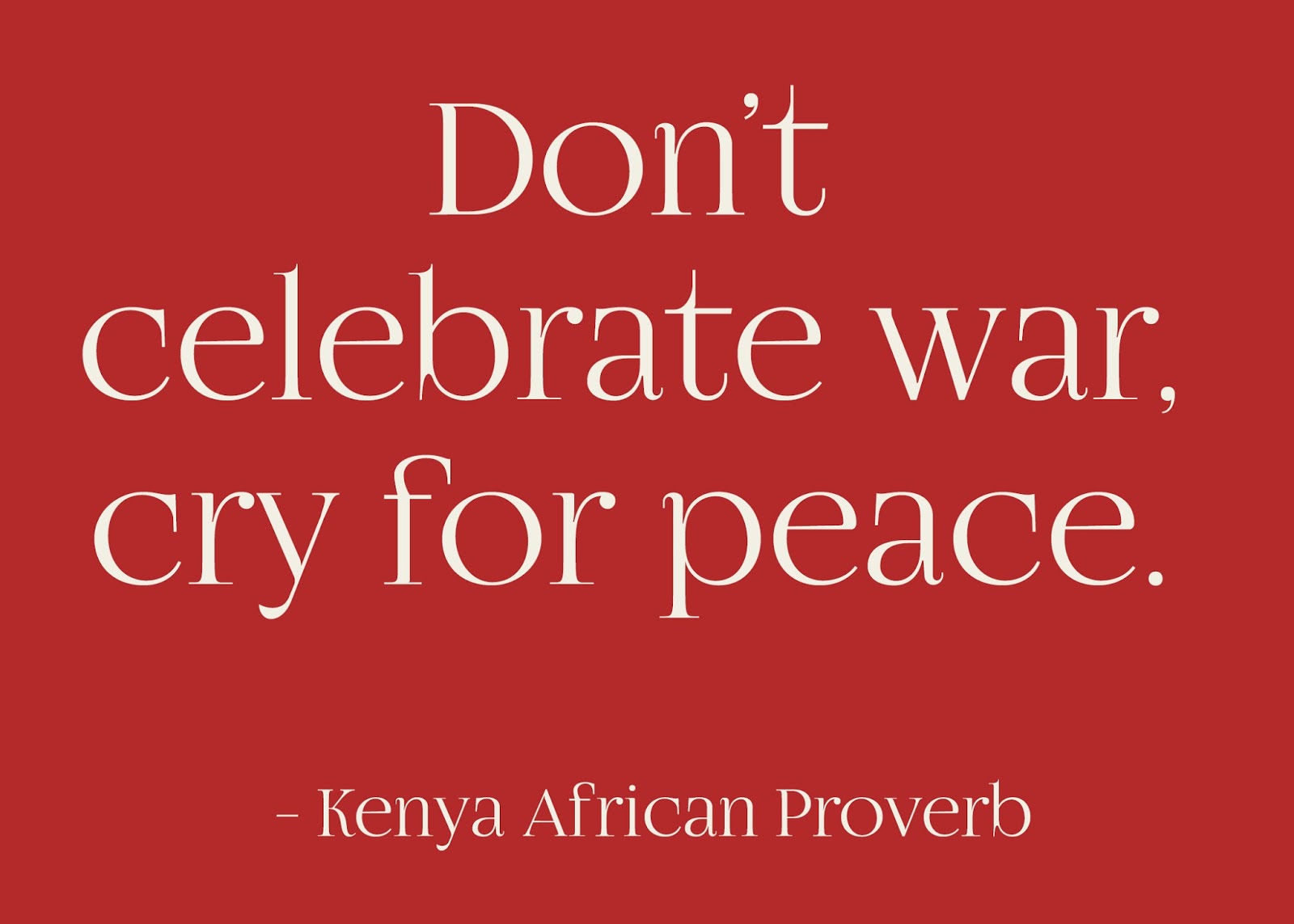
One bowl of fufu can explain a war. One proverb can outsmart a drought.

Welcome to the real Africa— told through food, memory, and truth.

Start Exploring Here

🔵 African Recipes & Cuisine

Dive into flavors from Jollof to fufu—recipes, science, and stories that feed body and soul.

Explore Recipes →

🔵 African Proverbs & Wisdom

Timeless sayings on love, resilience, and leadership—ancient guides for modern life.

Discover Wisdom →

🔵 African Folktales & Storytelling

Oral legends and tales that whisper ancestral secrets and spark imagination.

Read Stories →

🔵African Plants & Healing

From baobab to kola nuts—sacred flora for medicine, memory, and sustenance.

Discover Plants →

🔵 African Animals in Culture

Big Five to folklore beasts—wildlife as symbols, food, and spiritual kin.

Meet Wildlife →

🔵 African History & Heritage

Journey through Africa's rich historical tapestry, from ancient civilizations to modern nations.

Explore History →
Photo of Ivy, author of The African Gourmet

About the Author

A Legacy Resource, Recognized Worldwide

For 19 years, The African Gourmet has preserved Africa's stories is currently selected for expert consideration by the Library of Congress Web Archives, the world's premier guardian of cultural heritage.

Trusted by: WikipediaEmory University African StudiesUniversity of KansasUniversity of KwaZulu-NatalMDPI Scholarly Journals.
Explore our archived collections → DOI: 10.5281/zenodo.17329200

View citations →

Recipes as Revolution

When food becomes protest and meals carry political meaning

Go On Safari Flying Over Victoria Falls

Take a Flying Safari Over Zimbabwe’s Victoria Falls.

A flying safari, also known as an aerial safari or a fly-in safari, is a unique type of safari experience that involves traveling by small aircraft to explore remote and inaccessible areas of wildlife reserves, national parks, or conservation areas.

Unlike traditional safaris that rely on ground transportation such as jeeps or walking safaris, a flying safari allows visitors to cover larger distances quickly and efficiently, offering a bird's-eye view of the landscape and wildlife.

Flying safari over Victoria falls

Typically, a flying safari involves traveling in small aircraft such as bush planes, helicopters, or light aircraft. These aircraft are designed to land on remote and unpaved airstrips, providing access to areas that are difficult to reach by road.

One of the main advantages of a flying safari is the breathtaking aerial perspective it offers. As you fly over the landscapes, you can enjoy panoramic views of vast savannahs, dense forests, winding rivers, and other natural wonders. This perspective allows you to appreciate the scale and beauty of the wilderness from above.

Flying safaris allow you to access remote and isolated regions that are not easily reachable by other means of transportation. This opens up opportunities to explore less-visited areas, encounter wildlife in pristine habitats, and experience the true wilderness.

Mpala Jena Translates to the White Impala is a popular luxury Flying Safari offered by Great Plains Conservation.

As an add-on package for $1730 USD per person At Mpala Jena Camp in Zambezi National Park in Botswana you can enjoy a tailor-made flying safari. Mpala Jena is situated in the Victoria Falls region with just 3 tented suites and a sprawling 2 private villas with 2 rooms each.

Flying over Victoria Falls allows you to witness the entire expanse of the waterfall in all its glory. From the air, you can appreciate the grandeur and scale of the falls, including its impressive width and the massive volume of water cascading down.

Flying safari over Victoria falls

The panoramic views offer a comprehensive and awe-inspiring sight that may not be fully captured from the ground. Flying safaris provide exceptional photography opportunities, allowing you to capture stunning images of Victoria Falls from a perspective that is not commonly seen.

The aerial vantage point offers a chance to capture the falls in their entirety, along with the surrounding landscapes, the Zambezi River, and any rainbows or mist created by the falls. Unlike viewing the falls from the ground, where trees, paths, or crowds may obstruct certain angles or viewpoints, flying safaris over Victoria Falls provides unobstructed and unrestricted views.

This ensures that you have clear visibility of the falls from various angles, providing a more immersive and uninterrupted experience. Flying over Victoria Falls allows you to witness the natural beauty of the surrounding area from a bird's-eye perspective.

You can see the Zambezi River winding its way through the gorges, the lush vegetation, and the impressive geological features that make up the landscape. This unique viewpoint offers a better understanding of the topography and the geological processes that have shaped the area.

Great Plains Conservation is a conservation-focused organization and a leading provider of luxury safari experiences in Africa. The company was founded by Dereck and Beverly Joubert, prominent wildlife filmmakers and conservationists, with the aim of promoting conservation, sustainability, and responsible tourism.

The company focuses on creating sustainable conservation models by combining wildlife conservation, community development, and low-impact tourism. Their efforts include rehabilitating and restoring ecosystems, protecting endangered species, working with local communities, and promoting education and awareness about conservation issues.

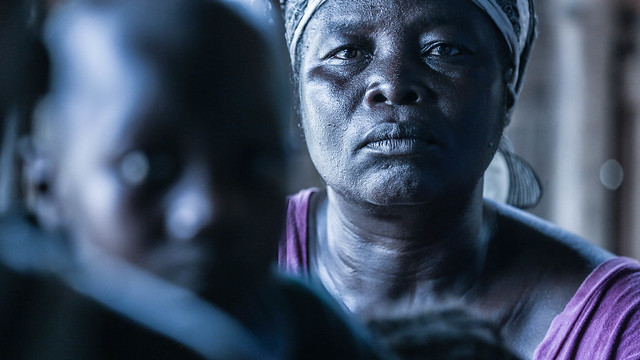
African woman farmer

She Feeds Africa

Before sunrise, after sunset, seven days a week — she grows the food that keeps the continent alive.

60–80 % of Africa’s calories come from her hands.
Yet the land, the credit, and the recognition still belong to someone else.

Read her story →

To every mother of millet and miracles —
thank you.

Africa Worldwide: Top Reads

Read More

African Ancestors and Atlantic Hurricanes: Myth Meets Meteorology

Survival of the Fattest, obese Europeans starving Africa

Top 20 Largest Countries in Africa by Land Area (2025 Update)

African Proverbs for Men About the Wrong Woman in Their Life

Charging Cell Phones in Rural Africa

Ugali vs Fufu — What’s the Difference Between Africa’s Beloved Staples?

Beware of the naked man who offers you clothes African Proverb

African Olympic Power: Top 10 Countries with the Most Gold Medals | The African Gourmet

Perfect South African Apricot Beef Curry Recipe

Usage of Amen and Ashe or Ase and Meaning

Week’s Best African Culture Posts

Kei Apple Recipes: Traditional African Fruit Cooking & Folk Science

African Wrestling Traditions: Dambe, Evala & Senegalese Laamb Explained

Korean vs African Cuisine: Fermentation, Fire & Flavor Bridges - The African Gourmet

Before You Buy Land in Africa: 8 Critical Pitfalls Every Diaspora Member Must Avoid

Kei Apple (Dovyalis caffra): Origins, Uses, Nutrition & Recipes

Ugali vs Fufu — What’s the Difference Between Africa’s Beloved Staples?

African Gourmet FAQ

Archive Inquiries

Why "The African Gourmet" if you're an archive?

The name reflects our origin in 2006 as a culinary anthropology project. Over 18 years, we've evolved into a comprehensive digital archive preserving Africa's cultural narratives. "Gourmet" now signifies our curated approach to cultural preservation—each entry carefully selected and contextualized.

What distinguishes this archive from other cultural resources?

We maintain 18 years of continuous cultural documentation—a living timeline of African expression. Unlike static repositories, our archive connects historical traditions with contemporary developments, showing cultural evolution in real time.

How is content selected for the archive?

Our curation follows archival principles: significance, context, and enduring value. We preserve both foundational cultural elements and timely analyses, ensuring future generations understand Africa's complex cultural landscape.

What geographic scope does the archive cover?

The archive spans all 54 African nations, with particular attention to preserving underrepresented cultural narratives. Our mission is comprehensive cultural preservation across the entire continent.

Can researchers access the full archive?

Yes. As a digital archive, we're committed to accessibility. Our 18-year collection is fully searchable and organized for both public education and academic research.

How does this archive ensure cultural preservation?

Through consistent documentation since 2006, we've created an irreplaceable cultural record. Each entry is contextualized within broader African cultural frameworks, preserving not just content but meaning.