


Cooking with Banana Leaves: An African Culinary Adventure in Your Air Fryer
Cooking with Banana Leaves: An African Culinary Adventure in Your Air Fryer
Imagine wrapping your favorite proteins in fragrant, earthy leaves that infuse every bite with a subtle, tropical aroma—straight from the heart of African kitchens, but reimagined for your modern countertop.
Across Africa, from the bustling markets of Uganda to the vibrant shores of West Africa, banana leaves have been a staple for centuries, used to steam, wrap, and flavor dishes like tender stews and spiced meats.
If you're new to this technique and wondering, "Where do I even buy banana leaves?"—don't worry. This guide is for you: beginners exploring African flavors, with easy air fryer adaptations that make authentic taste effortless and cleanup a breeze. No outdoor fire pit required!
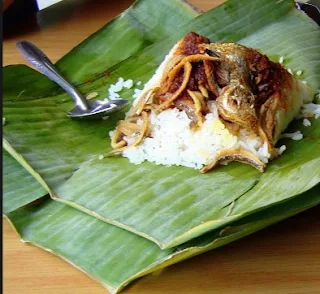
What Are Banana Leaves and Why Use Them?
Banana leaves aren't just eco-friendly wrappers; they're flavor powerhouses. In African cuisine, they're prized for their natural oils that impart a mild, grassy scent while locking in moisture—perfect for steaming delicate fish or hearty stews.
Think of them as parchment paper's aromatic cousin. They're inexpensive, sustainable, and add that "wow" factor to meals. Plus, in an air fryer, they prevent sticking and distribute heat evenly for crispy-yet-tender results.
Where to Buy Banana Leaves: A Beginner's Guide
Finding banana leaves can feel intimidating if you're not near a tropical grove, but they're more accessible than you think. Start with these options—no passport needed:
- Online Retailers: Amazon offers fresh packs (about 2 lbs for under $10) or frozen bundles that thaw quickly. Search for "fresh banana leaves" and opt for vacuum-sealed ones to keep them pliable.
- Grocery Stores: Check the frozen produce aisle at Asian or Latin markets like Ranch 99 or Lion Grocery—frozen leaves are budget-friendly and last months in your Chains like Safeway or El Super often stock them fresh or frozen for same-day pickup.
- Delivery Services: Use Instacart for doorstep delivery from local stores—search "banana leaves" and filter by fresh or frozen.
- If fresh is scarce, frozen works just as well—thaw under warm water and pat dry. Aim for large, unblemished leaves about 2 feet long.
Preparing Banana Leaves: Quick and Simple
- Wash thoroughly under cool water to remove any dirt.
- Soften by passing over a gas flame or dipping in boiling water for 10-20 seconds—this makes them flexible for wrapping.
- Trim tough edges with scissors and cut to size (about 12x12 inches for most recipes).
- For air fryer use: Lightly oil the leaf to prevent tearing, and ensure it doesn't touch the heating coil.
Easy Air Fryer Recipes: African-Inspired Twists
These recipes draw from traditions like Uganda's luwombo (steamed bundles) and West African peanut stews, adapted for your air fryer. Each serves 2-4 and takes under 45 minutes.
Air Fryer Luwombo-Style Chicken (Ugandan Steamed Delight)
Traditionally steamed over coals, this wraps spiced chicken in banana leaves for juicy, aromatic bites.
- Ingredients: 1 lb chicken thighs (boneless), 1 onion (sliced), 2 tomatoes (chopped), 1 bell pepper (sliced), 2 garlic cloves (minced), 1 tsp each salt, curry powder, and thyme. 4 banana leaves.
- Steps:
- Mix chicken with veggies and spices; divide into 4 portions.
- Place each on a banana leaf, fold into tight packets, and secure with kitchen twine.
- Preheat air fryer to 350°F; air fry packets for 25-30 minutes, flipping halfway. Let rest 5 minutes before unwrapping.
- Serve: With rice or ugali. Earthy leaf aroma shines through!
Spicy Peanut Goat Wraps (West African Fusion)
A nod to central African goat in peanut sauce, air-fried for crisp edges.
- Ingredients: 1 lb goat meat (or lamb, cubed), ½ cup peanut butter, 1 onion (diced), 2 garlic cloves, 1 scotch bonnet pepper (chopped), 1 tsp ginger, salt to taste. 4 banana leaves.
- Steps:
- Blend peanut butter with onion, garlic, pepper, ginger, and ½ cup water into a sauce; marinate meat for 15 minutes.
- Spoon marinated meat onto leaves, wrap securely.
- Air fry at 370°F for 20-25 minutes, shaking basket midway.
- Serve: Over fufu or couscous. The peanut sauce caramelizes beautifully.
Banana Leaf-Wrapped Tilapia (East African Fish Feast)
Simple grilled fish inspired by coastal traditions, with an air fryer glow-up.
- Ingredients: 2 tilapia fillets, 1 lemon (juiced), 2 tbsp olive oil, 1 tsp paprika, salt, fresh herbs (cilantro or parsley). 2 large banana leaves.
- Steps:
- Rub fish with oil, lemon, spices, and herbs.
- Place on oiled leaves, fold, and toothpick shut.
- Air fry at 400°F for 12-15 minutes until flaky.
- Serve: With plantains or salad. Flaky and infused with leaf essence.

Tips for Air Fryer Success with Banana Leaves
- Preheat your air fryer to ensure even cooking—banana leaves conduct heat well but can crisp.
- Avoid overcrowding; cook in batches for that signature steam effect.
- If leaves char slightly, it's normal and adds smoky flavor—just monitor to prevent burning.
- Storage: Freeze extras flat in ziplocks for up to 6 months.
- Substitute: Parchment works in a pinch, but won't match the aroma.
Wrap It Up: Bring Africa to Your Kitchen
Cooking with banana leaves isn't just about food—it's a gateway to Africa's rich culinary heritage, made simple with your air fryer. Grab a pack from Amazon or your local market, experiment with these recipes, and savor the fusion of tradition and convenience. What's your first wrap? Share in the comments below. Happy cooking!


