
🌿 Share this page

The African Gourmet

The African Gourmet: Explore African Culture & Recipes

One bowl of fufu can explain a war. One proverb can outsmart a drought.
Welcome to the real Africa—told through food, memory, and truth.

Christmas & New Year in Africa

FOOD PROVERBS

Delicious everyday Eesh Baladi Egyptian bread recipe will look like pita bread when done baking. Egyptian bread is served for breakfast, lunch and dinner. Serve this simple Egyptian bread recipe with honey.


Simple Eesh Baladi Egyptian Bread Recipe

Simple Eesh Baladi Egyptian Bread Recipe Directions

Simple Eesh Baladi Egyptian bread recipe step by step directions


Love bread


Throughout Africa, where there is no mechanical dough mixer available, in most families the entire bread baking process is completed by hand. Baked goods in Africa are an ideal convenience food and street food because they are not expensive, they store well and can be hand held for on the go eating.

The term baking is usually applied to flour-based foods, for example wheat, oats, maize and sorghum. These grains and flours have a relatively long shelf life. Baking is affected by several external factors, temperature and humidity are two of the most important variables that need to be controlled.

These two factors vary throughout the day and change with dry and rainy seasons. Two homes sited close to each other may have different temperatures and humidity inside, which affects the breadmaking process.

Baked goods are produced from either doughs or batters which are a mixture of flour and water made by mixing, beating, kneading or folding. The processing method depend on the ingredients being used and the product being made.

Bread is either leavened or unleavened. Leavened bread is made from a mixture of flour, yeast, salt and water. Unleavened bread does not contain yeast and therefore does not rise. It is a flat bread that is quicker to make than yeast-bread.

White and Wheat Bread


More economical easy lunch and dinner recipes to make right now so you never have to eat or prepare a boring meal again.

  1. Curried Tanzanian Coconut Okra Recipe
  2. Yedoro Stir Fried Ethiopian Chicken Dinner
  3. Senegalese Chicken Vermicelli
  4. Caldo Verde Portuguese Kale Soup
  5. Air Fryer Black Eyed Pea Dumpling Stew
Chic African Culture and The African Gourmet=

Cite The Source

Copy & Paste Citation

One click copies the full citation to your clipboard.

APA Style: Click button to generate

African Recipes Organized by Meal Time

African Drinks & Beverages

Snacks & Appetizers

Breakfast

Lunch

Dinner

Desserts

Recipes as Revolution

Recipes as Revolution

When food becomes protest and meals carry political meaning

Loading revolutionary recipes...
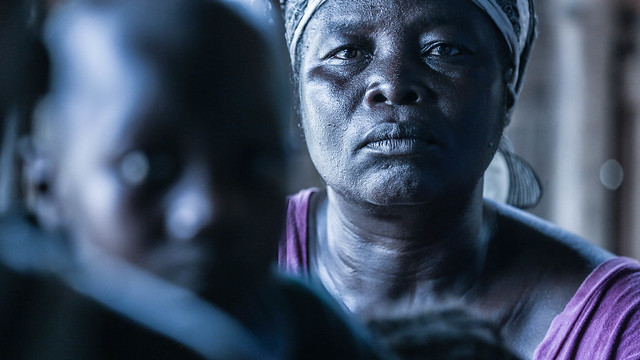
African woman farmer

She Feeds Africa

Before sunrise, after sunset, seven days a week — she grows the food that keeps the continent alive.

60–80 % of Africa’s calories come from her hands.
Yet the land, the credit, and the recognition still belong to someone else.

Read her story →

To every mother of millet and miracles —
thank you.

African Gourmet FAQ

Archive Inquiries

Why "The African Gourmet" if you're an archive?

The name reflects our origin in 2006 as a culinary anthropology project. Over 18 years, we've evolved into a comprehensive digital archive preserving Africa's cultural narratives. "Gourmet" now signifies our curated approach to cultural preservation—each entry carefully selected and contextualized.

What distinguishes this archive from other cultural resources?

We maintain 18 years of continuous cultural documentation—a living timeline of African expression. Unlike static repositories, our archive connects historical traditions with contemporary developments, showing cultural evolution in real time.

How is content selected for the archive?

Our curation follows archival principles: significance, context, and enduring value. We preserve both foundational cultural elements and timely analyses, ensuring future generations understand Africa's complex cultural landscape.

What geographic scope does the archive cover?

The archive spans all 54 African nations, with particular attention to preserving underrepresented cultural narratives. Our mission is comprehensive cultural preservation across the entire continent.

Can researchers access the full archive?

Yes. As a digital archive, we're committed to accessibility. Our 18-year collection is fully searchable and organized for both public education and academic research.

How does this archive ensure cultural preservation?

Through consistent documentation since 2006, we've created an irreplaceable cultural record. Each entry is contextualized within broader African cultural frameworks, preserving not just content but meaning.