


Ampe: The High-Energy Ghanaian Game of Rhythm, Reflex, and Schoolyard Culture
Ampe: The High-Energy Ghanaian Game of Rhythm, Reflex, and Schoolyard Culture
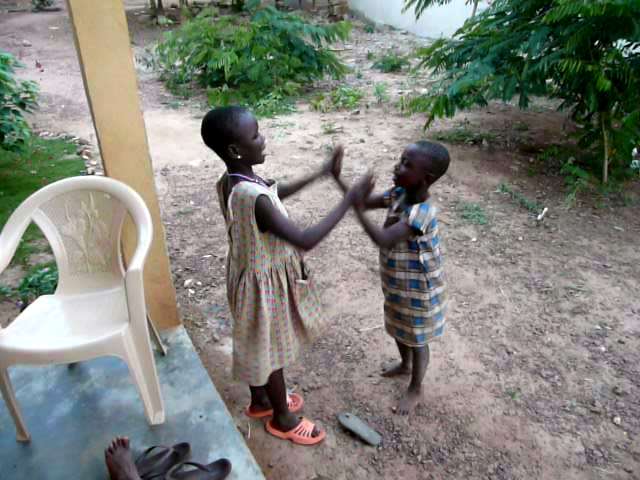
Ampe is one of West Africa’s most enduring schoolyard games—an explosive blend of jumping, rhythm, and instantaneous judgment. Played mostly by girls but open to anyone who dares to join, Ampe unfolds in dusty courtyards, sun-baked school compounds, and neighborhood lanes from Accra to Ho. It is loud, fast, communal, and deeply cultural. If American readers imagine a fusion of patty-cake, double-dutch energy, and split-second footwork, they will be close—but still not quite touching the intensity of Ampe.
What “Ampe” Means
The name comes from the sudden, sharp sound the game produces. Linguists working in Akan-speaking regions describe “Ampe” as onomatopoetic—a word that echoes the jump-land moment when two players hit the ground at the same time. In some Akan dialect contexts, ampe also links to forms meaning “to jump” or “to spring forward.”
Ethnographers note the sound of the jump, the clap, and the exclamation all merge into one recognizable beat: am-PE!
Chants and Calls in the Game
Documented Ampe chants include:
- “Ampe! Ampe! Ampe!” – rhythmic starter.
- “Kɔ! Bra! Kɔ! Bra!” – Go! Come! Go! Come!
- “We dey play, we dey win!” – common in urban English-speaking schools.
- “Shi go! Shi go!” – shouted during the jump (phonetic, not violent).
- “Ma me so! Ma me so!” – Give me the turn!
Ewe-speaking areas (Togo/Ghana):
- “Ape! Ape!” – synchronized with jumps.
- “Miawoe, miawoe!” – We are ready!
“Shoot Your Player” — Competitive Language
Children use metaphoric battle language—“shoot your player,” “shoot your man,” “cut her off.” In West African English, this simply means:
- Eliminate your opponent
- Win the round
- Take the point
It mirrors American playground phrases like “You’re out!” or “I got you!”
How the Game Works
- Two players face each other.
- They clap once or twice, then jump.
- They land and extend one leg forward or backward.
- The leg positions determine the round’s winner.
- The winner advances to the next player in line.
This constant rotation creates a champion, but the champion rarely lasts long—they jump round after round until exhaustion sends them back to the line.
Regional Variations
Ghana
- Akan areas: Ampe
- Ga-Adangbe: more chant-heavy
- Northern Ghana: similar jumping games, different names
Togo & Benin
- Ampee, Ape, Ope
- Often chant-based; sometimes call-and-response
Nigeria
- Jump-based elimination games
Sierra Leone & Liberia
- Jump-and-call games with competitive rotation
Also explore: Skipping and Double Dutch: Global Games · African Spirit Sudoku
The Sensory World of Ampe
The Sound
The sharp am-PE!; girls shouting “Shi go! Shi go!”; clapping; laughter and cheers.
The Smell
Dust from laterite ground; sun-warmed uniforms; sweat; frying plantains drifting in from street vendors.
The Taste (After the Game)
- Kelewele – spicy fried plantains
- Roasted plantains with groundnuts
- Pure water sachets
- Sobolo hibiscus drink
- Sachet fruit juices
Online African Clapping Game
Clap along with kids from the schoolyard! Match the rhythm.
Ready? Lyrics: "Ampe, ampe, let's play the game!"
Tap to clap: own hands (twice) → partner’s right hand.
Score: 0
More childhood traditions and cultural memory at African History.


